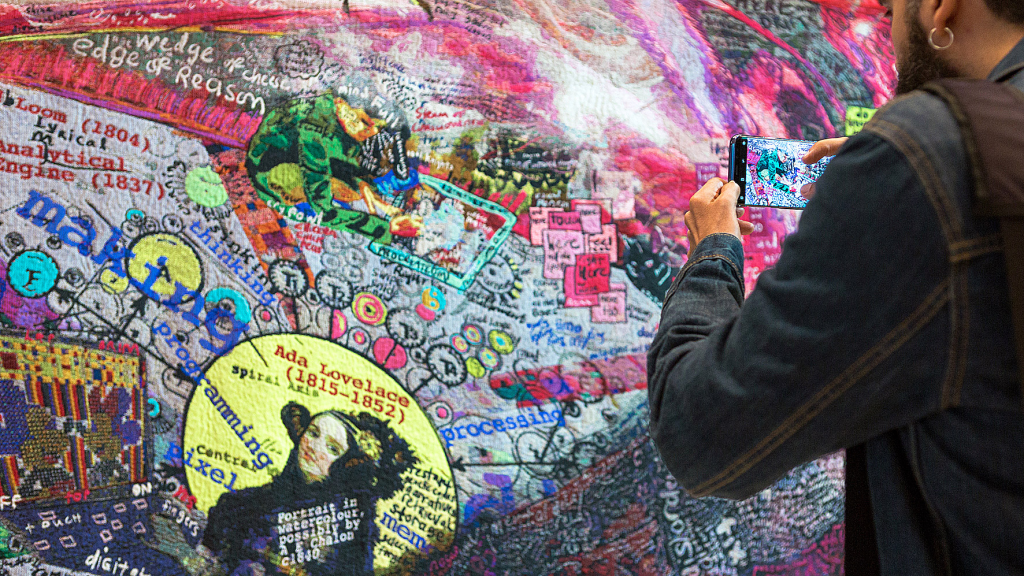
In a world often designed for the “neurotypical,” it’s easy to overlook the unique ways that neurodivergent individuals perceive, interpret, and express the world around them. But the art world is increasingly embracing neurodivergent perspectives, providing new insights into the human experience and reshaping how we think about creativity. The Guggenheim’s recent exploration of this topic, “Making the Invisible Visible: Embracing Neurodivergent Perspectives Through Art,” is a powerful reminder of the importance of inclusivity and diversity in artistic expression.
What Does It Mean to Be Neurodivergent?
Neurodivergence refers to variations in cognitive functioning that diverge from what is considered “typical.” This umbrella term includes individuals with autism, ADHD, dyslexia, and other neurological conditions. While society often focuses on the challenges faced by neurodivergent individuals, there is growing recognition of the strengths and unique perspectives they bring to creative spaces, including art.
Art has long been a vehicle for expressing emotions, ideas, and experiences that words may fail to capture. For neurodivergent artists, this is especially true. Their work can provide glimpses into how they perceive the world—often in ways that are unfamiliar yet deeply moving for neurotypical viewers. By embracing neurodivergent artists, the art world is not only making space for a wider range of voices but also enriching our collective understanding of what it means to be human.
Art as a Window Into Neurodivergent Experience
Art has the ability to transcend boundaries and open our eyes to different ways of seeing the world. For neurodivergent individuals, art can be a critical form of communication. Many neurodivergent artists create works that reflect their unique sensory experiences, attention to detail, and abstract thinking, offering fresh perspectives on how the brain processes information and responds to stimuli.
For instance, the use of intricate patterns, bold colours, or unusual compositions might reveal how a neurodivergent artist interprets a sensory-rich environment. What may seem chaotic to a neurotypical observer could be an intentional representation of how the artist organises and processes information. Neurodivergent art challenges traditional aesthetic norms, pushing boundaries and inviting viewers to see through the eyes of someone whose brain processes the world differently.
The Importance of Representation in the Art World
Historically, neurodivergent voices have been underrepresented in mainstream art institutions, with much of the focus remaining on neurotypical artists. However, this is changing as institutions like the Guggenheim recognise the importance of showcasing diverse perspectives. Exhibitions that highlight neurodivergent artists play a crucial role in broadening our understanding of creativity. They show that neurodivergence isn’t a limitation—it’s an alternate way of thinking and creating that deserves celebration.
By giving neurodivergent artists a platform, the art world helps challenge the stigmas that are often attached to conditions like autism or ADHD. It shifts the conversation from deficits to differences, recognising that neurodivergent individuals have their own strengths and insights that can enhance cultural understanding. This shift is not just about inclusion but about seeing neurodivergent perspectives as an integral part of the human experience.
Making the Invisible Visible
The concept of “making the invisible visible” goes beyond merely showcasing neurodivergent artists. It’s about challenging the conventional notions of what is considered “normal” or “valuable” in art and society. Neurodivergent artists often work outside the boundaries of mainstream styles and techniques, creating pieces that defy easy categorisation. Their art reflects a deeply personal engagement with the world, offering viewers a rare opportunity to experience life from a different cognitive lens.
For neurotypical audiences, engaging with neurodivergent art can spark new ways of thinking about creativity, perception, and the complexities of the human brain. It can also encourage empathy, helping viewers to better understand the lived experiences of those whose brains operate differently from their own. This deeper understanding can foster greater acceptance and appreciation for neurodiversity in all areas of life, not just in the arts.
Art as a Catalyst for Change
Beyond aesthetics, neurodivergent art has the potential to drive broader social change. When institutions like the Guggenheim prioritise neurodivergent voices, they challenge the art world—and society at large—to reconsider who is seen and heard. Art has always been a reflection of culture, and by making space for neurodivergent perspectives, we begin to see a more inclusive and diverse representation of the human condition.
The movement to embrace neurodivergent artists is part of a larger push towards greater inclusivity in the arts. It’s a reminder that creativity is not a one-size-fits-all endeavour and that the best art often comes from those who think outside of the box—or outside of what society deems “typical.” As neurodivergent perspectives become more visible, they help pave the way for a more inclusive future, where diversity in thought, perception, and experience is celebrated rather than sidelined.
Conclusion: Embracing Neurodivergent Perspectives
“Making the Invisible Visible” is about more than just showcasing neurodivergent artists—it’s about shifting our understanding of creativity and embracing the full spectrum of human experience. The art world is evolving, and as it does, it has the opportunity to become a space where neurodivergent perspectives are not only welcomed but celebrated for their uniqueness and depth.
In doing so, we can move closer to a future where the invisible becomes visible, where differences are embraced, and where art truly reflects the diverse ways we experience the world. Through this lens, we come to appreciate the powerful role that neurodivergent artists play in expanding the boundaries of what art—and humanity—can be.
Further Reading:
“making the invisible visible” Exhibition Guggenheim
#Neurodiversity #Art #Artist #Neurodivergent #Arts #Artist #Guggenheim #Neurodivergent #Neurological
References:
Images:
The article titled “Making the Invisible Visible: Embracing Neurodivergent Perspectives through Art” from the Guggenheim Museum explores how artists like Kai Syng Tan and WangShui use their creative practices to express neurodivergent experiences — including ADHD, autism, dyslexia, and dyspraxia.
Tan’s tapestry Magic Carpet (2017) is a vivid, participatory artwork that invites viewers to sit, reflect, and challenge conventional ideas of normality. It blends imagery, poetry, and metaphor to celebrate difference and open dialogue between art and psychiatry. WangShui’s work, meanwhile, uses recursive mark-making and fluid forms to explore the ambiguity and richness of neurodivergent thought.
The article also addresses cultural stigma, particularly within Asian communities, and highlights how art can become a medium for self-acceptance and visibility.
You can read the full piece on the Guggenheim Museum’s website.
Websites:
 Rachel Bakewell