Overcoming Challenges and Gaining Confidence
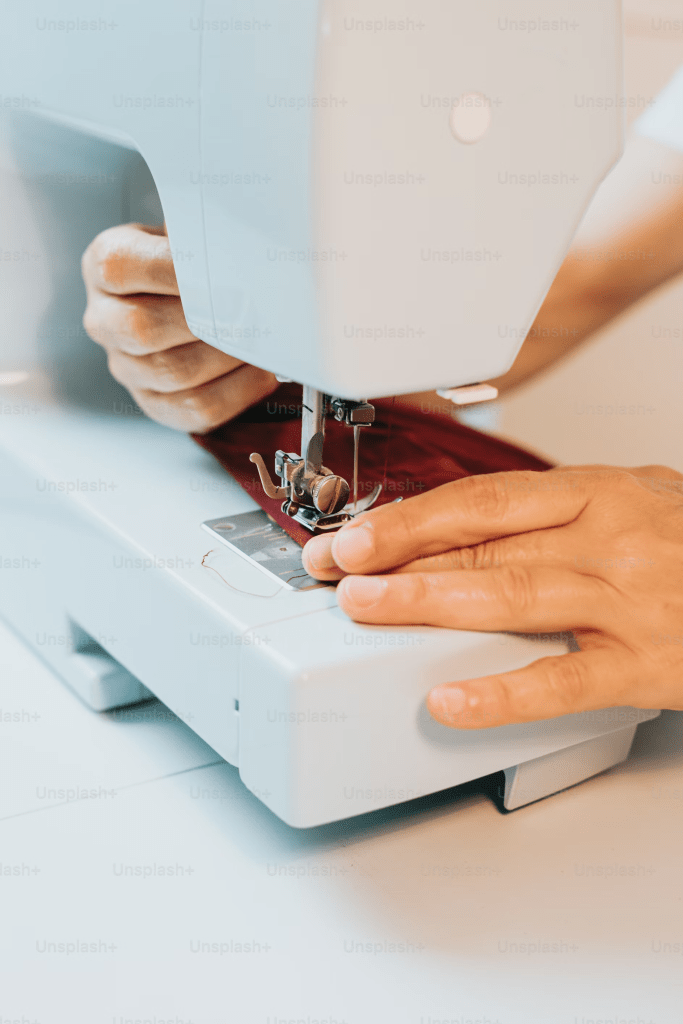
Machine sewing is a rewarding activity that combines creativity and technical skill, but it can also be complex, especially when it comes to following instructions. For individuals with dyslexia, this process of understanding and remembering sewing instructions can be particularly challenging. Dyslexia affects how people process language and remember sequences, and this can make following multiple steps or detail-oriented instructions—which are common when machine sewing—can feel like an uphill battle. However, with tailored strategies and a little patience, it’s possible to overcome these difficulties and enjoy the process of sewing.
The Challenges of Following Sewing Instructions with Dyslexia
Machine sewing often involves both written and visual instructions, from threading the machine and adjusting the stitch settings to following intricate sewing patterns. Here’s a breakdown of some specific challenges of machine sewing for people with dyslexia and what they might face:
- Difficulty Reading Written Instructions: Dyslexia can make it hard to process written text quickly, and sewing instructions are often dense and filled with specific terminology. Missing or misinterpreting even a single detail can lead to mistakes or frustrations during the sewing process.
- Remembering Sequential Steps: Machine sewing requires steps to be completed in a particular order for the project to come together correctly and for someone with dyslexia, remembering a sequence of steps—like attaching a zipper, finishing a seam, or following pattern layouts—can be overwhelming and confusing.
- Visual Processing of Patterns: Sewing patterns are often full of symbols, measurements, and visual cues, which can be difficult to interpret. Individuals with dyslexia may struggle to differentiate similar symbols or follow complex diagrams, especially if the pattern pieces look similar or need to be oriented in a particular way.
- Decoding Sewing Terminology: Specialised vocabulary in sewing—such as “a bias,” “notches,” and “seam allowance”—can add to the complexity of following instructions. Even someone with experience of sewing can struggle with these terms, but they are especially so for those who struggle with reading.
- Managing Anxiety and Self-Doubt: Repeating challenges with instructions can lead to frustration, anxiety, and even self-doubt. There maybe a fear of making mistakes which can discourage individuals with dyslexia from continuing with their sewing projects or exploring more complex techniques.
Strategies for Overcoming Instruction-Related Challenges in Sewing
With the right strategies, someone with dyslexia who enjoys sewing but struggles with it can manage these challenges and develop a more positive experience with machine sewing. Here are several approaches that may help:
1. Breaking Down Instructions into Small, Manageable Steps
- Instead of tackling the entire set of instructions all at once, try breaking down each project into smaller steps. For example, if you’re making a dress, focus on completing one section, such as the bodice, before moving on to the next.
- Write out or visualise each step individually. This can make the project feel more manageable and allow you to stay focused without feeling overwhelmed.
2. Using Visual and Hands-On Learning Aids
- Video Tutorials: Many people who are dyslexic and enjoy sewing find that visual and audio tutorials work better than written instructions. Platforms like YouTube have countless sewing tutorials, so finding a video that demonstrates each step can offer helpful guidance. It is also possible to stop and start the video as required.
- Color Coding and Labels: You could try using colour-coded pins, sticky notes, or washi tape to mark each different part of the fabric or pattern. This could help identify sections and prevent mixing up steps, especially when working with multiple pattern pieces.
- Diagrams with Real Examples: If possible, keep fabric scraps handy and try practicing sewing steps on them. This hands-on method could help to remember sewing instructions more effectively than just reading them.
3. Recording Verbal Instructions or Notes
- Voice Memos: It’s possible to try and record yourself reading out each step or take voice notes as you work through a project. This method enables you to listen back and can help to recall steps more easily and serves as a helpful reference when you’re not sure of the next action.
- Text-to-Speech Software: If you’re working with a digital sewing guide, use text-to-speech software to have the instructions read aloud, this allows you to focus on listening and visualising each step.
4. Creating Visual Checklists
- Create a simple checklist of each step of the sewing process. For example, write down “Cut fabric,” “Pin sides together,” or “Sew along seam allowance” on a piece of paper and check off each step as you go. This can make it easier to follow instructions in order, especially if you’re prone to skipping steps.
- Illustrate or print images for each step in your checklist if visual aids work better for you.
5. Using Technology and Apps for Support
- Pattern Software: Some sewing apps provide digital patterns with interactive guides that walk you through each stage and these guides are often simpler than printed instructions, making them easier to understand.
- Digital Magnifiers and Enlargers: If you find that pattern instructions or symbols are difficult to see, use a digital magnifier or adjust the screen to make them larger. Highlighting or zooming in on certain areas can help with focussing.
6. Rephrasing Instructions in Your Own Words
- Rewrite each instruction step in a simpler, and clearer way or have a friend help with rephrasing. This helps to clarify confusing steps and ensures you truly understand each action before proceeding.
- Rewording each instruction in this way also allows you to create a personalised guide that’s easier to follow.
7. Asking for Help and Practicing Self-Compassion
- You could try reaching out to sewing communities, either online or locally as they can be an invaluable support system where other individuals who also enjoy sewing can provide advice, explain techniques in a clearer way, or recommend alternative methods for completing tricky steps.
- Practicing self-compassion is essential; machine sewing requires practice and patience, and making mistakes is part of the process. Celebrate each small victory and remember that sewing is as much about enjoying the process as it is about the end result.
Advice for Sewing Pattern Designers and Instructors
Sewing instructions and patterns are traditionally designed with dense language and complex diagrams. Pattern designers can make their instructions more accessible by adopting strategies such as:
- Breaking Down Instructions Visually: Using bullet points, simple icons, or a one-step-at-a-time visual can make patterns easier to follow.
- Providing Video Tutorials: Offering a link to a video or a step-by-step photo tutorial for a pattern can make a huge difference for sewing with dyslexia.
- Minimising Dense Text: Dense paragraphs can be broken down into bullet points or visual cues to help clarify each step.
Building Confidence and Enjoying the Creative Journey
While dyslexia can make following sewing instructions challenging, it doesn’t have to take away the enjoyment of sewing. With patience, the right tools, and helpful strategies, sewing with dyslexia can become an enjoyable experience even when you struggle to overcome instructional challenges, by developing a unique and personalised approach it is possible to make sewing an enjoyable activity. Sewing is an expressive and tactile art form, and each project is a chance to build your confidence, improve your sewing skills, and take pride in creating something meaningful by hand.
References:
Image: Ave Calvar
Website:
https://unsplash.com/photos/a-person-using-a-sewing-machine-to-sew-a-piece-of-fabric-QNSKasaajA4
 Rachel Bakewell