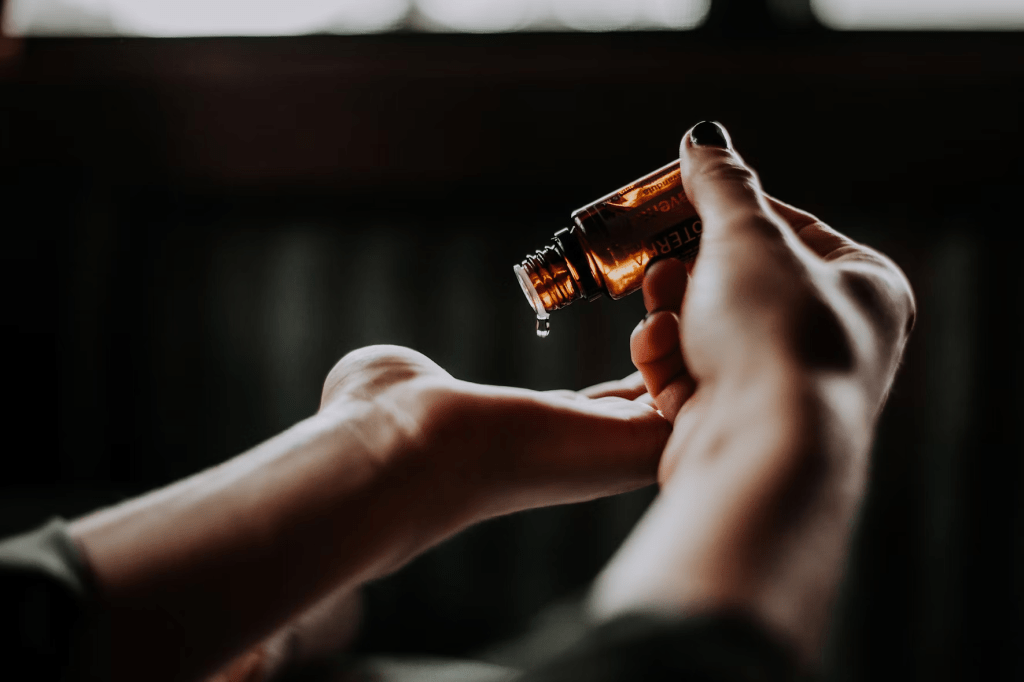
Aromatherapy, the therapeutic use of essential oils derived from plants, has been valued for its ability to promote relaxation, reduce stress, and enhance emotional well-being.
This article explores how aromatherapy can offer unique benefits and help support people with various disabilities, by supporting physical comfort, emotional balance, and sensory stimulation. While aromatherapy is not a cure or a substitute for medical treatment, it can be a valuable complementary tool for managing symptoms and improving quality of life.
The Benefits of Aromatherapy for People with Disabilities
What are the benefits of aromatherapy?
Aromatherapy works through the olfactory system, where essential oils release compounds that can stimulate or soothe the nervous system, helping to manage a range of mental and physical responses. Here are some of the specific ways aromatherapy can benefit people with disabilities:
- Reducing Anxiety and Stress: Many individuals with disabilities experience anxiety, whether due to medical challenges, mobility limitations, or sensory processing issues. Essential oils like lavender, chamomile, and bergamot are known for their calming effects, which help to reduce stress and promote a sense of calm.
- Supporting Pain Management: Chronic pain and discomfort are common challenges for many people with disabilities, particularly those with conditions like arthritis, fibromyalgia, or neurological disorders. Essential oils such as peppermint, eucalyptus, and rosemary have mild analgesic and anti-inflammatory properties that, when used in massages or topical applications, may help ease pain.
- Enhancing Mood and Reducing Depression: Disabilities can sometimes lead to feelings of isolation or depression. Uplifting essential oils like citrus (lemon and orange) and floral scents (rose and ylang-ylang)can help to enhance mood and improve emotional well-being.
- Improving Focus and Reducing Mental Fatigue: Cognitive fatigue can be a concern for people with learning disabilities, for example, ADHD, or autism. Essential oils like rosemary, peppermint, and lemon have been shown to improve focus, alertness, and mental clarity, which makes them helpful for those who need extra support with attention or concentration.
- Aiding Sensory Processing and Relaxation for Autism and Sensory Sensitivities: For people with sensory processing disorders or autism, carefully chosen aromatherapy can provide a calming and sensory experience. Essential oils like cedarwood, frankincense, and vetiver have grounding and soothing effects that can help individuals feel centred and calm, making them beneficial in sensory integration therapy.
Essential Oils and Safety Guidelines for People with Disabilities
While aromatherapy can be beneficial, it’s essential to use it carefully, as some individuals with disabilities may have sensitivities or allergies that make certain oils problematic. Here are some key safety considerations:
- Consult with a Healthcare Provider: People with disabilities, especially those with respiratory, skin, or neurological conditions, should consult with their healthcare provider or a certified aromatherapist before using essential oils, particularly if they take medications that could interact with certain oils.
- Use Diluted Oils: Essential oils are highly concentrated and can irritate the skin or respiratory system if used undiluted. Always dilute essential oils in a carrier oil like coconut or jojoba oil for topical application, using a dilution ratio of about 1-2% (one to two drops of essential oil per teaspoon of carrier oil) for adults. For children, the dilution should be even lower.
- Avoid Ingesting Essential Oils: Essential oils should generally not be ingested, as many can be toxic when taken internally. Aromatherapy is more effective when inhaled through diffusers, sprays, or used topically in a diluted form.
- Be Aware of Allergies and Sensitivities: Some people may have sensitivities to specific essential oils. Always perform a patch test before using a new essential oil on the skin, and avoid using oils that trigger any form of irritation or discomfort.
- Consider the Environment: For people with sensory sensitivities, aromatherapy should be introduced in a controlled, and calm environment. Avoid overpowering scents, and introduce new scents slowly to allow time for adjustment.
Essential Oils for Specific Disabilities
Different essential oils may offer specific benefits depending on the needs of the individual and their disability. Here are some recommended oils for various conditions:
1. Mobility Challenges and Chronic Pain Conditions
- Peppermint: Known for its cooling sensation, peppermint oil may provide mild pain relief when applied to sore muscles in a carrier oil.
- Eucalyptus: Often used for muscle pain relief, it has anti-inflammatory properties that can soothe joint pain.
- Lavender: Known for its calming properties, lavender oil can help reduce muscle tension and improve sleep quality, which may benefit those dealing with chronic pain.
2. Neurological Disabilities and Cognitive Challenges
- Rosemary: Associated with enhanced memory and concentration, rosemary oil can be helpful for cognitive stimulation, making it suitable for individuals with memory challenges.
- Peppermint and Lemon: These oils have energising effects and may reduce feelings of mental fog and fatigue.
- Frankincense: Known to reduce stress and promote relaxation, it’s often used to support mental clarity and emotional balance.
3. Autism and Sensory Processing Disorders
- Vetiver: Often used for grounding, this essential oil has calming effects that can help ease anxiety and provide a sense of balance.
- Frankincense: Gentle and grounding, frankincense can provide relaxation and comfort, which may reduce sensory overload.
- Cedarwood: This oil is known for its calming and grounding properties, helping those with autism or sensory sensitivities to feel more relaxed.
4. Mental Health Challenges
- Chamomile and Lavender: Both chamomile and lavender oils are widely known for their anxiety-reducing effects, which may be helpful for those dealing with stress, depression, or mood disorders.
- Bergamot: Uplifting and refreshing, bergamot can support positive mood changes, making it ideal for people with depression or seasonal affective disorder.
- Rose: Rose oil has been linked to reducing symptoms of depression and promoting relaxation, providing comfort for those struggling with emotional challenges.
Practical Ways to Use Aromatherapy
Incorporating aromatherapy into daily life can be easy and adaptable. Here are some accessible ways to use essential oils:
- Diffusers: Diffusers release essential oils into the air, providing a gentle aroma throughout the room. Electric diffusers are ideal as they allow precise control of the intensity, which can be adjusted according to sensitivity levels.
- Roll-Ons: Diluted essential oils in a roll-on bottle can be applied to the wrists or temples as a personal aromatherapy tool. This provides a discreet and portable way to use essential oils.
- Baths and Compresses: Adding a few drops of essential oil (pre-mixed in a carrier oil) to a warm bath can provide relaxation, while warm or cold compresses infused with essential oils can help with pain management.
- Massage: For those who benefit from physical therapy or massage, adding essential oils to a carrier oil and using it during massage therapy can help with muscle relaxation and emotional comfort.
- Inhalers: Aromatherapy inhalers are small, portable devices that hold essential oils, making it easy to use them on the go. This method provides a more controlled scent experience, making it ideal for those with sensory sensitivities.
Empowering Individuals with Disabilities Through Aromatherapy
Aromatherapy, when tailored to the unique needs of people with disabilities, can offer a sense of empowerment and improved well-being. By creating a calming and safe environment, aromatherapy can help to aid pain relief, and support emotional health, aromatherapy can also play a valuable role in a holistic approach to health. As with any complementary therapy, it’s essential to approach aromatherapy with guidance, patience, and personalisation, ensuring it is a safe and enriching part of the individual’s routine.
Whether used for relaxation, focus, or pain management, aromatherapy offers people with disabilities an additional tool to support their journey to health and self-care.
References:
Image: Christin Hume
Website:
https://unsplash.com/photos/person-holding-amber-glass-bottle-0MoF-Fe0w0A
 Rachel Bakewell