Sewing is often celebrated as a soothing and rewarding hobby, but for someone with dyslexia, it can present unique challenges that go beyond the usual frustrations of stitching and seam ripping. Recently, I decided to take on a seemingly simple project: sewing a zipped pouch. Despite my enthusiasm, the process didn’t go as planned.
The Struggle with Measurements
The first challenge arose when cutting the fabric pieces. Armed with a rotary cutter, I was hopeful that I could achieve clean, precise cuts. Yet, despite my best efforts, I found myself struggling to work out the measurements. This isn’t the first time I’ve faced this issue, and it’s something I’ve come to associate with my dyslexia. Maybe you struggle with this too? Translating numbers and dimensions into tangible results can feel like solving a puzzle without the box.
Fabric Woes
To make matters more complicated, I had chosen a beautiful soft velvet for the pouch. While the material was lovely to the touch, it turned out to be far from ideal for this project. When I tried to use a glue stick to stabilise the fabric, the adhesive smeared onto the velvet, leaving unsightly marks and adding to my frustration.
Problem-Solving and Persistence
Initially, I thought I could rectify the issue of the uneven-cut fabric pieces by adjusting the alignment during sewing, but this only led to further difficulties. The uneven edges made it impossible to create a neat finish, and the misaligned seams were glaringly obvious.
It was disappointing to see my vision for the zipped pouch unravelling, but I reminded myself that sewing, like any creative endeavour, often involves trial and error.
Reflections on Sewing with Dyslexia
Sewing with dyslexia adds an extra layer of complexity to an already intricate craft. Beyond the technical skills, it requires constant problem-solving and patience. Misreading numbers, confusing patterns, and struggling with spatial awareness can make simple projects feel daunting.
However, I also believe that these challenges don’t have to stop us from pursuing our creative passions. For me, sewing is a way to express myself and create something tangible, even if the path to the finish line is a little bumpier.
Seeking Advice
Despite this setback, I’m determined to try again. I know I need to approach the project differently next time—perhaps by choosing a more forgiving fabric or practicing cutting techniques. I’m also curious to know if anyone else has tips for managing sewing challenges, particularly for those of us navigating the additional hurdles of dyslexia.
How do you keep your measurements accurate? Are there tools or tricks that have helped you simplify the process? I’d love to hear from fellow sewists about their experiences and suggestions.
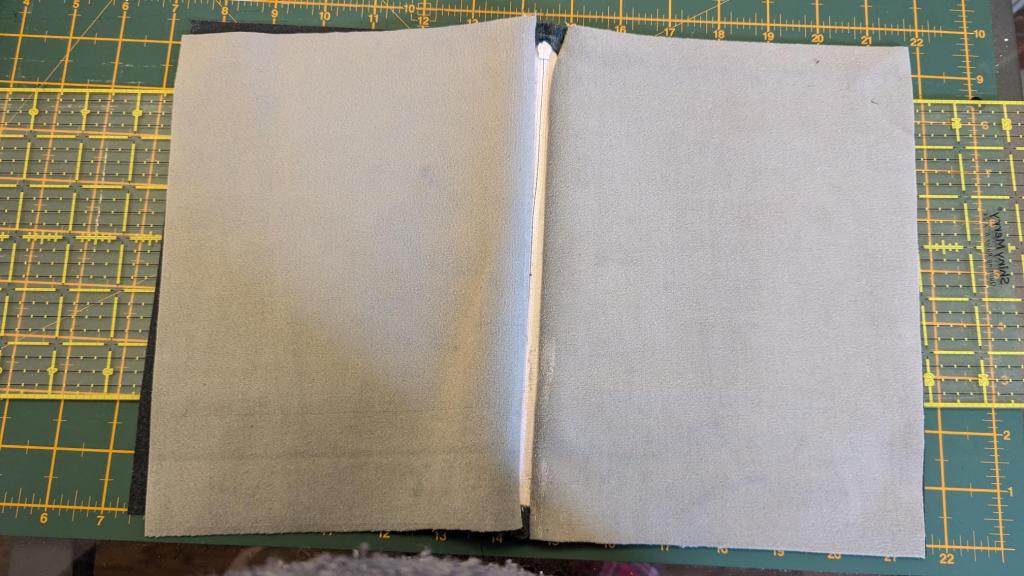
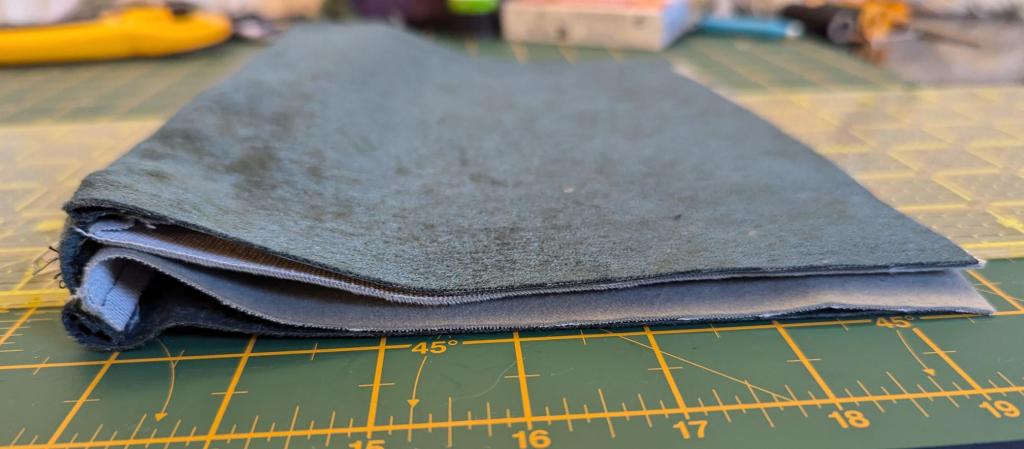
These images show where I went wrong I didn’t leave enough fabric at each end to sew the seam and make it look neat.
 Rachel Bakewell
Dear Rachel,
I am incredibly grateful to have found you and your amazing couragous article on sewing with dyselxia. I am 70 years old now and discovered 20 years ago that I had “processing” issues which include dyselxia. I have loved sewing since childhood, but gave it up in college as the frustration from teachers and from myself was just too much. I started up again last spring with a private instructor which has helped, but finding your thoughtful article has affimed my desire to perservere. It gives me great comfort to know there are talented, accomplished artists that share this special way of processing things.
Thank you for sharing and blessings to you and your loved ones
Eloise Hartsuiker
LikeLike
Dear Eloise,
Thank you so much for taking the time to write to me. Your message means more than I can say. Knowing that my article reached you — and resonated with your own journey — is deeply moving.
Sewing with a different processing style can be both a joy and a challenge, and it takes real courage to return to something you love after years of frustration. The fact that you picked it up again last spring, and that you’re giving yourself the support you deserve, speaks to a strength and persistence that I admire.
I’m honoured that my words offered comfort and affirmation. There are so many of us who process the world in ways that don’t fit the traditional mould, and it’s important that our stories are visible. You’re absolutely part of that creative lineage.
Thank you again for reaching out and for sharing a little of your story with me. I’m wishing you ease, confidence, and many moments of joy in your sewing.
Warmest blessings to you and your loved ones,
Rachel
LikeLike