“Participants in the study said that by taking part in smart textiles workshops, they experienced better concentration.”
© Nottingham Trent University
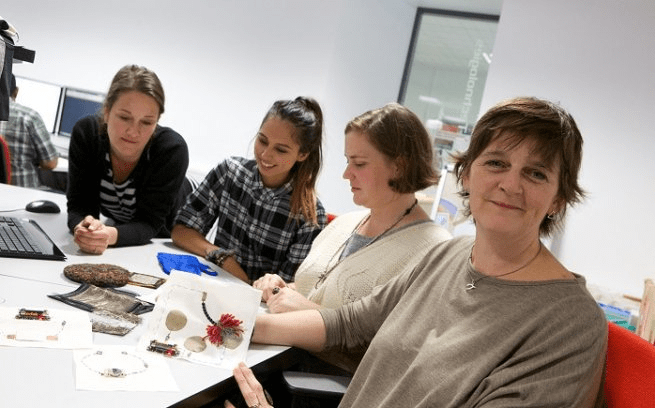
Fig 1: Dr Kettley and her research team at NTU, as featured in an article on the Innovation in Textiles website.
Image © Innovation in Textiles.
Smart textiles are beginning to revolutionise how we interact with technology, but their impact goes far beyond mere functionality. A ground-breaking research project led by Dr. Sarah Kettley at Nottingham Trent University demonstrates how these innovative materials can play a vital role in mental health and personal empowerment. This initiative, conducted in collaboration with the mental health charity Mind, showcases the transformative potential of combining technology, creativity, and person-centred approaches.
What Are Smart Textiles?
Smart textiles are fabrics that are embedded with electronic components that interact with the wearer or the environment. These textiles can include sensors, conductive threads, and circuits that enable functions such as monitoring health, adjusting to temperature changes, or providing interactive feedback.
The Nottingham Trent University project explored these possibilities while emphasising inclusivity in their design, ensuring people with mental health conditions could actively participate and benefit.
A Person-Centered Approach
The research adopted a psychological framework known as the person-centred approach. Instead of focusing on deficits or illnesses, this method empowers participants by placing trust in their self-awareness, offering empathy, and fostering positive regard. This approach not only acknowledges the individual’s experiences but also values their creativity and input in the design process.
Empowering Mental Health Through Creativity
The project included workshops where participants were guided in creating their own smart textile garments. These sessions provided multiple benefits:
- Improved Concentration: Participants reported better focus during and after the workshops.
- Confidence Building: Engaging in a group setting and mastering new skills enhanced self-esteem.
- Reduced Anxiety: The creative process and the supportive environment helped alleviate feelings of anxiety.
Some participants even gained enough confidence to co-lead e-textile workshops and attend national conferences, demonstrating the empowering potential of this initiative.
Innovative Smart Textile Designs
Participants experimented with cutting-edge textile technologies, such as:
- Fabric Tilt Switches: Sensors that detect orientation.
- Embroidered Sensors: Circuits that respond to touch.
- Push-Button Switches: Embedded buttons for interaction.
These tools led to creative outputs like light-up gloves, pocket anxiety monitors, and a sculptural display representing group well-being.
The Broader Impact

Fig 2: As shown in the same Innovation in Textiles article featuring Dr Kettley and her team at NTU.
Image © Innovation in Textiles.
Dr. Sarah Kettley emphasised the importance of ensuring that people with mental health conditions are not excluded from technological advancements. With one in four individuals experiencing mental health challenges at some point, projects like this are crucial for inclusivity.
Nic Roberts of the Nottinghamshire Mind Network echoed this sentiment, noting that participants became co-researchers, gaining skills and a platform to voice their experiences.
The Future of Smart Textiles in Mental Health
The success of this project underscores the potential of smart textiles to empower individuals and foster creativity. By integrating inclusive practices, such initiatives can provide therapeutic benefits and open up new opportunities for collaboration and innovation.
As the field of smart textiles continues to evolve, its intersection with mental health, creativity, and personal empowerment offers a promising avenue for future exploration and development.
For more information about smart textiles research and how it’s changing lives, you can visit Innovation in Textiles and the Nottingham Trent University websites.
References:
Images:
Fig 1: Innovation in Textiles
Fig 2: Innovation in Textiles
Websites:
Mental Health Charity Mind
 Rachel Bakewell