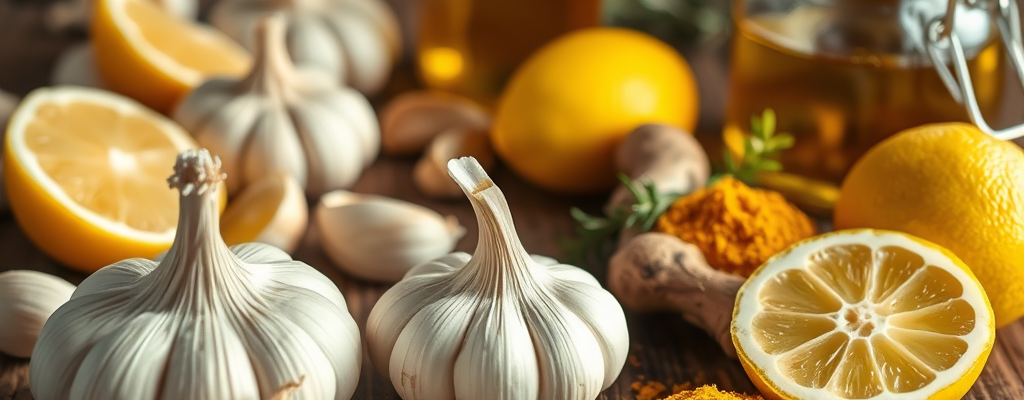
Antibiotics have long been essential to modern medicine, but the widespread overuse of synthetic options has raised serious concerns about antibiotic resistance and unwanted side effects. Natural antibiotics—sourced from plants and other natural materials—offers a gentler, and an effective alternative for supporting the immune system and managing mild infections. This guide will show you how to make your own natural antibiotic remedy using simple, accessible ingredients that can benefit your overall health.
What Are Natural Antibiotics?
Natural antibiotics are naturally occurring substances with powerful antimicrobial properties. Found in herbs, spices, and other plant-based sources, they can help fight bacteria, fungi, and viruses. While they are not a substitute for prescription antibiotics in serious infections, natural antibiotics can be useful for everyday immune support and treating minor ailments such as colds, sore throats, or mild skin infections.
Ingredients for a Natural Antibiotic
The following ingredients are well-known for their natural antimicrobial properties:
Garlic:
- Contains allicin, a powerful compound with antibacterial, antiviral, and antifungal properties.
- Known to boost the immune system and fight infections.
Honey:
- In particular raw honey or manuka honey which is antibacterial and soothing.
- Helps to heal wounds and fight throat infections.
Ginger:
- An anti-inflammatory and is antimicrobial, ginger is excellent for respiratory and digestive health.
Turmeric:
- Contains curcumin, which has strong antibacterial and anti-inflammatory properties.
Apple Cider Vinegar:
- A natural antiseptic that supports gut health and balances the body’s pH.
Cayenne Pepper (Optional):
- Stimulates circulation and may help clear mucus.
Lemon:
- High in Vitamin C and natural acids that boost immunity and combat bacteria.
Herbs (Optional):
- Thyme, oregano, or rosemary for added antibacterial effects.
How to Make a Natural Antibiotic Tonic
Ingredients:
- 1 bulb of garlic (10–12 cloves), peeled and minced
- 1 cup raw honey
- 1/4 cup apple cider vinegar
- 1 tablespoon grated ginger
- 1 tablespoon turmeric powder or fresh turmeric, grated
- Juice of 1 lemon
- Optional: 1/4 teaspoon cayenne pepper or a sprig of thyme/oregano
Equipment:
- A clean glass jar with a lid
- A grater or garlic press
- Mixing spoon
Step-by-Step Instructions:
Prepare the Ingredients:
- Mince the garlic finely or crush it with a garlic press to release allicin.
- Grate the ginger and turmeric if using fresh roots.
Combine in a Jar:
- Add the minced garlic, grated ginger, turmeric, honey, apple cider vinegar, lemon juice, and cayenne pepper (if using) into the glass jar.
- Stir the mixture well to combine.
Let It Infuse:
- Seal the jar with a lid and let it sit in a cool, dark place for 3–5 days. Shake the jar daily to ensure the ingredients infuse evenly.
Strain (Optional):
- After the infusion period, strain the mixture through a fine mesh sieve or cheesecloth if you prefer a smoother tonic.
Store:
- Transfer the tonic to a clean jar or bottle and store it in the refrigerator. It will keep for up to 2 months.
How to Use Your Natural Antibiotic
- For Immune Support:
- Take 1 teaspoon daily as a preventative measure, especially during cold and flu season.
- For Minor Infections:
- Take 1 teaspoon up to three times daily until symptoms subside.
- For Sore Throats:
- Mix 1 teaspoon of the tonic with warm water and sip as needed.
Precautions
- Consult a Professional: If you have a serious infection or health condition, consult a doctor before using natural remedies.
- Allergies: Ensure you’re not allergic to any ingredients.
- Children and Pregnant Women: Some ingredients, like honey (for children under 1) or high doses of turmeric, may not be suitable.
- Educational Purpose:
This guide is intended for informational and educational purposes only. It is not a substitute for professional medical advice, diagnosis, or treatment. - Individual Reactions Vary:
Natural remedies may affect individuals differently. Discontinue use if any adverse reaction occurs. - Interactions with Medications:
Some herbs may interact with prescription or over-the-counter medications. Consult a healthcare provider before combining treatments.
Why Make Your Own?
Making your own natural antibiotic is a sustainable and empowering way to care for your health. You can control the ingredients, avoid synthetic additives, and tailor the recipe to suit your needs. Plus, it’s a cost-effective alternative to store-bought remedies.
Final Thoughts
Natural antibiotics like this tonic are a wonderful addition to your home remedy toolkit. While they can’t replace prescribed antibiotics for serious conditions, they’re excellent for supporting your immune system and addressing minor health concerns. Start crafting your own and take a step towards a healthier, more natural approach to wellness!
Responsibility Statement:
Please note that while this remedy is shared with care and for informational purposes, individual needs and responses may vary. Always listen to your body and consult with a healthcare professional if you’re unsure. The author cannot take responsibility for any outcomes that may arise from its use.
If you found this helpful, feel free to subscribe or follow for more natural remedies, thoughtful tips, and informative posts delivered with care.
 Rachel Bakewell