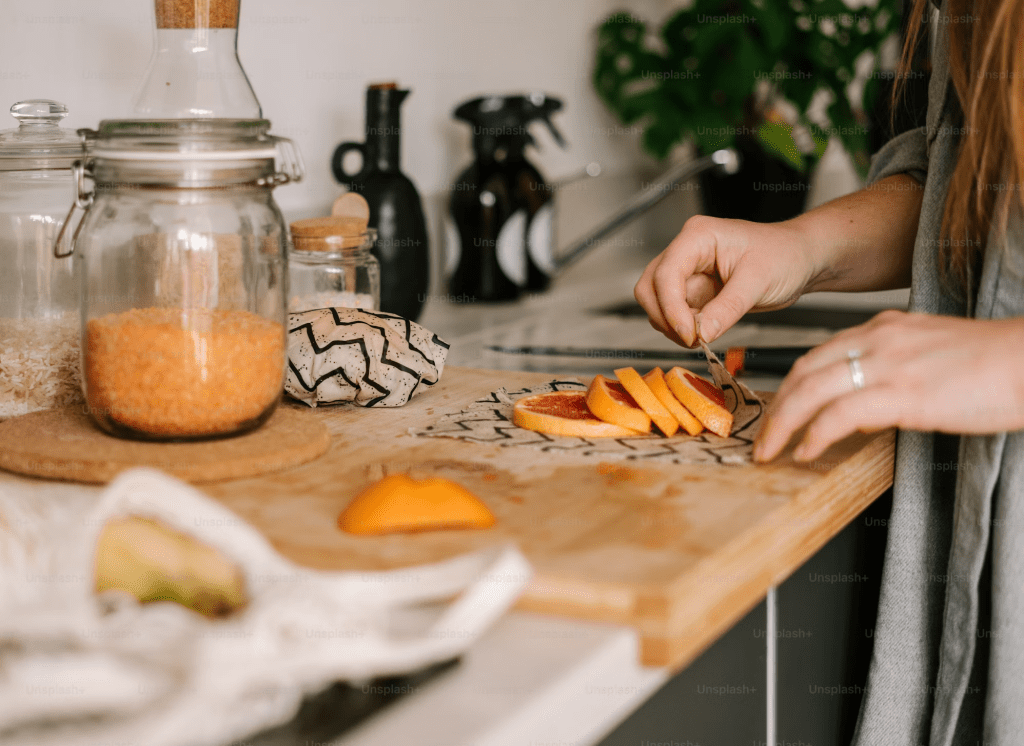
As more people seek to find sustainable alternatives to single-use plastics, sustainable wax wraps have become a popular solution. These reusable wraps help keep food fresh, reduce plastic waste, and are easy to make at home using natural ingredients. Here’s a step-by-step guide to creating your own sustainable wax wraps.
Materials Needed:
- 100% organic cotton fabric (cut to desired sizes)
- Sustainably sourced and cruelty-free beeswax pellets or grated beeswax
- Jojoba oil (optional, for added flexibility)
- Sustainably sourced pine resin (optional, helps make the wraps slightly tacky)
- Parchment paper
- A baking sheet
- A paintbrush (for spreading the wax)
- An oven or iron
Step-by-Step Instructions:
Prepare the Fabric
Choose 100% organic cotton fabric, as it absorbs wax well and is breathable. Cut the fabric into different sizes, such as small circles for covering jars or larger rectangles for wrapping sandwiches. Using pinking shears can help prevent fraying and extend the life of the wax wraps.
Preheat the Oven
Set your oven to 200°F (93°C) or a low setting. If you are using an iron, have your ironing board and parchment paper ready.
Arrange the Fabric
If you are making your wax wraps in the oven place the fabric on a parchment-lined baking sheet. If making multiple wraps, ensure they do not overlap.
Apply the Wax Mixture
Evenly sprinkle the fabric with beeswax pellets. If using jojoba oil and pine resin, mix them with the melted wax beforehand and brush the mixture onto the fabric for a more even application.
Melt the Wax
Put the baking sheet in the oven for 5-10 minutes until the wax is completely melted. If using an iron, place another sheet of parchment paper on top of the fabric and run a warm iron over it until the wax melts and spreads evenly.
Spread the Wax Evenly
Use a paintbrush to spread the wax, ensuring full coverage. If any dry spots remain, add more wax and repeat the melting process.
Cool and Dry
Carefully lift the fabric and hang it to dry for a few minutes. The wrap will harden quickly and be ready for use.
How to Use and Care for Sustainable Wax Wraps
- Use the warmth of your hands to mold the wrap around food or containers.
- Do not use wax wraps for raw meat or overly greasy foods.
- Wash with cool water and mild soap; avoid hot water as it will melt the wax.
- Re-wax when wraps lose their stickiness to extend their lifespan.
Final Thoughts
Making sustainable wax wraps at home is a simple and rewarding process that contributes to a greener lifestyle. These wraps are a great alternative to plastic wrap, are cost-effective, and can be customised with fun fabric patterns. Try making your own and enjoy an environmentally friendly way to store your food!
References:
Image:
Website:
https://unsplash.com/photos/a-woman-cutting-up-some-fruit-on-a-cutting-board–oFPt6ahBVM
 Rachel Bakewell