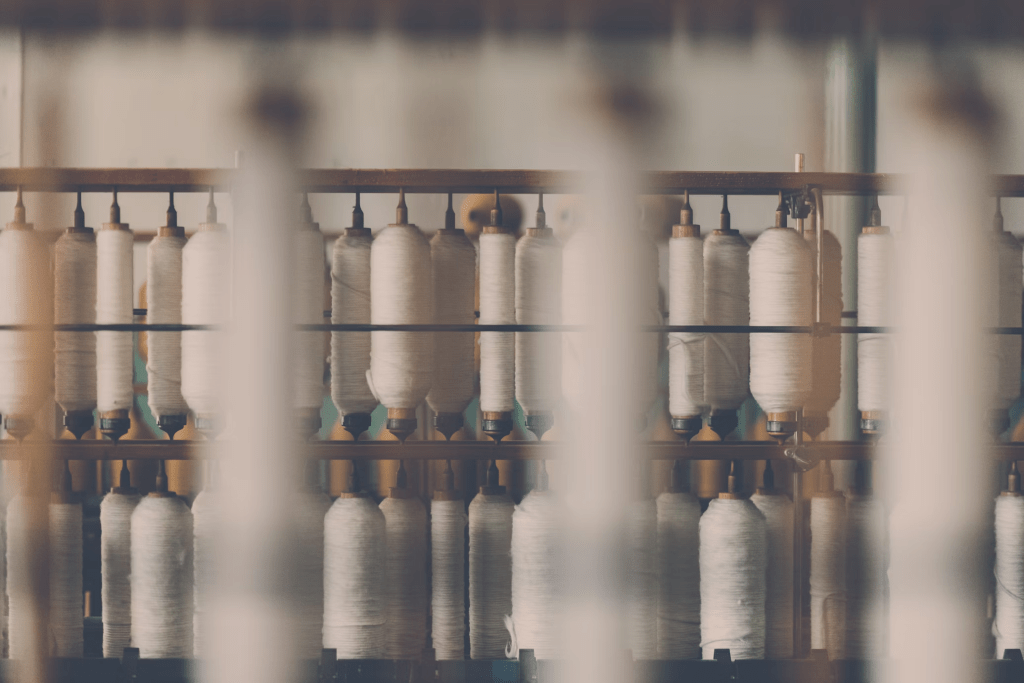
Once the heart of the global textile trade, the UK’s cotton industry has long been in decline. But in a world craving sustainability, transparency, and local solutions, a new opportunity is emerging. Can the UK revive its textile roots—and reimagine cotton manufacturing for the future?
The short answer? Not dead. Just dormant—and very ready for a thoughtful revival.
What Happened to UK Cotton Manufacturing?
The UK’s dominance in cotton textiles began during the Industrial Revolution, with cities like Manchester earning the nickname “Cottonopolis.” But by the mid-20th century, global shifts in trade, automation, and the lure of cheaper labour overseas gutted the industry.
Today, only a few mills remain. Large-scale cotton spinning and weaving is rare, with most fashion brands relying on imported fabrics. But that doesn’t mean the industry is beyond saving—just that it needs to evolve.
Why Bring Cotton Manufacturing Back to the UK?
Rebuilding the cotton industry isn’t about nostalgia. It’s about sustainability, ethics, and resilience.
- Environmental Impact: Local production reduces the carbon footprint tied to overseas shipping.
- Supply Chain Transparency: Easier to track where materials come from and how they are made.
- Job Creation: Supports skilled workers and rebuilds craft traditions.
- Circular Economy: Enables more recycling and reusing of textiles when infrastructure is nearby.
- Global Leadership: The UK can’t compete in fast fashion, but it can lead in ethical, high-quality alternatives.
How to Revive the Industry—And Who’s Already Doing It
Here’s where things get exciting. A revival isn’t hypothetical—it’s already happening, thanks to a new wave of sustainable brands and textile innovators across the UK.
Support Local Mills and UK-Based Manufacturing
- Community Clothing (Lancashire)
Founded by Great British Sewing Bee’s Patrick Grant, this brand partners with UK factories to create affordable, high-quality basics. It’s not just about fashion—it’s about a social enterprise supporting jobs in former mill towns.
Champions in Circular Fashion and Recycled Cotton
- Teemill (Isle of Wight)
Circular fashion at its best. Every garment is designed to be returned and recycled into a new one. With on-demand printing, organic cotton, and powered by renewables.
Explore Homegrown Cotton Potential
Climate change is a challenge, but not a barrier. While cotton isn’t native to the UK, innovators are experimenting with small-scale cultivation in greenhouses and microclimates. Combine that with regenerative practices and research investment, it could become part of the local story.
Back UK Brands Doing Things Right
- Hiut Denim Co. (Wales)
“Do one thing well.” Hiut is reviving a town’s denim heritage by crafting premium jeans from sustainable materials in small batches. - Peregrine Clothing
100% UK-made garments that use traceable, natural materials. They blend heritage with forward-thinking production.
What Still Needs to Happen?
Revival takes more than a few good brands. Here’s what else would help:
- Funding is needed for modernising UK textile mills.
- Government support: tax breaks, grants, and “buy local” policies.
- Skill development: education and training for garment making, spinning, weaving, and fashion design.
- Consumer awareness: A cultural shift towards valuing quality, sustainability, and local production.
Final Word: A New Kind of Cotton Industry
The goal isn’t to return to the past. It’s to build something better—a cotton and textile industry that’s cleaner, kinder, and more resilient. One where clothes aren’t just stylish, but made with integrity. One where “Made in the UK” means something again.
With the right investment, support, and cultural momentum, the UK could become a global leader—not in mass production, but in sustainable, circular, thoughtful fashion.
The machines may have stopped spinning—but the story isn’t over.
References:
Image: 🇸🇮 Janko Ferlič
Website:
https://unsplash.com/photos/photography-of-white-treadle-on-brown-wooden-rack-eBtwD6ZG78I
 Rachel Bakewell