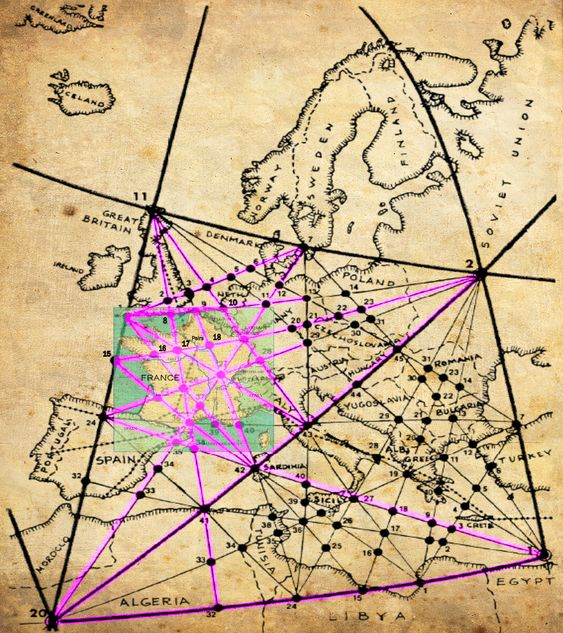
Ley lines, those enigmatic, straight alignments connecting ancient sites—have long fascinated historians, mystics, and curious minds alike. In Hyde and the broader Greater Manchester region, these lines weave a tapestry of history, myth, and mystery that continues to captivate.
What Are Ley Lines?
The concept of ley lines was introduced by Alfred Watkins in the 1920s. He proposed that ancient landmarks—such as standing stones, churches, and burial mounds—were deliberately aligned along straight paths across the landscape. Alfred Watkins believed these alignments represented ancient trade routes or spiritual pathways.

Over time, this idea evolved and some enthusiasts began to associate ley lines with “earth energies,” suggesting that these lines channel natural forces that ancient civilisations harnessed for spiritual or practical purposes. While mainstream archaeology regards ley lines as coincidental alignments without a scientific basis, the allure of these mysterious paths still endures.
Ley Lines in Greater Manchester
Greater Manchester is intersected by several notable ley lines and advocates claim that the British Latitudinal Ley Line, stretching approximately 565 miles, passes through Manchester’s city centre. Additionally, the North West Ley Line is said to cut through south Manchester, linking the Peak District to Northern Ireland .
These alignments have sparked theories that Manchester’s rich cultural and creative heritage, that spans music, art, and innovation—may be influenced by these unseen energy pathways. While such claims are speculative, they do add a layer of intrigue to the region’s historical narrative.
Ley Lines in Hyde and Surrounding Areas
In Hyde, the presence of ley lines is a subject of local curiosity. While specific alignments through Hyde are not well-documented, the town’s proximity to Manchester suggests potential intersections. Nearby landmarks, such as Werneth Low Country Park, with its panoramic views and historical significance, are often focal points in discussions about ley lines.
Explorers and enthusiasts interested in ley lines can consult various resources and maps that attempt to chart these alignments across the UK. While interpretations vary, these tools offer a starting point for those wishing to delve deeper into the subject.
Exploring Further
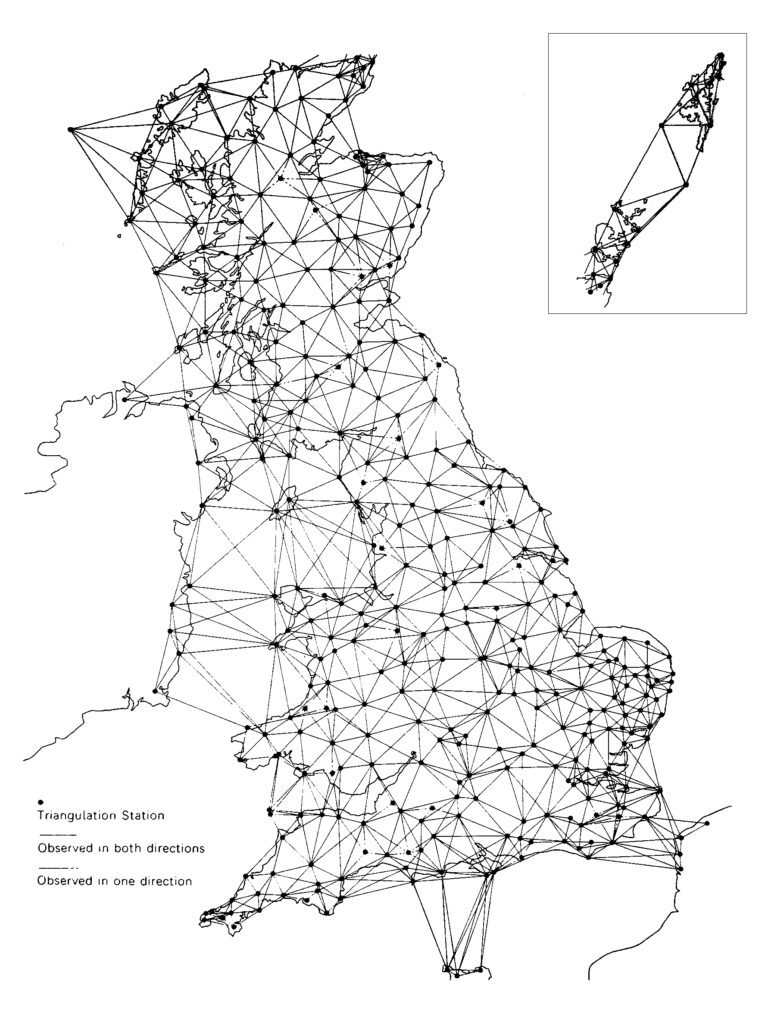
Alfred Watkins Ley Line map.
For those intrigued by ley lines and their place in local lore, several avenues offer deeper exploration:
Workshops and Events: Institutions like The Monastery in Manchester occasionally host events focussing on earth energies and ley lines, providing insights into their history and cultural significance.
Community Discussions: Online forums and local history groups often discuss ley lines, sharing personal experiences and theories about their impact on the area.
Field Exploration: Visiting local landmarks and using dowsing techniques or maps can be an engaging way to connect with the landscape and its hidden histories.
Conclusion
While the existence and significance of ley lines remain subjects of debate, their role in the cultural and historical imagination is undeniable. In Hyde and the surrounding areas, these mysterious alignments offer a unique lens through which to explore the region’s rich tapestry of history, myth, and landscape.
If you have personal stories, theories, or questions about ley lines in Hyde or Greater Manchester, feel free to share them. Let’s continue the exploration together!
References:
Images taken from Manchesters Finest website.
Websites:
 Rachel Bakewell