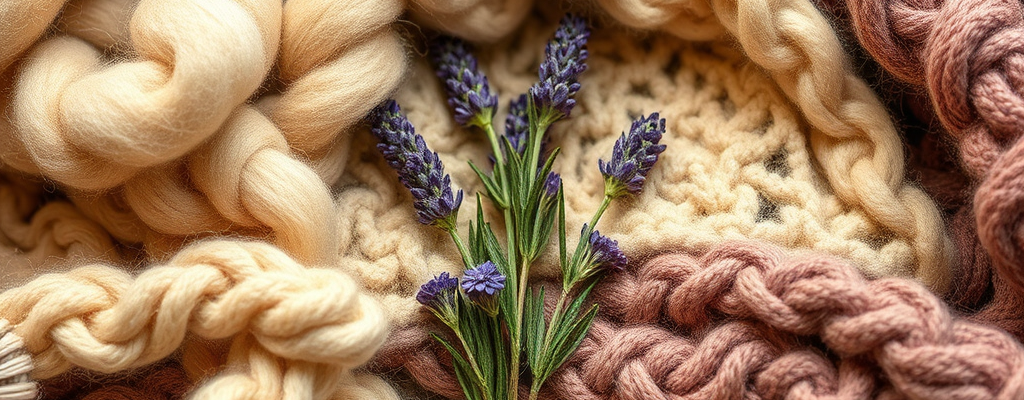
Textiles have always been more than just practical items—they are vessels of memory, emotion, and sensory experience. Throughout history, fabrics have been crafted not only to serve functional purposes but also to provide comfort, stimulate the senses, and express cultural identity. Today, with a growing interest in wellness, sensory design, and sustainable living, designers and artists are turning to historical textile techniques for inspiration. These time-honoured methods offer insights into how fabric can engage the senses in meaningful, and therapeutic ways.
Texture: A Tactile Connection to the Past
Historically, textiles were often handmade, giving them a tactile richness rarely found in mass-produced fabrics. From the soft nap of wool spun by hand to the nubby texture of linen woven on a traditional loom, these surfaces invited touch. Techniques like hand weaving, felting, quilting, and embroidery created intricate patterns and raised textures that stimulated the fingers and have the ability to calm the mind.
Modern sensory textiles—used in therapy, education, and wellness—can draw from these methods:
- Quilting provides structure and comfort through layered, cushioned fabrics.
- Hand embroidery offers textural variation that engages the sense of touch and invites visual focus.
- Felting, traditionally used for warm, dense garments, creates soft and dense surfaces perfect for grounding sensory experiences.
Scent and Natural Dyes
Before synthetic scents and commercial detergents, fabric often carried the aroma of the materials and herbs used in its creation. People once stored linens with dried lavender or rosemary, used herbal infusions in fabric washing, and dyed cloth with plants that had both colour and fragrance, such as woad, madder, or walnut.
Today, these traditional practices inspire:
- Scented fabrics using essential oils or herbal sachets.
- Natural dyeing that connects users with plants and seasons, offering rich colours and subtle, earthy scents.
- Textile blends infused with herbs or botanical elements for therapeutic uses, echoing ancient medicinal fabrics.
Ritual and Memory
Textile traditions often played a role in rituals and rites of passage—christening gowns, wedding dresses, mourning shawls, or memory quilts made from worn garments. These items connected people to life events and emotions through touch, smell, and familiarity.
Contemporary sensory design can reintroduce this emotional layer by:
- Creating memory cloth or quilts for people with dementia, using familiar textures and colours.
- Crafting personalised textiles from meaningful fabrics or heritage designs.
- Using storytelling in design, allowing each piece to hold a narrative through materials and motifs.
Sight and Symbolism
Colour, pattern, and movement were all used historically to evoke sensory reactions. Symbolic embroidery patterns, regional weaving styles, and natural dyes gave fabrics both meaning and visual texture. These elements didn’t just serve decorative purposes—they told stories and connected people to cultural traditions.
Designers today can incorporate this by:
- Using historically inspired motifs that hold symbolic meaning.
- Choosing natural, variable dyes that evolve over time.
- Working with traditional looms or stitching techniques that add visual interest and textural depth.
Sound and Movement
Some traditional garments included sensory sound elements—beads that clicked together, metal trims that chimed, or silk that rustled softly. Movement and sound were not just decorative but played a part in dance, ceremony, and even calming routines.
These ideas can influence sensory textiles for:
- Sound-sensitive users, incorporating gentle, calming audio cues.
- Movement-based therapy, where the flow and weight of the textile become part of physical regulation and mindfulness.
Weaving the Past into the Present
Revisiting historical textile techniques isn’t simply about preserving craft—it’s about reawakening our sensory relationship with the materials we live in and around. In an increasingly digital and detached world, textiles offer an opportunity to reconnect with our bodies and emotions through texture, scent, colour, and memory.
By drawing from traditional methods, modern makers can create textiles that do more than clothe or decorate—they can heal, soothe, and connect.
Further Reading & Resources
- Textiles and the Origins of History by Mary Schoeser Abebooks
- Various books by Jenny Dean
- Sensory Threads – Researchgate
 Rachel Bakewell