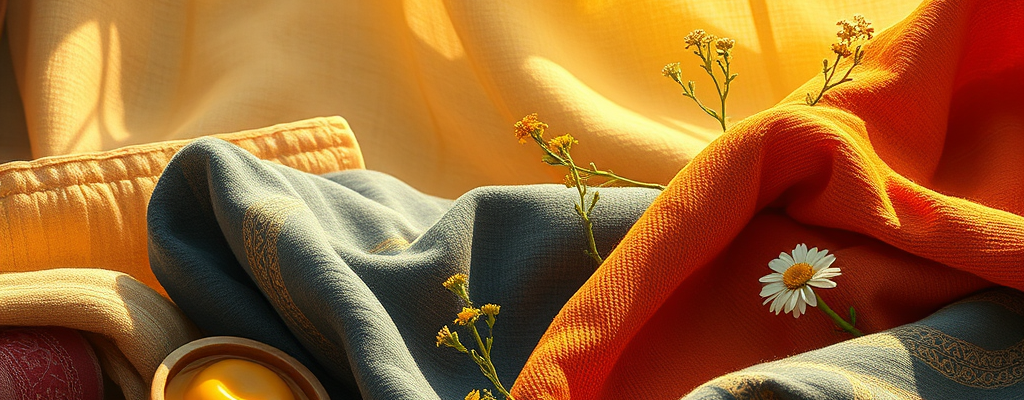
From ancient civilizations to early industrial societies, textiles have served not just to clothe the body but to comfort, heal, and soothe. Long before synthetic softeners and antimicrobial coatings, communities around the world developed natural methods for treating fabrics to enhance their texture and even their medicinal properties. This article explores the fascinating historical approaches to fabric softening and medicinal textiles—traditions that remain relevant today, especially in the growing movement towards sustainable and functional design.
Natural Fabric Softeners Before Industry
Before commercial softening agents, many cultures relied on nature’s own materials to make cloth more comfortable against the skin.
Fulling with Natural Agents
In medieval Europe, fullers treated woolen cloth by soaking and pounding it to cleanse and soften the fibres. Early fullers used:
- Urine (known as “lant”), due to its ammonia content, to clean and soften cloth.
- Fuller’s earth, a clay material that removed oils and added softness.
- Soapwort (Saponaria officinalis), a plant with natural saponins, was used for gentle fabric washing and softening.
Beating and Washing
In many parts of Asia and Africa, fabric was softened by repeated washing, beating on river stones, and sun-drying—a labour-intensive but chemical-free method.
Conditioning with Oils
In some traditions, cloth was soaked in or brushed with plant-based oils like flaxseed or olive oil to maintain softness and flexibility, especially in linens or coarse fabrics.
Medicinal Textiles: Healing in the Weave
The use of fabric for healing dates back thousands of years, merging the fields of herbalism, ritual, and practical medicine.
Herbal-Infused Bandages and Linens
Ancient Egyptians, Greeks, and Romans used textiles infused with natural herbs to treat wounds or soothe ailments. Linen bandages soaked in mixtures containing:
- Honey, for its antibacterial properties.
- Myrrh and frankincense, as anti-inflammatory agents.
- Chamomile, for skin calming.
These were precursors to modern antimicrobial dressings.
Medicinal Dyes
In medieval Europe and Asia, certain plants used for dyeing—like indigo, madder, or turmeric—also held medicinal value. For example:
- Turmeric-dyed fabric was believed to have antibacterial properties and was used in South Asia for baby clothing and postnatal care cloths.
- Woad and nettle were sometimes used in both dyeing and topical applications.
Wool and Therapeutic Warmth
Wool, especially untreated or “raw” wool, was used in folk medicine in colder regions for joint pain relief and chest compresses. Lanolin, a natural oil in wool, added to its therapeutic quality.
Revival and Relevance Today
As the interest in sustainable and functional textiles grows, these historic practices are being revisited:
- Botanical dyeing techniques are enjoying a renaissance for their gentleness and therapeutic associations.
- Modern textile designers are experimenting with antimicrobial fabrics using copper or herbal treatments, echoing ancient wisdom.
- Aromatherapeutic textiles, such as lavender-infused pillows or eucalyptus-treated bedding, bring old remedies into modern wellness.
Can We Replicate These Methods?
Yes—many of these traditional techniques can be adapted at home:
- Use natural soapwort or organic vinegar as a gentle fabric softener.
- Try soaking cloth in infusions of chamomile, lavender, or calendula for calming effects.
- Explore natural dyeing with turmeric, onion skins, or madder root to create both beauty and gentle therapeutic function.
Final Threads
Textiles have always been more than utilitarian. They carry with them the intentions of their makers—whether that’s comfort, healing, or protection. Historical approaches to fabric softening and medicinal textiles remind us that cloth can be a medium of care, creativity, and connection. By revisiting these ancient practices, we not only embrace sustainable methods but also honour the wisdom of generations past.
Further Reading & Resources:
Websites:
 Rachel Bakewell