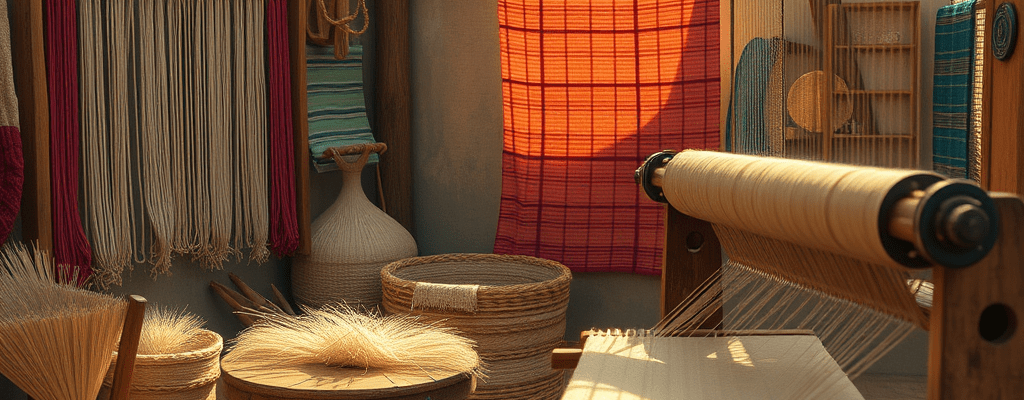
In a world increasingly shaped by automation and fast fashion, the traditional arts of textile-making—spinning, dyeing, weaving, and embroidery—are often overshadowed. Yet, heritage textile techniques remain vital not only for their aesthetic and cultural value but also for what they can teach us about sustainability, craftsmanship, and community. Preserving and reinventing these practices is more than a nostalgic nod to the past; it’s a meaningful investment for a more thoughtful future.
Why Heritage Textile Techniques Matter
Heritage textile practices are deeply embedded in the cultural identities of communities across the globe. Whether it’s handwoven Harris Tweed from Scotland, natural indigo dyeing in Japan, or intricate Kente weaving in Ghana, these techniques tell stories—of environment, tradition, struggle, and resilience. They reflect centuries of experimentation, adaptation, and lived experience.
Preserving these traditions means maintaining a connection to ancestral knowledge. Many of these skills have been passed down through generations, often by women, and represent an intergenerational dialogue that is at risk of being lost in a mass-produced world.
A Lesson in Sustainability
Many traditional textile practices are inherently sustainable. Before the rise of synthetic dyes and petroleum-based fabrics, textiles were crafted from natural fibres like wool, cotton, flax, or silk, and dyed with plant-based or mineral pigments. Techniques were often zero-waste or encouraged reuse—such as patchwork, visible mending, or natural felting processes.
By studying and reapplying these methods, contemporary makers and designers can reimagine more ecologically responsible ways of producing and consuming textiles. This is not just a revival of technique but a radical rethinking of values—slowing down production, reducing waste, and valuing quality over quantity.
Innovation Through Reinvention
Preservation doesn’t mean fossilisation. Reinventing heritage techniques allows for innovation rooted in respect. Designers around the world are blending traditional methods with modern technologies—laser cutting meets lace-making, AI-assisted design tools help replicate handwoven patterns, and heritage crafts are brought to digital platforms to reach global audiences.
This reinvention is essential for keeping traditions alive and relevant. Younger generations of makers are increasingly drawn to heritage textiles, not just for their aesthetics but for their potential to challenge the disposability of contemporary fashion.
Building Community and Cultural Equity
Textile heritage is also about community and social history. Preserving these practices often means supporting the livelihoods of artisans, many of whom live in marginalised or rural areas. Fair trade models and ethical fashion movements that prioritise craft preservation can help build economic resilience and empower underrepresented voices.
Furthermore, when heritage techniques are properly credited and supported, they offer a path towards cultural equity—recognising the intellectual and creative labour of communities often excluded from dominant fashion narratives.
How You Can Support Textile Heritage
- Learn and share: Take a workshop, read about traditional crafts, or share the stories of artisans.
- Buy less, choose better: Support designers and brands that honour and invest in heritage techniques.
- Create and document: If you’re a maker, experiment with old techniques in new ways and share your process.
- Preserve family histories: Heirloom textiles often carry personal stories. Mending or repurposing these pieces can be a form of personal heritage work.
Conclusion
In preserving and reinventing textile heritage, we do more than salvage fading techniques—we affirm the value of history, the importance of identity, and the potential for sustainability. These threads from the past can help us weave a future that respects both people and planet, celebrating human creativity at its most mindful and meaningful.
 Rachel Bakewell