There’s a kind of silence in Debbie Lyddon’s work that speaks louder than words. Her stitched cloth, sculptural forms, and elemental textures feel like they’ve been shaped by wind, salt, and time. I first encountered her pieces while navigating my own creative fatigue—caught between decorating dust and the longing to return to making. Her work felt like a breath.
Debbie Lyddon’s practice is deeply rooted in the coastal landscape of Wells-next-the-Sea, in Norfolk, particularly around The Quay, where salt marshes, shifting tides, and harbour textures where she walks, listens, collects, and responds which inform her material responses. She transforms utilitarian materials—canvas, wax, bitumen, salt—into poetic objects that evoke the rhythms of coastal life. Her pieces often fray, erode, or stand upright like stitched vessels of memory. They are not pristine. They are weathered, intentional, and quietly defiant.
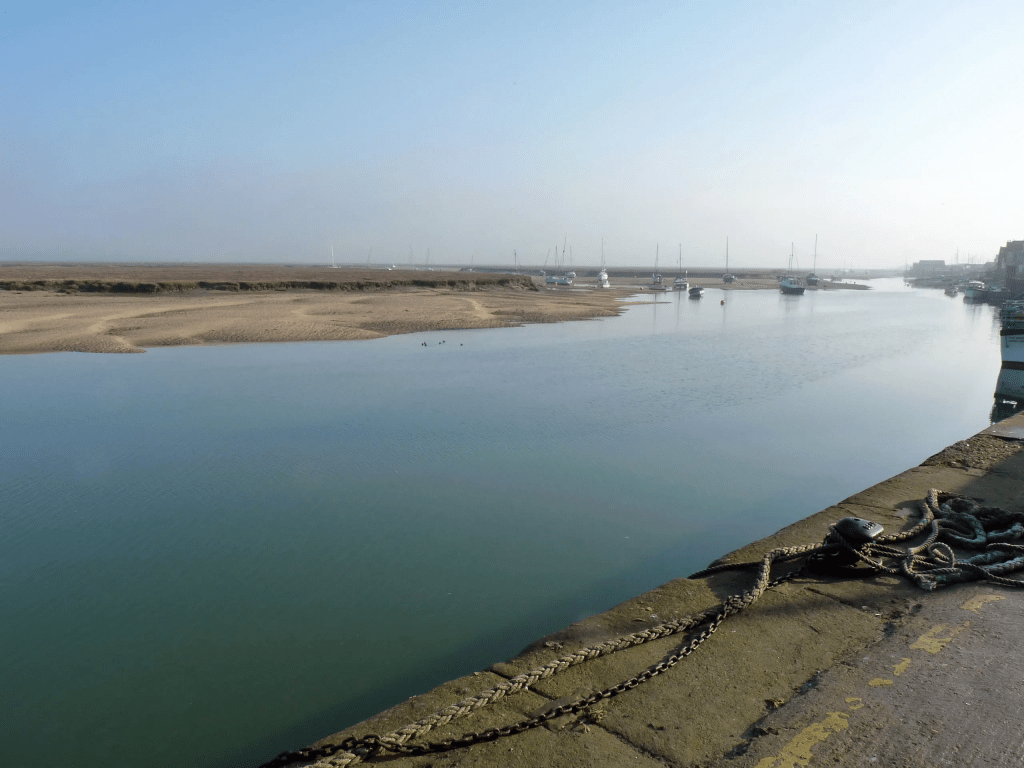
Fig 1: Image credit: Debbie Lyddon, featured in “Debbie Lyddon: Responding to environment – TextileArtist” — photographed at The Quay, Wells.
In her interview with TextileArtist.org, she describes how walking, listening, and collecting along the quay shapes her creative process, turning utilitarian cloth into vessels of sound, silence, and erosion.
The Quay B&B in Wells offers views across the harbour and salt marshes, echoing the very landscapes that inspire Debbie’s work. You can learn more about the location on The Quay B&B’s official site.
What resonates most deeply is her commitment to impermanence and sensory responses. She doesn’t just stitch cloth—she stitches sound, silence, and place. Her work reminds me that creativity doesn’t have to be loud or polished. It can be tilted, imperfect, and deeply felt.

Fig 2: Image credit: Debbie Lyddon, featured in “Debbie Lyddon: Responding to environment – TextileArtist” — photographed at The Creek, Morston.
Debbie Lyddon’s work. also responds to the mutable environment of The Creek, Morston, where tides, textures, and elemental shifts become collaborators in her creative process. As she shares in her TextileArtist.org interview, “I walk and I notice… things I hear or see, an interesting texture, or a movement caused by the wind or water.” These observations—often recorded as sketches or collected fragments—become the starting points for her soundwalks, stitched vessels, and sculptural cloth forms.
This post is a thank you to Debbie Lyddon—for reminding me that cloth can listen, and that making can begin again.
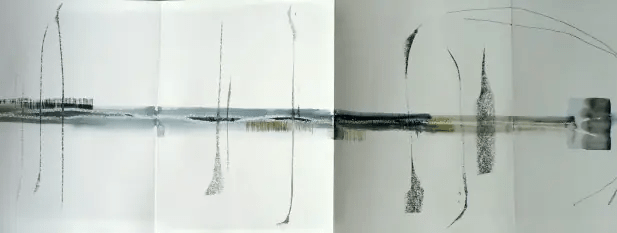
Fig 3: Image credit: Debbie Lyddon, featured in “Debbie Lyddon: Responding to environment – TextileArtist” — Soundwalk Drawing, detail – Debbie Lyddon
Debbie Lyddon’s Soundwalk Drawing series captures the ephemeral textures of coastal soundscapes, translating wind, water, and silence into stitched and drawn forms. As she shares in her TextileArtist.org interview, these works emerge from “quick pen sketches or written notes—things I hear or see, an interesting texture, or a movement caused by the wind or water.” Her practice invites a multisensory dialogue with place, where cloth becomes a vessel for noticing.
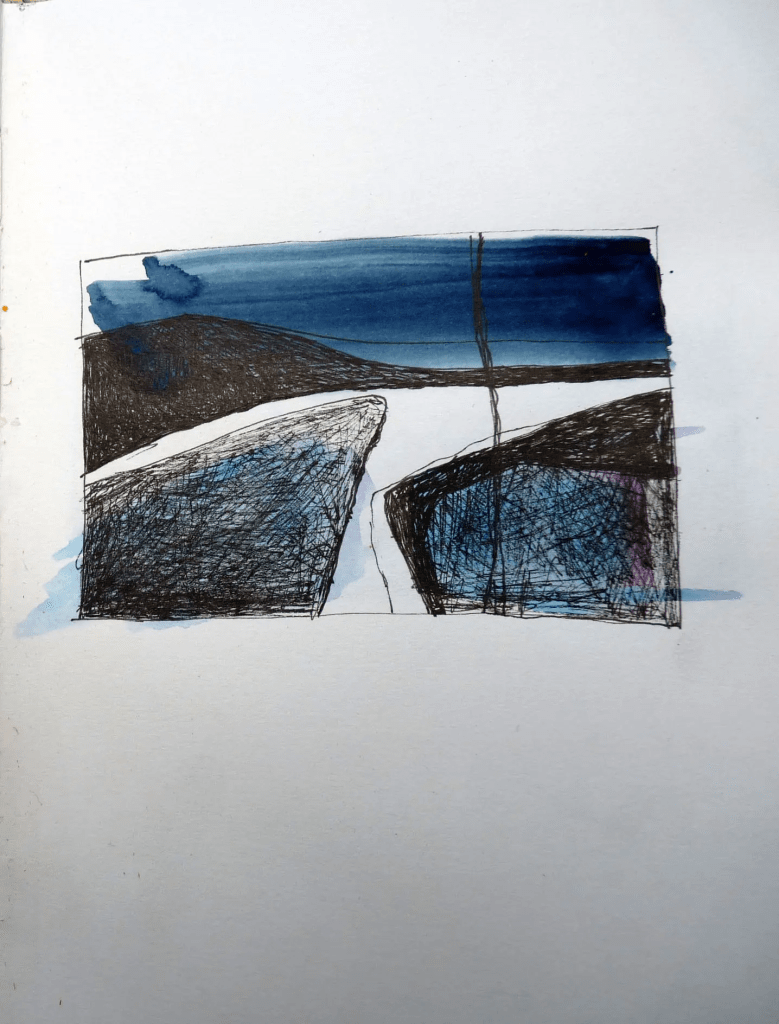
Fig 4: Image credit: Debbie Lyddon, featured in “Debbie Lyddon: Responding to environment – TextileArtist” — Sketchbook drawing by Debbie Lyddon
Debbie Lyddon’s sketchbook drawings serve as a tactile record of her sensory walks along the Norfolk coast. As she shares in her TextileArtist.org interview, “Sometimes I record these ‘noticings’ in a sketchbook – quick pen sketches or written notes – things I hear or see, an interesting texture, or a movement caused by the wind or water.” These pages, often layered with sound, texture, and elemental traces, become quiet companions to her stitched and sculptural work. You can view selected pages in the Sketchbook gallery.
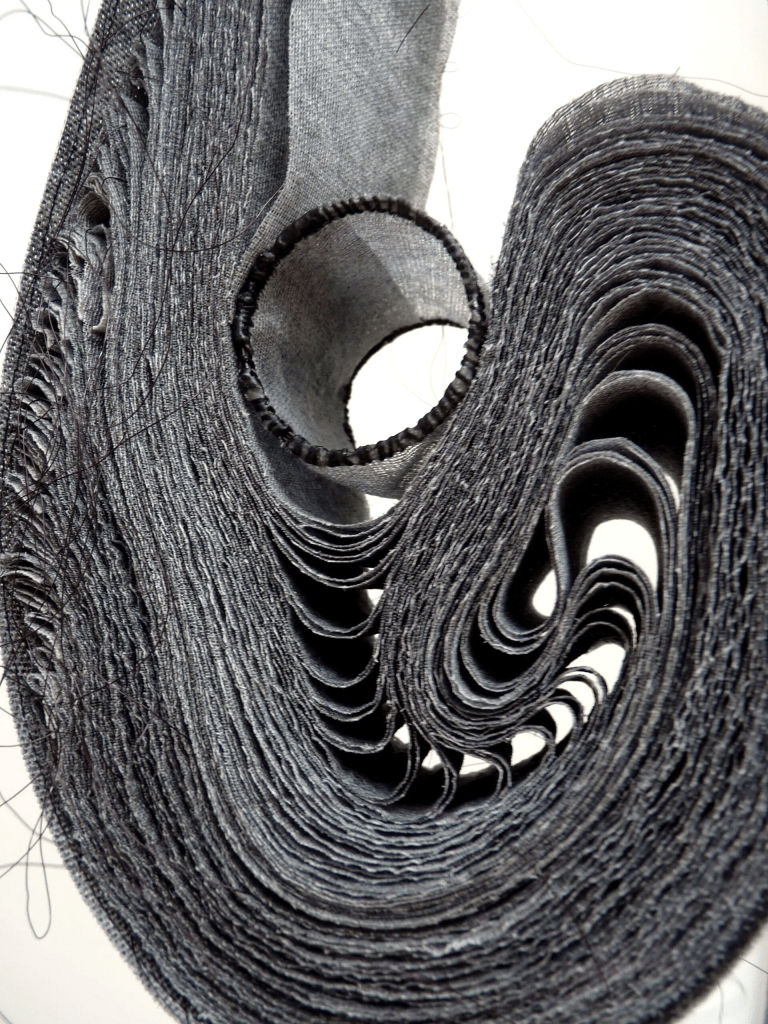
Fig 5: Image credit: Debbie Lyddon, featured in “Debbie Lyddon: Responding to environment – TextileArtist” — Sea Waves and Currents, detail – Debbie Lyddon
Debbie Lyddon’s Sea Waves and Currents work evokes the rhythmic, sculptural movement of water and wind along the North Norfolk coast. As she shares in her TextileArtist.org interview, her work is a response to “air, wind, water, light and sound”—the visible and invisible forces that shape the landscape. This particular piece, with its stitched undulations and layered textures, reflects her deep engagement with the processes of change that occur in tidal environments like Morston and Wells.
Join my mailing list to receive the latest articles, resources, and insights on art, sustainability, and design.
References:
Image Credits
 Rachel Bakewell