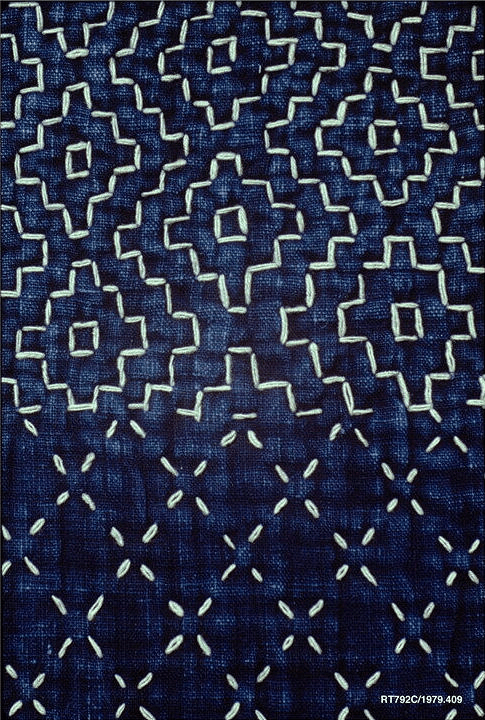
Fig 1: Albion Gould. “A Brief History of Sashiko in Japan.” Albion Gould, 26 June 2023. https://albiongould.com/a-brief-history-of-sashiko-in-japan/
Sashiko looks intricate, but at its heart it’s one of the simplest and most meditative textile practices you can try. With just needle, thread, and cloth, you can begin stitching patterns that connect you to a centuries-old tradition of repair and beauty.
Breakdown of the Characters
- 刺 (sashi) — from the verb sasu, meaning “to pierce” or “to stab.”
This reflects the act of stitching — tiny piercings through cloth. - 子 (ko) — literally means “child,” but in this context, it acts as a diminutive or affectionate suffix.
It softens the word, giving it a gentle, endearing tone — much like the quiet rhythm of sashiko itself.
Together, 刺し子 (sashiko) is often translated as “little stabs”, though that doesn’t quite capture its poetic depth. It’s not violent — it’s tender, rhythmic, and rooted in care and repair.
Key Characteristics
Fabric: Historically cotton or hemp; today, any sturdy cloth can be used.
Thread: Traditionally thicker than embroidery floss, soft and matte. White thread on indigo cloth is iconic, but modern sashiko embraces colour.
Stitch: Running stitch, often in repetitive patterns.
Patterns: Geometric motifs like waves (seigaiha), hemp leaves (asanoha), and interlocking circles (shippō-tsunagi).
What Is Sashiko?
Sashiko: A traditional Japanese embroidery technique using simple running stitches to reinforce, mend, and beautify cloth. Originally practiced by rural communities, especially farmers and fishermen, it was a way to extend the life of garments using white cotton thread on indigo-dyed fabric.
Over time, Sashiko evolved from necessity to art, and is now celebrated for its geometric patterns, meditative rhythm, and cultural depth.
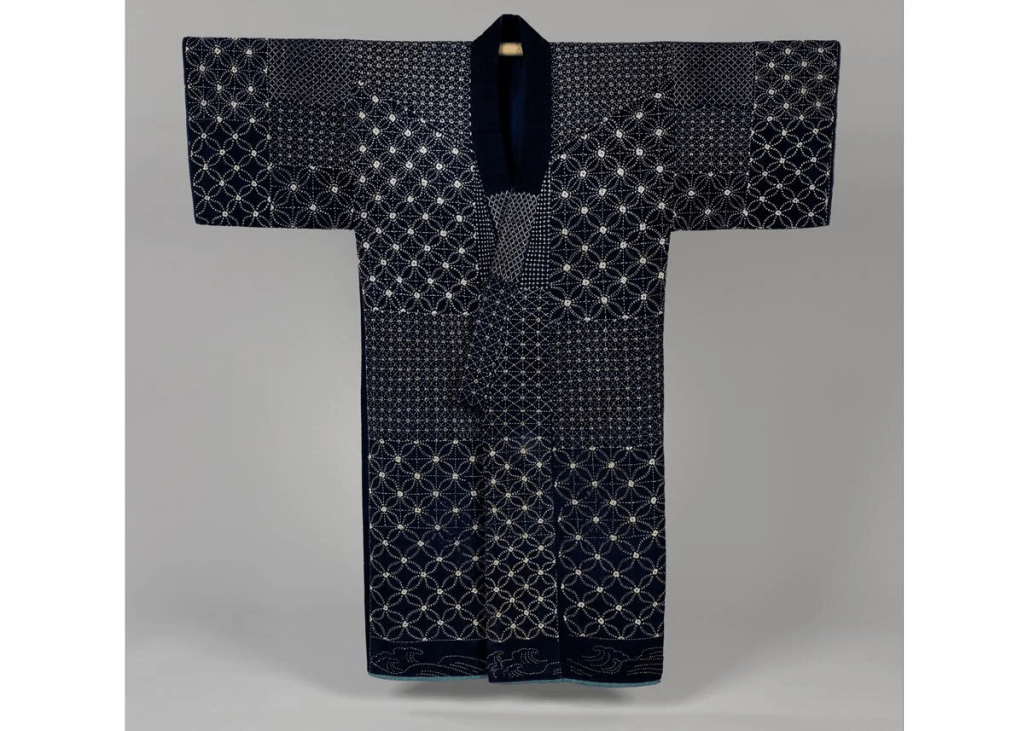
Fig 2: Tanabe, Michele. “What is Sashiko? 8 Things to Know About Japanese Embroidery.” Japan Objects, 2 Feb. 2024. https://japanobjects.com/features/sashiko
What You’ll Need
- Cloth: Indigo-dyed cotton is traditional, but any natural fibre (cotton or linen) works well. Darker fabrics make stitches stand out.
- Thread: Sashiko thread is thicker and matte. Embroidery cotton (separated into strands) can be used as a substitute.
- Needle: A long sashiko needle helps you load multiple stitches at once, but any sharp needle will do for beginners.
- Marking Tools: Fabric chalk or erasable pens for sketching patterns.
Basic Technique
Sashiko is built on the running stitch. The aim is not perfection but for rhythm. Load 3–6 stitches onto your needle before pulling it through, keeping stitches and gaps roughly even. Work slowly and enjoy the motion.
Patterns to Try
- Asanoha (Hemp Leaf): A radiating geometric star, symbolising growth and protection.
- Seigaiha (Blue Ocean Waves): Overlapping arches that evoke resilience and continuity.
- Kakinohana (Persimmon Flower): A simple cross-flower design, delicate and rhythmic.
What does Asanoha Represent?
- “Asa” means hemp, and “ha” means leaf — the pattern mimics the shape of hemp leaves.
- In Japan, hemp was historically used for clothing, especially before cotton became widespread.
- The Asanoha pattern has adorned Buddhist statues since the Heian period and is often used to symbolise:
- Healthy growth (hemp grows quickly and strong)
- Protection from harm or evil spirits
- Strength and vitality, especially in children’s clothing
what does Seigaiha Represent?
Seigaiha (青海波), meaning “blue ocean wave,” is a traditional Japanese pattern composed of layered concentric arcs that resemble gentle waves rippling across the sea. It’s one of the most enduring and poetic motifs in Japanese design.
what is the Symbolism of Seigaiha?
- Endurance & Resilience
Like waves that rise and fall endlessly, Seigaiha represents the ability to withstand life’s cycles and challenges with grace. - Peace & Tranquility
The soft, rhythmic arcs evoke calm seas — a visual metaphor for serenity, emotional balance, and inner stillness. - Good Fortune & Prosperity
The continuous flow of the pattern suggests abundance and blessings that ripple outward. - Connectivity & Continuity
The overlapping curves speak to interconnectedness — between people, nature, and time. It’s a quiet nod to legacy and shared experience.
Kakinohana (柿の花) means “persimmon flower” in Japanese — kaki (柿) is persimmon, and hana (花) is flower. It’s also the name of a beloved hitomezashi sashiko pattern, known for its quiet elegance and rhythmic simplicity.
Kakinohana Pattern: Meaning & Form
- Visual Structure:
Formed entirely from horizontal and vertical stitches, Kakinohana creates a grid-like motif that, when viewed as a whole, resembles the delicate shape of a persimmon blossom. - Symbolism:
- Gentle beauty — like the persimmon flower, which is modest and often overlooked.
- Resilience and nourishment — persimmons are hardy fruits, and their blossoms hint at quiet strength.
- Seasonal transition — persimmons ripen in autumn, so Kakinohana can evoke
- Cultural Use:
It’s one of the most accessible hitomezashi patterns, often taught to beginners because of its simplicity and meditative rhythm. Yet it holds depth.
Tips for Beginners
- Start small: try a coaster, patch, or sampler cloth.
- Don’t worry if stitches aren’t perfectly even — embrace the irregularity.
- Use sashiko to patch worn jeans, tea towels, or tote bags. Let the stitches become visible markers of care.
- Remember: sashiko began as a way to strengthen fabric, not decorate it. Keep that spirit of usefulness at the heart of your practice.
A Gentle Reminder
Sashiko offers more than just beautiful cloth — it offers a slower way of making, a pause in the rush of daily life, and a reminder that repair can be both practical and poetic. One stitch after another, you join a long tradition of makers who found meaning in the smallest of gestures.
References & Further Reading:
Here are some rich sources to explore:
- A Brief History of Sashiko in Japan – Albion Gould: Explores Sashiko’s origins, symbolism, and global influence.
- Japan Objects – What is Sashiko?: A beautifully written article covering its evolution, patterns, and use in contemporary fashion.
To stitch sashiko is to hold cloth, time, and care together in your hands
Free & Printable Sashiko Templates
- The Spruce Crafts – Free Repeating Patterns
Offers eight traditional designs with diagrams and stitching guides — perfect for beginners or quiet evening stitching. - Otherwise Amazing – Beginner-Friendly Patterns
Includes straight-line motifs like Sankaku (triangles) and Ajiro (wickerwork), ideal for coasters or visible mending. - Craftsy – Sashiko Introduction & Cloud Pattern
Explores traditional motifs like waves, arrows, and fish scales, with a poetic nod to Japanese folk heritage.
Purchase-Ready Stencils & Kits
- Etsy UK – Sashiko Templates & Stencils
Offers reusable stencils, visible mending kits, and downloadable PDFs — many from UK-based makers with slow stitching values. - Amazon UK – Sashiko Stencil Kits
Includes acrylic and plastic stencils in geometric and folk patterns, often bundled with needles and thread.
Image Credits:
Join my mailing list to receive the latest articles, resources, and insights on art, sustainability, and design.
 Rachel Bakewell