Few figures have left a lasting imprint on design and culture as William Morris (1834–1896). A pioneer of the Arts and Crafts movement, William Morris was not only a designer but also a poet, social reformer, and visionary who believed that beauty should be accessible to all. His life’s work championed craftsmanship, natural forms, and a profound respect for materials—principles that continue to resonate in today’s interiors.
A Life Rooted in Art and Idealism
Born in Walthamstow, England, William Morris was raised during the rapid industrialisation of Victorian Britain. Disturbed by the decline of traditional craftsmanship and the rise of cheap, mass-produced goods, he dedicated his career to restoring dignity to hand-made objects. He co-founded Morris & Co. in 1861, producing textiles, wallpapers, furniture, and stained glass that celebrated medieval craft traditions while embracing the beauty of nature.
Beyond his design practice, William Morris was also a writer, translator, and political activist. His socialism and ecological concerns were far ahead of their time, intertwining aesthetics with ethics. To Morris, art was not merely decorative—it was integral to living well and living responsibly.
Designs That Defined an Era
William Morris’s patterns are instantly recognisable: dense foliage, intertwining vines, and stylised flowers arranged in rich, repeating motifs. Iconic designs such as Strawberry Thief and Willow Boughs reflect his deep love of the English countryside. His work was painstakingly created using natural dyes and traditional techniques like block printing, which gave his textiles a warmth and depth that machine production could never replicate.
William Morris’s designs were not simply decorative—they carried a philosophy. By surrounding oneself with beauty rooted in nature and craftsmanship, he argued, life itself could be improved.
A Contemporary Revival
More than a century after his death, William Morris’s work feels more relevant than ever. In today’s interiors, his designs have experienced a powerful revival. Brands like Morris & Co., now part of Sanderson Design Group, continue to re-issue his wallpapers and fabrics, while collaborations with contemporary designers bring his motifs into modern contexts—from fashion collections to eco-conscious homeware.
In an era increasingly shaped by sustainability concerns, William Morris’s ethos resonates strongly. His emphasis on natural materials, respect for craft, and resistance to disposable culture align closely with today’s drive toward mindful living. A Morris wallpaper in a modern home is more than decoration—it’s a statement about valuing tradition, artistry, and connection to the natural world.
Living with Morris Today
Whether used boldly across a feature wall or subtly in soft furnishings, William Morris’s patterns offer more than Victorian nostalgia. They embody a timeless philosophy: that beauty and function should coexist, that homes should nurture the spirit, and that design, at its best, connects us to both history and nature.
As Morris himself famously declared, “Have nothing in your houses that you do not know to be useful or believe to be beautiful.” His vision continues to inspire—a reminder that true design endures, not through trends, but through integrity, imagination, and care.
William Morris Designs: A Timeless Selection
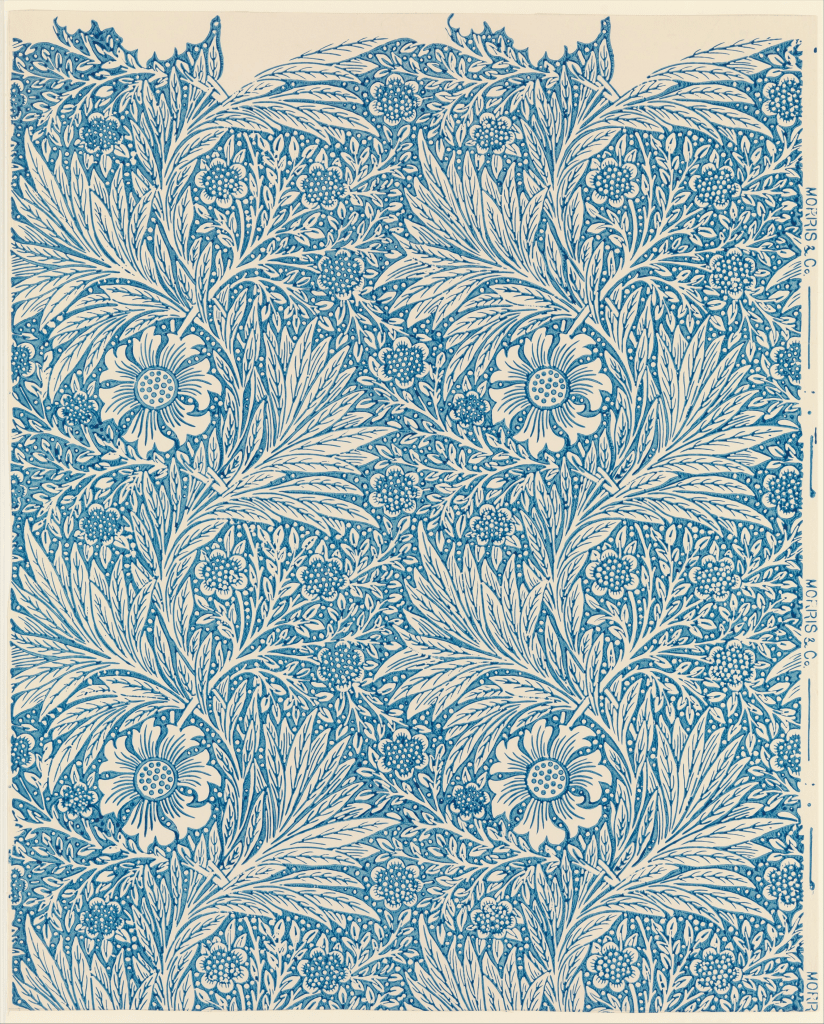
Fig 1: The Metropolitan Museum of Art holds a beautiful example of Marigold, a wallpaper design by William Morris, created in 1875 and printed by Jeffrey & Co. for Morris & Co. It’s part of their Drawings and Prints collection.
Marigold
- Designer: William Morris (British, 1834–1896)
- Medium: Block-printed in distemper colours
- Dimensions: 27 x 21½ in. (68.6 x 54.6 cm)
- Pattern: Large single blossoms amid leafy meanders, set over a ground of smaller flowers
- Colourways: Originally offered in blue (as seen in the Met’s version), dark red, and light brown
- Significance: Morris’s designs, including Marigold, helped raise British production standards and reflected his belief in beauty, imagination, and order.
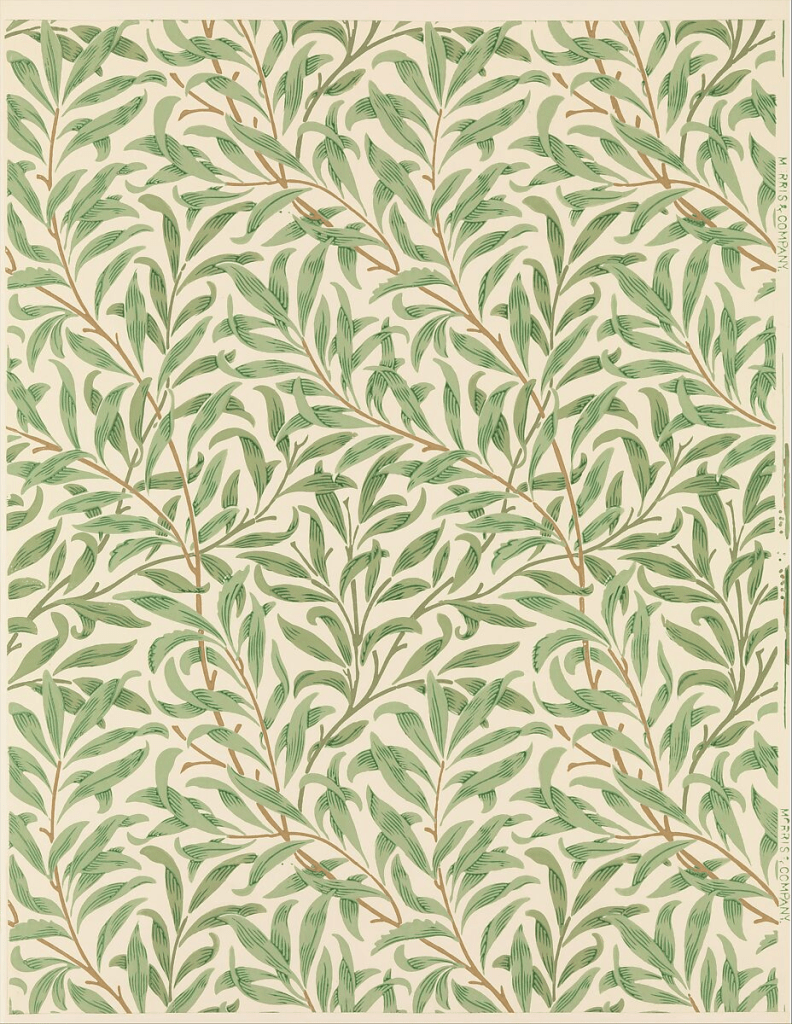
Fig 2: Willow Bough is one of William Morris’s most enduring wallpaper designs, and the Metropolitan Museum of Art holds a beautiful example in its Drawings and Prints collection.
Willow Bough – William Morris (1887)
- Designer: William Morris (British, 1834–1896)
- Manufacturer: Morris & Co
- Printer: Jeffrey & Co., London
- Medium: Block-printed in distemper colours on paper
- Dimensions: 27 × 21½ in. (68.6 × 54.6 cm)
- Motif: Interlaced green willow leaves and brown stems over a cream ground
- Style: More naturalistic than Morris’s earlier Willow (1885), which had flatter, stylised leaves

Fig 3: Pink and Rose is a late wallpaper design by William Morris, created around 1890 and held in the Drawings and Prints collection at the Metropolitan Museum of Art.
Pink and Rose – William Morris (ca. 1890)
- Designer: William Morris (British, 1834–1896)
- Manufacturer: Morris & Co
- Printer: Jeffrey & Co., London
- Medium: Block-printed in distemper colours on paper
- Dimensions: 27 × 21½ in. (68.6 × 54.6 cm)
- Motif: Intertwined stems of flowering carnations and roses, rendered in a clearly articulated repeating pattern
- Style: Characteristic of Morris’s late naturalistic phase, aiming to “turn a room into a bower” through native field and garden flowers
For me, William Morris’s work is more than history—it’s something I live with every day. I’ve chosen Willow Bough as the wallpaper in my studio, and its flowing leaves bring a sense of calm and connection to nature into my working space. Morris’s vision of uniting beauty, craft, and the natural world still feels profoundly relevant today. His designs are timeless reminders that art is not just something to be admired, but something to be lived with—woven into the rhythm of our everyday lives.
Further Reading:
William Morris – The King of Pattern and Textile Design
A rich overview of Morris’s philosophy, design legacy, and social reform ideals. It explores how his work in wallpaper, embroidery, and furniture design shaped the Arts and Crafts Movement and continues to influence sustainable design today.
William Morris textiles – Victoria & Albert Museum
An in-depth look at Morris’s textile techniques and the V&A’s extensive collection. Covers embroidery, tapestry, and commercial production, with emotional insights into his domestic and ecclesiastical commissions.
Disclaimer
The designs of William Morris shared in this post are historical works that are now in the public domain. They are reproduced here for educational and informational purposes only. Contemporary products featuring Morris’s designs are produced under license by companies such as Morris & Co. (Sanderson Design Group). This post does not claim any affiliation with or endorsement from these rights holders.
References:
Websites:
Image Credits:
 Rachel Bakewell