Image credit: Claire Gaffney via Unsplash
In Japanese, the word boro (ぼろ) literally means “tattered” or “ragged.” Yet in the world of textiles, boro has become a symbol of endurance, resourcefulness, and beauty born from necessity.
What is Boro?
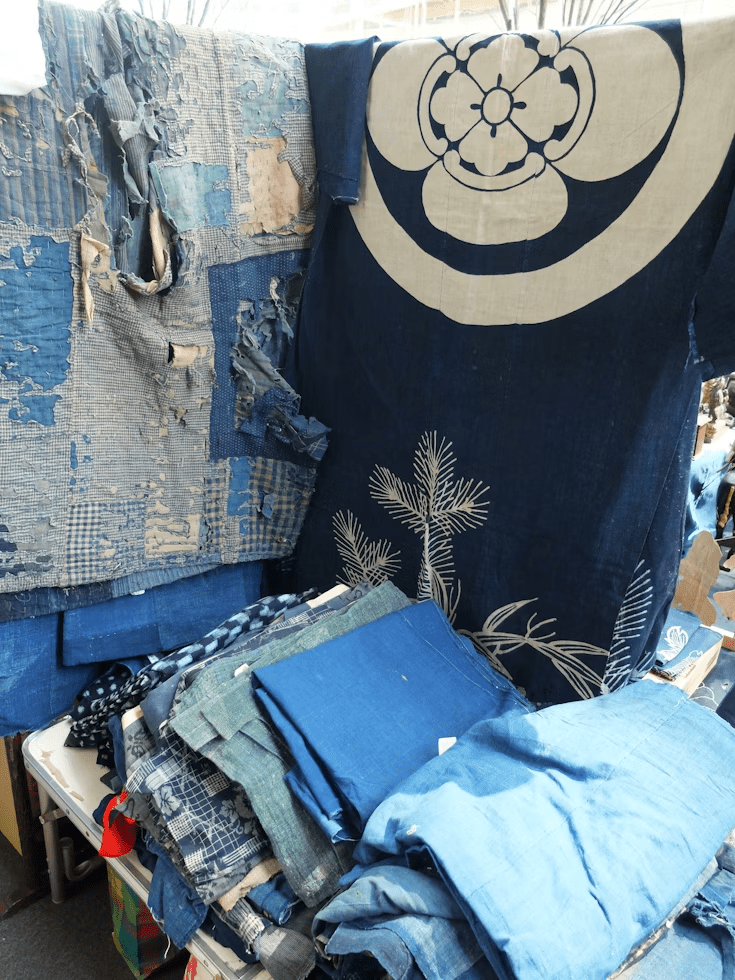
Boro refers to cloth that has been patched and re-patched over generations. Traditionally, families in rural Japan had limited access to new fabric, so they mended clothing, futons, and work garments using indigo-dyed cotton scraps. Layer upon layer of stitching creates rich, textured textiles that are now celebrated as works of art.
A Story of Sustainability
In a modern world of fast fashion, boro reminds us of a different relationship with textiles — one that values repair over replacement. Rather than hiding imperfections, boro highlights them with visible stitches (sashiko), turning flaws into features. Each stitch is a record of care, necessity, and creativity.
Boro Today
What was once born out of poverty and survival has become a cherished aesthetic worldwide. Contemporary designers, artists, and textiles enthusiasts embrace boro techniques for:
- Slow fashion & mending → extending the life of garments.
- Artistic expression → each patchwork piece is unique.
- Cultural appreciation → honouring Japan’s craft heritage.
Why It Matters
Boro teaches us that textiles carry stories. Every patch is a memory, every stitch is an act of preservation. In celebrating boro, we’re not just appreciating fabric — we’re recognising resilience, sustainability, and the beauty of imperfection.
Yes, Rachel—here are some thoughtful and well-researched references you can use to deepen your blog post on boro, especially if you’re exploring its sustainability, emotional resonance, and historical context:
Further Reading
1. Boro Living: The Complete Guide to Japan’s Sustainable Textile Art
- Offers a comprehensive overview of boro’s origins, techniques, and cultural significance.
- Explores mottainai (regret over waste) and how boro embodies resourcefulness and resilience.
- Includes distinctions between authentic boro and modern interpretations.
2. BeBe Bold: Boro—The Art of Japanese Mending and Sustainable Beauty
- Highlights boro’s roots in rural Japan, especially in the Tohoku region.
- Discusses sashiko stitching and indigo dyeing as core techniques.
- Frames boro as a philosophy of repair and creative survival.
References:
Images:
 Rachel Bakewell