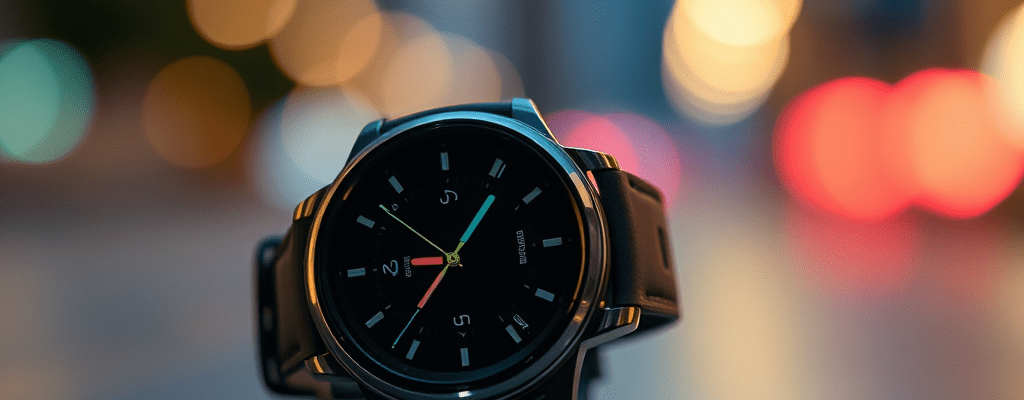
In a world dominated by visuals and sound, there’s another powerful sense that’s often overlooked: touch. Enter haptic mapping, an emerging technology that uses tactile feedback — vibrations, textures, or forces — to represent spatial information. It’s revolutionising how people navigate and interact with digital and physical environments alike.
What Is Haptic Mapping?
At its core, haptic mapping is the use of tactile sensations to convey map data. Instead of (or alongside) visual cues, users receive information through touch — often via vibrations, pressure, or motion feedback delivered by devices like smartphones, wearables, or specialised haptic interfaces.
For example, a smartwatch may vibrate differently when you need to turn left versus right, or a navigation cane could pulse to indicate an obstacle or change in direction. Haptic mapping turns spatial awareness into a sensory experience that you can feel.
Why Haptic Mapping Matters
Haptic mapping is not just a novelty — it’s a game-changer in multiple domains:
Accessibility and Inclusion
For people with visual impairments, haptic maps open new pathways for independent navigation. Instead of relying solely on audio cues, users can receive subtle, intuitive tactile guidance that doesn’t interfere with listening or spatial awareness.
Enhanced User Experience
In vehicles, gaming, and augmented reality, haptic feedback deepens immersion. Drivers can feel route changes without looking at screens; gamers can feel terrain changes beneath virtual footsteps; AR users can “touch” digital spaces.
Situational Awareness
When visual or auditory attention is occupied — such as in military operations, aviation, or sports — haptic feedback can silently convey essential information. It adds a third communication channel beyond sight and sound.
How It Works
Modern haptic mapping systems rely on a mix of sensors, actuators, and algorithms to translate map data into touch-based experiences.
- Sensors detect location, orientation, and proximity.
- Actuators generate tactile feedback — from small phone vibrations to complex force-feedback gloves.
- Mapping algorithms interpret spatial layouts and create “haptic textures” that correspond to roads, walls, or landmarks.
Some advanced prototypes even use electrostatic friction or shape-changing surfaces to simulate the feeling of different terrains or materials under your fingertips.
Real-World Applications
- Assistive Navigation: Tools like the HaptiMap project and WeWALK Smart Cane are pioneering tactile wayfinding for visually impaired users.
- Automotive Design: Car dashboards now include subtle haptic cues for lane changes or blind-spot alerts.
- Virtual Reality (VR): Developers use haptic mapping to create more lifelike virtual spaces — where you can literally feel your surroundings.
- Education and Urban Planning: Tactile maps help users understand spatial layouts through touch, improving engagement and comprehension.
The Road Ahead
As haptic technology matures, we’re moving closer to a world where maps aren’t just seen or heard — they’re felt. Future smartphones, wearables, and even AR glasses may include built-in haptic mapping interfaces that seamlessly blend with our sensory experience.
The challenge ahead lies in standardisation (how should a “left turn” feel?) and integration with existing navigation tools. But one thing is certain: touch will play a central role in the next evolution of spatial computing.
Final Thoughts
Haptic mapping represents more than a technological innovation — it’s a step towards multi-sensory computing, where humans and machines communicate through a richer, more natural interface. As the boundaries between digital and physical worlds blur, our fingertips may soon become the next frontier in navigation.
References:
- European Commission. Haptic, Audio and Visual Interfaces for Maps and Location-Based Services (HaptiMap). CORDIS Project ID 224675. 2008–2012.
- Rafferty, K. HaptiMap Toolkit. Queen’s University Belfast.
- Heuten, W., Boll, S., Pielot, M., Poppinga, B. et al. Publications from HaptiMap Project. OFFIS, 2009–2010.
 Rachel Bakewell