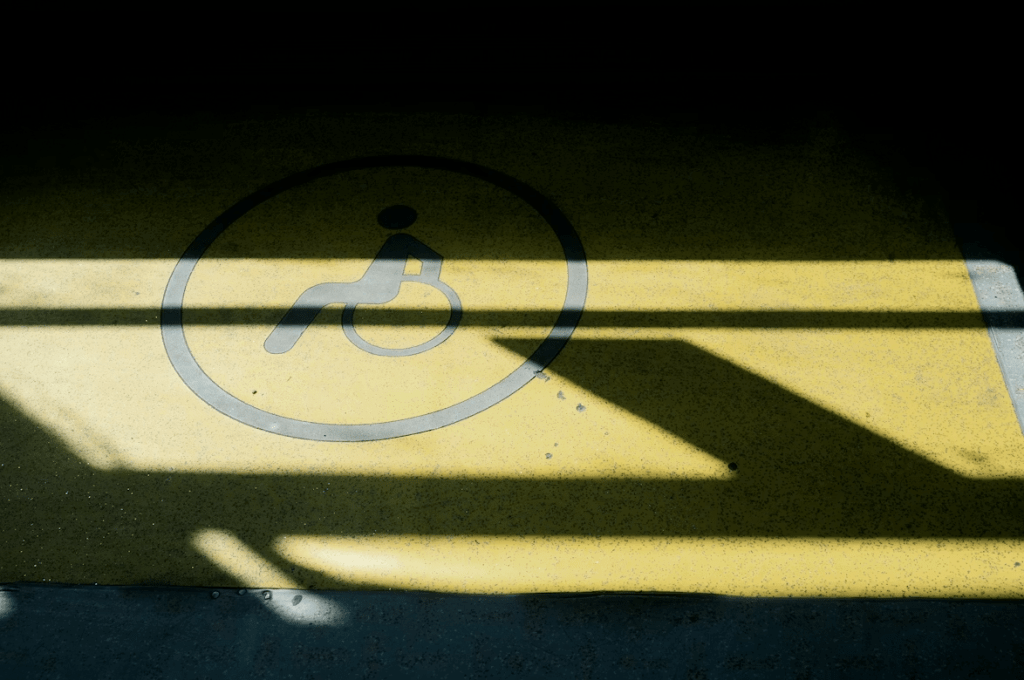
Image Credit: Nguyen Minh via Unsplash
Over the past few months, my world became much smaller.
For around three months I was largely housebound while dealing with new and unfamiliar Functional Neurological Disorder (FND) symptoms. Symptoms I had to learn, understand, and adapt to all over again. That period was one of the most challenging times I’ve experienced, not only physically, but emotionally and mentally too.
Being in pain every day changes how you move through the world. Simple movements became painful and exhausting, and tasks I once did without thinking suddenly required planning, rest, and caution. There were days when even moving around my own home felt overwhelming. That loss of ease — of spontaneity — is something people often don’t realise is so deeply felt when you live with a disability.
What affected me just as much was the isolation. Being housebound meant long stretches without seeing people face to face. I felt cut off from the outside world, from routine, from the sense of normality that many take for granted. At times, that isolation led to feelings of helplessness and fear — especially fear about the future. When your body behaves unpredictably, it’s hard not to worry about what lies ahead.
This experience forced me to confront just how difficult life can be when you’re disabled, particularly when symptoms change or worsen. It also highlighted the extra costs involved — increased heating, transport challenges, medical expenses, and adaptive equipment. These worries weighed heavily on me, especially during a time when I felt less able to manage things independently.
Losing independence is something I’m still learning to come to terms with. Not being able to leave the house freely or do things on my own schedule made me feel trapped in my own home. That sense of confinement isn’t just physical — it affects your confidence, your identity, and how you see yourself.
Despite how frightening this period was, it also taught me something important: awareness matters. FND is still widely misunderstood, and disability is often viewed in overly simple terms — as either “able” or “not.” The reality is much more complex. Symptoms can fluctuate. Needs can change day to day. Someone can be doing their best to cope and adapt while still struggling.
I want to be clear that I am actively trying to help myself as much as possible. Learning my limits, using coping strategies, accepting support where needed, and adjusting expectations are all part of that process. Living with a disability doesn’t mean giving up — it means adapting in ways most people never have to think about.
By sharing this, my goal isn’t sympathy. It’s understanding. Disability can happen to anyone, and it often comes with hidden struggles: emotional strain, financial pressure, isolation, and fear — alongside the physical symptoms. Raising awareness means acknowledging all of that, not just what can be seen.
If this experience has taught me anything, it’s that compassion — for ourselves and for others — is essential. Life with a disability can be incredibly hard, but being heard and understood makes a difference.
Thank you for taking the time to read and to learn.
References:
Image:
Website:
 Rachel Bakewell