found drowned (1848-1850) – george frederic watts

Artist: George Frederic WattsDate: Circa 1848–1850Medium: Oil on canvasLocation: Tate Britain, LondonDimensions: 864 × 508 mm About the Painting Found Drowned portrays the lifeless body of a young woman washed up under a bridge in the River Thames. The setting is dark and desolate. The figure lies draped in wet, clinging fabric. A faint city… Read More found drowned (1848-1850) – george frederic watts

the ashton-under-lyne union workhouse: threads of history in gee cross and beyond

While workhouses were widespread across 19th-century Britain, each had its own unique history, shaped by the local economy, population, and industrial development. The Ashton-under-Lyne Union Workhouse, which served Gee Cross and the surrounding areas of Greater Manchester, was a prime example of how these institutions evolved alongside Britain’s textile-driven industrial age. From Fletcher Street to… Read More the ashton-under-lyne union workhouse: threads of history in gee cross and beyond

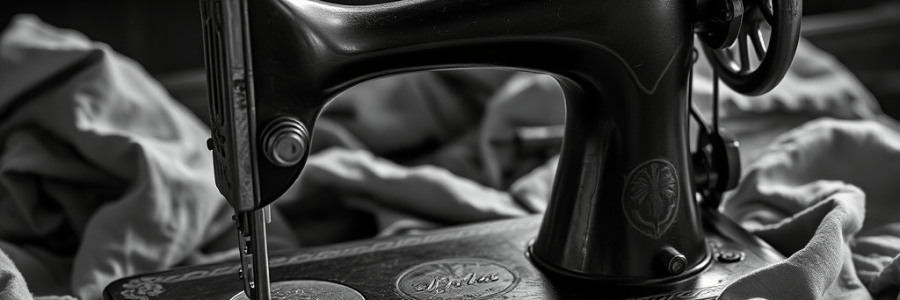
inside the workhouse: harsh realities, silent stitches

In 19th-century Britain, the word workhouse struck fear and shame into the hearts of the poor. Established under the Poor Law Amendment Act of 1834, these institutions were designed to deter people from seeking public assistance by offering a last resort: food and shelter in exchange for hard, monotonous labour. Though framed as charity, the… Read More inside the workhouse: harsh realities, silent stitches

ayurvastra: the healing fabric of ancient wisdom

Ayurvastra, is an ancient Indian textile tradition meaning “life cloth,” and is experiencing a revival as a natural remedy for wellness. Made from organic fibres and dyed with medicinal herbs, it promotes health and sustainability. Through traditional methods, Ayurvastra supports healing, complements conventional medicine, and underscores slow fashion values while benefiting artisan communities.… Read More ayurvastra: the healing fabric of ancient wisdom

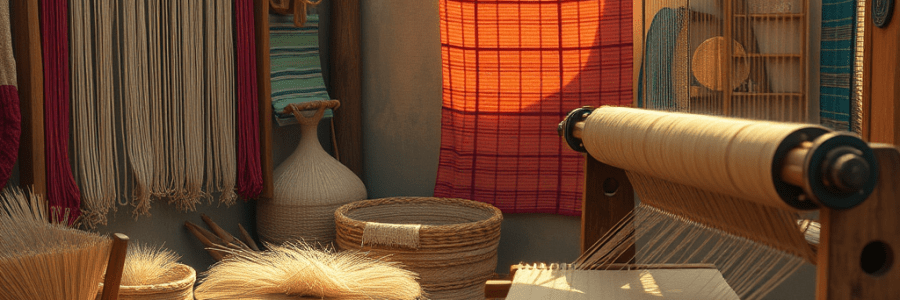
weaving the past into the future: the significance of preserving & reinventing heritage textile techniques

In a world increasingly shaped by automation and fast fashion, the traditional arts of textile-making—spinning, dyeing, weaving, and embroidery—are often overshadowed. Yet, heritage textile techniques remain vital not only for their aesthetic and cultural value but also for what they can teach us about sustainability, craftsmanship, and community. Preserving and reinventing these practices is more… Read More weaving the past into the future: the significance of preserving & reinventing heritage textile techniques

fabric treatments through time: historical approaches to fabric softening & medicinal textiles

From ancient civilizations to early industrial societies, textiles have served not just to clothe the body but to comfort, heal, and soothe. Long before synthetic softeners and antimicrobial coatings, communities around the world developed natural methods for treating fabrics to enhance their texture and even their medicinal properties. This article explores the fascinating historical approaches… Read More fabric treatments through time: historical approaches to fabric softening & medicinal textiles

lorina bulwer: the embroidered outcry of a forgotten voice

Fig 1 Lorina Bulwer Textile Sampler Fig 2 Shoddy Exhibition Lorina Bulwer was an English woman who lived during the Victorian era and is remembered today not through conventional records or fame, but through a series of extraordinary, emotionally charged embroidered samplers. Created during her confinement in a workhouse in Great Yarmouth, Norfolk, her needlework… Read More lorina bulwer: the embroidered outcry of a forgotten voice