threads of memory: the connection between storytelling textiles & heritage-driven design

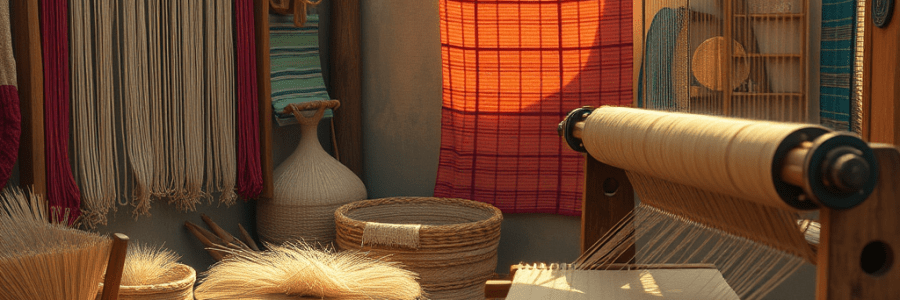
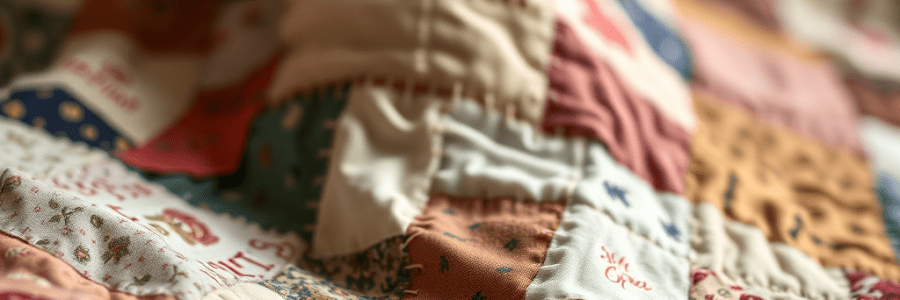
There’s something so evocative about the phrase “threads of memory.” I love how it captures the way fabric can hold stories, a narrative—whether it’s a scrap of cloth from a loved one’s garment or a hand-stitched detail that has been passed down through generations. It reminds me that textiles are not just materials; they’re keepers… Read More threads of memory: the connection between storytelling textiles & heritage-driven design

Sustainable Materials: About Banana Fibre

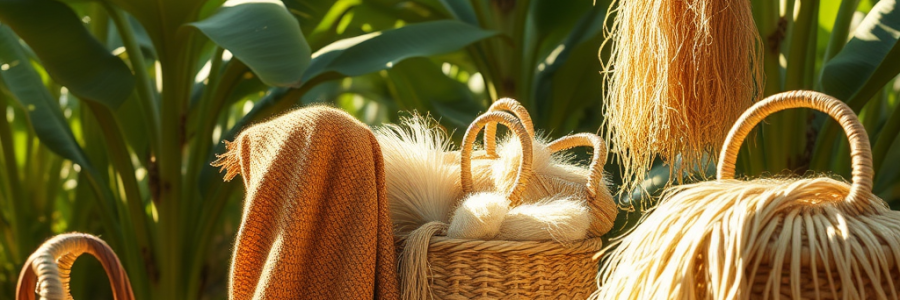
Banana fibre is a sustainable textile derived from banana plant pseudostems, repurposing agricultural waste and minimsing environmental impact. It’s strong, biodegradable, and suitable for clothing, home textiles, and handicrafts. Additionally, it supports sustainable practices with minimal chemical processing and renewable resources, offering unique textures for various applications.… Read More Sustainable Materials: About Banana Fibre

organic cotton fabric: what makes it different and why it matters

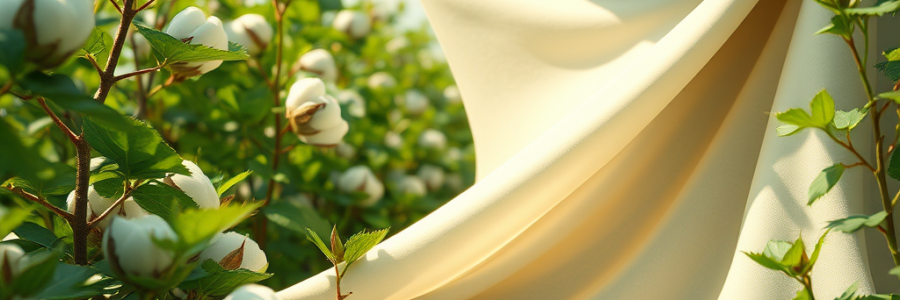
Organic cotton is a sustainable alternative to conventional cotton, lacking harmful chemicals and supporting better farming practices. Unlike traditional methods, organic farming uses natural processes for pest management and prioritises worker rights. While more costly, organic cotton promotes healthier ecosystems and offers softer fabric options, making it a responsible choice for consumers.… Read More organic cotton fabric: what makes it different and why it matters

understaind dosing techniques: precision, sustainability, and practice

In a world increasingly focused on sustainability, the way we measure, apply, and manage materials—what some call “dosing techniques”—can make a significant difference. Whether in natural dyeing, sustainable printing, or using resources mindfully in textile work, dosing isn’t just about quantity; it’s about intention and balance. This post explores how sustainable dosing techniques can help reduce waste, improve efficiency, and support more thoughtful creative practices. For anyone looking to make their craft more environmentally responsible, understanding how to dose materials sustainably is a valuable step forward.

Read More understaind dosing techniques: precision, sustainability, and practice

Naturally Beautiful: Tips for Getting Started with Natural Dyeing

Natural dyeing has gained in popularity as a sustainable way to rejuvenate fabrics using plant-based pigments. By selecting natural fibres, appropriate mordants, and understanding dye processes, enthusiasts can create unique colours. Experimentation with pH can yield varied shades, making natural dyeing a creative and sustainable practice for upcycling textiles.… Read More Naturally Beautiful: Tips for Getting Started with Natural Dyeing

Fashion Meets the Future: Lyocell and the Brands Leading the Sustainability Movement

As the fashion industry continues to confront its environmental impact, innovative materials like Lyocell are paving the way for a more sustainable future. Made from wood pulp using closed-loop processes, Lyocell offers a biodegradable, breathable, and sustainable alternative to traditional fabrics. In this post, we explore how Lyocell is transforming the way we think about clothing—highlighting the pioneering brands leading the charge and proving that style and sustainability can go hand in hand.

Read More Fashion Meets the Future: Lyocell and the Brands Leading the Sustainability Movement

Lyocell: The Sustainable Fabric You Didn’t Know you Needed

Lyocell is a sustainable fabric made from regenerated cellulose, typically sourced from trees like eucalyptus. Its sustainable closed-loop production process recycles up to 99% of solvents, making it preferable to cotton. Renowned brands like Patagonia, Eileen Fisher, and Allbirds are incorporating Lyocell for its softness, breathability, and environmentally responsible qualities.… Read More Lyocell: The Sustainable Fabric You Didn’t Know you Needed

Bamboo Fabric: The Good, The Bad & How It’s Made

Bamboo fabric, derived from the pulp of bamboo plants, offers varying sustainability levels based on the processing method used. Bamboo viscose involves harmful chemicals, while bamboo lyocell and linen are more sustainable alternatives. Its benefits include softness, breathability, and biodegradability, but consumers should verify sources to avoid greenwashing.… Read More Bamboo Fabric: The Good, The Bad & How It’s Made

Sustainable Style Spotlight: What’s the Deal with Tencel?

Tencel, a brand by Lenzing AG, includes sustainable fibres Lyocell and Modal made from sustainably sourced wood pulp. This sustainable material is soft, breathable, and biodegradable. Its closed-loop production process minimises waste and chemicals. Tencel is popular in various apparel and bedding, making sustainable fashion accessible and stylish.… Read More Sustainable Style Spotlight: What’s the Deal with Tencel?

How to Dye Wool Naturally in a Sustainable Way

The author shares their initial struggles with natural wool dyeing, emphasising the importance of preparation, including selecting the right mordant and securing skeins. They outline sustainable dye sources, proper wool preparation, and a step-by-step dyeing process. The guide promotes environmental mindfulness, encouraging readers to pursue natural dyeing with minimal impact.… Read More How to Dye Wool Naturally in a Sustainable Way