The Greenwashing of Sustainable Laundry Detergents

Laundry detergents often claim sustainability but can engage in greenwashing, misleading consumers about their environmental impact. Many products feature vague labels, incomplete ingredient transparency, and excessive packaging, while some brands exaggerate their eco-friendliness. To support genuine sustainability, consumers should seek transparency, reliable certifications, and ethical brand practices.… Read More The Greenwashing of Sustainable Laundry Detergents
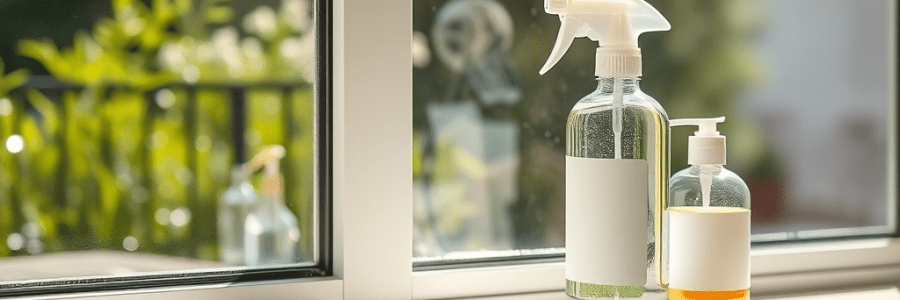
Natural Vs Synthetic Ingredients in Skincare and Cleaning: Benefits and Tips for Use

In a world of skin care and cleaning products, consumers often face the dilemma of choosing between natural and synthetic ingredients. While natural ingredients are derived from plants, minerals, or animals, synthetic ingredients are created through chemical processes in laboratories. Each has its own advantages and potential drawbacks. Understanding their benefits and how to use… Read More Natural Vs Synthetic Ingredients in Skincare and Cleaning: Benefits and Tips for Use

Sustainable Alternatives to Bleach: Kind to the Environment, Tough on Stains

Bleach is a common cleaning agent but poses environmental and health risks. Alternatives such as white vinegar, hydrogen peroxide, baking soda, and lemon juice are effective and sustainable options. Transitioning to these sustainable cleaners improves home safety and lessens environmental impact, promoting a cleaner home and planet.… Read More Sustainable Alternatives to Bleach: Kind to the Environment, Tough on Stains

How to Make Sustainable Wet Wipes-part of the soft source for living series

Homemade wet wipes offer a sustainable alternative to store-bought options, eliminating harmful chemicals and reducing waste. Using soft, natural fabrics and simple ingredients like distilled water, Castile soap, and aloe vera, these DIY wipes are gentle on sensitive skin, cost-effective, and customisable. They promote environmental health while ensuring personal hygiene.… Read More How to Make Sustainable Wet Wipes-part of the soft source for living series

DIY Sustainable Glass Cleaner-Part of The Soft Source For Living Series

This content outlines how to create a sustainable glass cleaner using simple ingredients like distilled water, white vinegar, and optional rubbing alcohol. It details the preparation process, shelf life, usage tips, and offers alternative ingredients for those who dislike vinegar. The DIY cleaner is cost-effective, customisable, and sustainable.… Read More DIY Sustainable Glass Cleaner-Part of The Soft Source For Living Series

How to Make Your Own Sustainable Blusher-part of the soft source for living series

Blushers enhance complexion but often come in wasteful packaging and contain synthetic ingredients. Making your own sustainable blusher allows customisation, uses skin-friendly ingredients, and reduces environmental impact. It’s cost-effective and rewarding, providing control over the product while supporting sustainable practices. Simple natural ingredients can help create unique shades.… Read More How to Make Your Own Sustainable Blusher-part of the soft source for living series

HOW TO MAKE YOUR OWN SUSTAINABLE WOOL DRYER BALLS (USING ESSENTIAL OILS)-PART OF THE SOFT SOURCE FOR LIVING SERIES

Eco-conscious living has led to the popularity of DIY wool dryer balls, which are reusable, sustainable alternatives to dryer sheets. Made from 100% wool, they enhance laundry by reducing drying time, static, and wrinkles, while providing customisation with essential oils. Crafting these balls is simple, cost-effective, and environmentally beneficial.… Read More HOW TO MAKE YOUR OWN SUSTAINABLE WOOL DRYER BALLS (USING ESSENTIAL OILS)-PART OF THE SOFT SOURCE FOR LIVING SERIES

DIY Sustainable Shampoo-part of the soft source for living series

Making your own shampoo with natural ingredients is an sustainable choice that promotes healthy hair and scalp. DIY shampoos avoid harsh chemicals, reduce plastic waste, and can be customised for various hair types. Key ingredients include castile soap, aloe vera, and essential oils, providing gentle cleansing and nourishment.… Read More DIY Sustainable Shampoo-part of the soft source for living series

Sustainable Materials: Lotus Stem Fabric: A Sustainable Innovation in Textiles

Lotus stem fabric, or lotus silk, is a sustainable textile derived from lotus plant fibres, combining tradition with modern eco-consciousness. Originating in Myanmar, it has become valued for its luxurious qualities, including softness and breathability. The production is labour-intensive but environmentally friendly, supporting artisan livelihoods and promoting sustainable fashion.… Read More Sustainable Materials: Lotus Stem Fabric: A Sustainable Innovation in Textiles

Make Your Own Sustainable Deodorant: A Natural Alternative

As environmental awareness grows, many seek sustainable everyday products. Homemade deodorant, which avoids plastic and harmful chemicals, offers a natural, customisable, and cost-effective alternative. Key ingredients like baking soda, coconut oil, and essential oils provide health benefits while reducing waste. This simple recipe promotes a healthier lifestyle and minimal environmental impact.… Read More Make Your Own Sustainable Deodorant: A Natural Alternative