Adire: Indigo’s Stories From West Africa
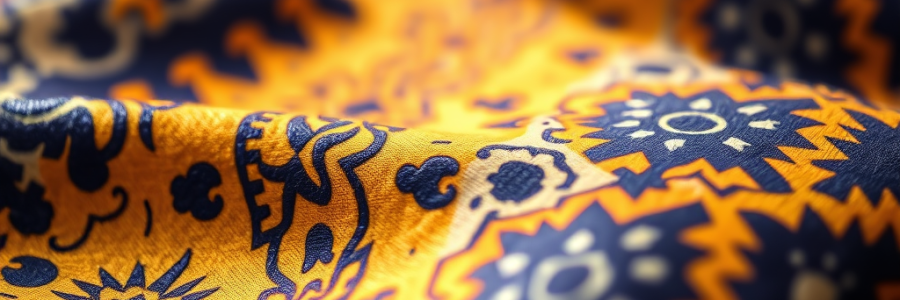
Adire, a traditional indigo-dyed cloth from Nigeria’s Yoruba people, embodies stories through its intricate patterns. Emerging from early 20th century Abeokuta, Adire is a female-led craft linking heritage to modern expression. Sustainable and tactile, its designs encapsulate cultural identity, with contemporary artists revitalising this timeless textile tradition.… Read More Adire: Indigo’s Stories From West Africa
Shibori: The Language of Folded Cloth

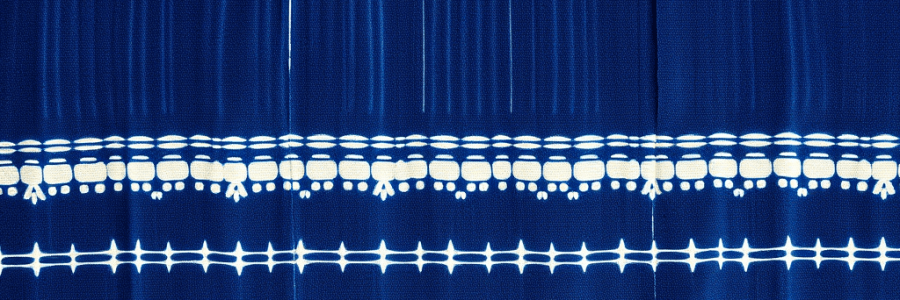
Shibori is a Japanese resist dyeing technique emphasising a dialogue between fabric and intention, dating back over 1,300 years. Historically linked to kimono making, it transforms textiles through methods like tie-dye and binding. Shibori embodies wabi-sabi values, promoting sustainability and contemporary artistic revival while fostering a mindful approach to design.… Read More Shibori: The Language of Folded Cloth

stitching sustainability: how textile practice can reclaim waste

Slow textile practices like mending, dyeing, and patchwork are ways to resist a culture of disposability, transforming waste into emotional connections and stories. This approach honors imperfections, creating relationships between materials and memories, fostering emotional sustainability. By reshaping discarded textiles, these rituals of repair celebrate the beauty in flaws and reflect a deeper value in craft.… Read More stitching sustainability: how textile practice can reclaim waste

advanced sashiko: stitching time, memory & meaning

Sashiko is more than technique — it’s a quiet choreography of care. Once a rural necessity, now a poetic practice, sashiko invites us to stitch not just cloth, but time, memory, and meaning. This guide offers deeper insight into motif symbolism, regional styles, and creative adaptation — all while honouring sashiko’s roots in resilience and… Read More advanced sashiko: stitching time, memory & meaning

the beauty of boro: japan’s tradition of visible mending

Image credit: Claire Gaffney via Unsplash In Japanese, the word boro (ぼろ) literally means “tattered” or “ragged.” Yet in the world of textiles, boro has become a symbol of endurance, resourcefulness, and beauty born from necessity. What is Boro? Boro refers to cloth that has been patched and re-patched over generations. Traditionally, families in rural… Read More the beauty of boro: japan’s tradition of visible mending

designing for calm: a sensory approach to sustainable living

Image Credit: Mesut çiçen via Unsplash Series Introduction In a world that often feels overstimulated and overcomplicated, the pursuit of calm is no longer a luxury—it’s a necessity. Beginning on the 4th October, this six-part series explores how design can be a powerful tool for cultivating calm—not just in our homes and cities, but in… Read More designing for calm: a sensory approach to sustainable living

slow stitching: sustainability through needle & thread

See image credits (below) In an age of fast fashion and disposable goods, slow stitching offers an antidote—a practice rooted in care, patience, and sustainability. At its heart, slow stitching is more than just thread on fabric; it’s about valuing time, honouring materials, and creating something that carries meaning beyond its stitches. What Is Slow… Read More slow stitching: sustainability through needle & thread