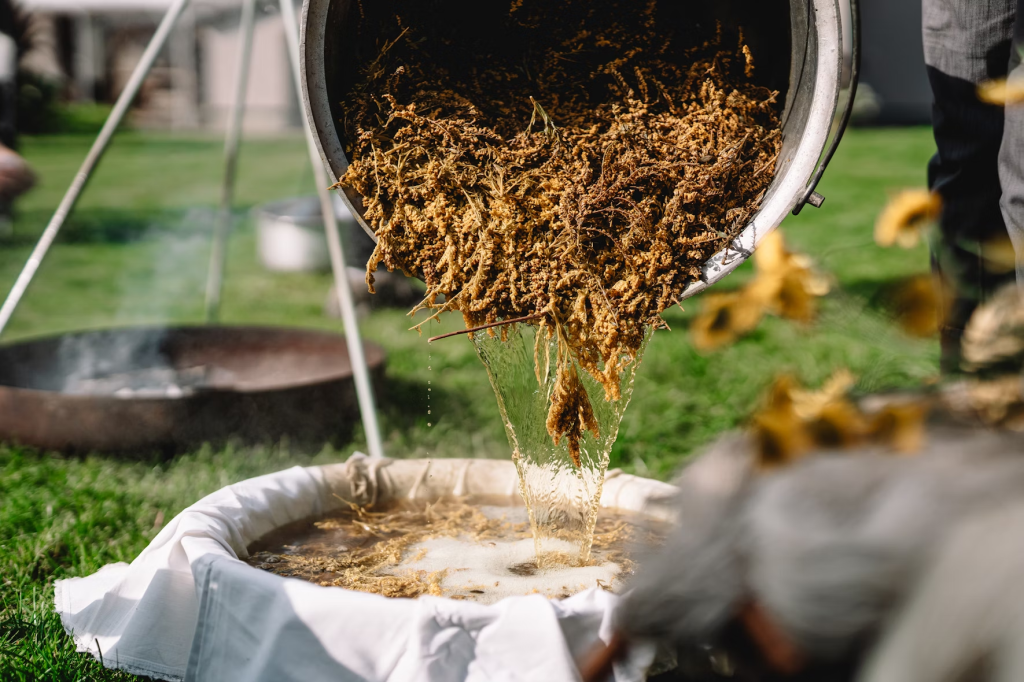
Growing a dye garden on a small plot or in containers is a rewarding way to cultivate natural colours. You can do this for textiles and crafts right at home. In the UK, weather and space constraints limit gardening options. A container-based dye garden provides a practical and versatile approach. Dye plants are often hardy and low-maintenance, making them suitable for small spaces and variable climates. With some planning and creativity, you can grow vibrant dye plants on your balcony, patio, or small garden. You will enjoy harvesting and using your own natural dyes.
Why Grow a Container Dye Garden?
A container-based dye garden is ideal for UK gardeners with limited outdoor space or variable soil quality. By growing dye plants in containers, you can:
- Easily manage space and layout in compact environments.
- Control soil type and quality, ensuring plants get the nutrients they need.
- Move plants indoors or to sheltered areas during colder months.
- Experiment with dye plants without committing to permanent beds.
Selecting Dye Plants for a UK Climate
When choosing plants for a dye garden in the UK, it’s essential to consider the climate. The UK has moderate temperatures and frequent rainfall. These conditions support a wide range of dye plants. Many of these plants are low-maintenance and hardy. Here are a few excellent dye plants to start with, chosen for their colours, ease of growth, and compatibility with containers:
- Woad (Isatis tinctoria)
- Colour: Blue
- Growth: Woad is a hardy biennial that grows well in the UK climate, even in partial shade. It needs a medium-to-large container with good drainage.
- Care: Regular watering and moderate feeding will help the plant thrive. Leaves are harvested in the first year to extract indigo-like blue dye.
- Madder (Rubia tinctorum)
- Colour: Red and pink
- Growth: Madder is a perennial with deep roots. It needs a larger container, like a half-barrel or large pot. It thrives in sunny locations and tolerates a variety of soils.
- Care: Madder requires patience; the roots need 2–3 years to mature before they are ready for dyeing. Good drainage is essential, as madder doesn’t like overly wet conditions.
- Dyer’s Chamomile (Anthemis tinctoria)
- Colour: Yellow
- Growth: This hardy perennial is compact and perfect for containers, making it a popular choice for small dye gardens. It prefers full sun and well-drained soil.
- Care: Water moderately and deadhead flowers to encourage more blooms. Harvest the flowers during the peak summer months to obtain a bright yellow dye.
- Coreopsis (Coreopsis tinctoria)
- Colour: Orange and yellow
- Growth: Coreopsis is an easy-to-grow annual that produces vibrant orange-yellow dyes. It flourishes in containers in full sun.
- Care: This plant requires little maintenance aside from regular watering. Harvest flowers throughout the blooming season to use fresh or dried for later dyeing.
- Japanese Indigo (Persicaria tinctoria)
- Color: Blue
- Growth: Japanese indigo is an annual that grows well in containers. It can thrive even in cooler UK summers. The plant needs plenty of sunlight and regular watering.
- Care: Keep the soil consistently moist and make certain the plant has at least six hours of sunlight. Harvest leaves throughout the season for a blue dye akin to woad.
- Marigold (Tagetes spp.)
- Color: Golden yellow and orange
- Growth: Marigolds are hardy annuals that bloom generously and adapt well to containers. They prefer full sun and well-drained soil.
- Care: Regular deadheading encourages more blooms, providing an abundant source of golden dye throughout the summer.
Setting Up Your Container Dye Garden
Once you’ve selected your dye plants, the next step is setting up your garden. Here are some tips to get started:
- Choose the Right Containers
Different plants will need different pot sizes. Small plants like marigolds and dyer’s chamomile can thrive in medium-sized pots (about 10-12 inches in diameter). Deep-rooted plants like madder need larger containers (16 inches or more). Make sure each container has good drainage holes, as most dye plants dislike waterlogged soil. - Use Quality Potting Mix
A high-quality, well-draining potting mix is essential for container gardening. For added nutrients, mix in compost or a slow-release organic fertilizer. Woad and madder prefer slightly alkaline soil. Add a small amount of lime to their pots if your soil is acidic. - Arrange for Sunlight and Shelter
Most dye plants thrive in full sunlight. Place your containers in the sunniest area available. In the UK, sunlight hours vary by season. You need to adjust your plants’ positions. Bring them indoors during colder months. - Watering and Fertilizing
Water consistently, allowing the top inch of soil to dry out slightly between waterings. Over-watering can harm these plants, so it’s best to err on the side of caution. Feed plants monthly with a balanced, organic fertilizer to support growth, particularly for heavy feeders like indigo and woad. - Harvesting and Storing Dye Materials
Each plant has specific harvesting techniques. Woad and indigo leaves can be picked throughout the growing season. Madder roots need two to three years to mature. Flowers like chamomile and coreopsis can be harvested as they bloom. You can use the fresh dye material or dry it later by hanging it in a well-ventilated area.
The Benefits of a Small-Plot Dye Garden
A container dye garden lets you produce natural dyes while enjoying the benefits of gardening on a small scale. Growing your own dye plants gives you more control over the dyeing process. It lets you experiment with colours and techniques that aren’t always possible with store-bought dyes. Additionally, this method encourages sustainable, dyeing practices and reduces reliance on synthetic dyes.
In the UK, space and climate can be limiting. A container dye garden offers a way to enjoy the beauty of dye plants without needing a large plot. By choosing hardy, adaptable species, you can create a mini-garden that brings colour and creativity into your life. It transforms your textiles with beautiful, naturally derived hues.
#NaturalDyes #DyePlants #Textiles #DyeGarden #Sustainable
References:
Images: Anna Ansone
Website:
https://unsplash.com/photos/a-bunch-of-food-that-is-in-a-bucket-2VkdqPRRI-4
 Rachel Bakewell