Exploring the Magic of Cyanotypes: One of My Favourite Processes
Cyanotypes are one of my absolute favourite creative techniques. While I haven’t mastered using them on textiles, I have found more success working with cyanotypes on paper. This alternative photography process has captivated me with its simplicity and offers endless possibilities for creating stunning, unique prints.
What is a Cyanotype?
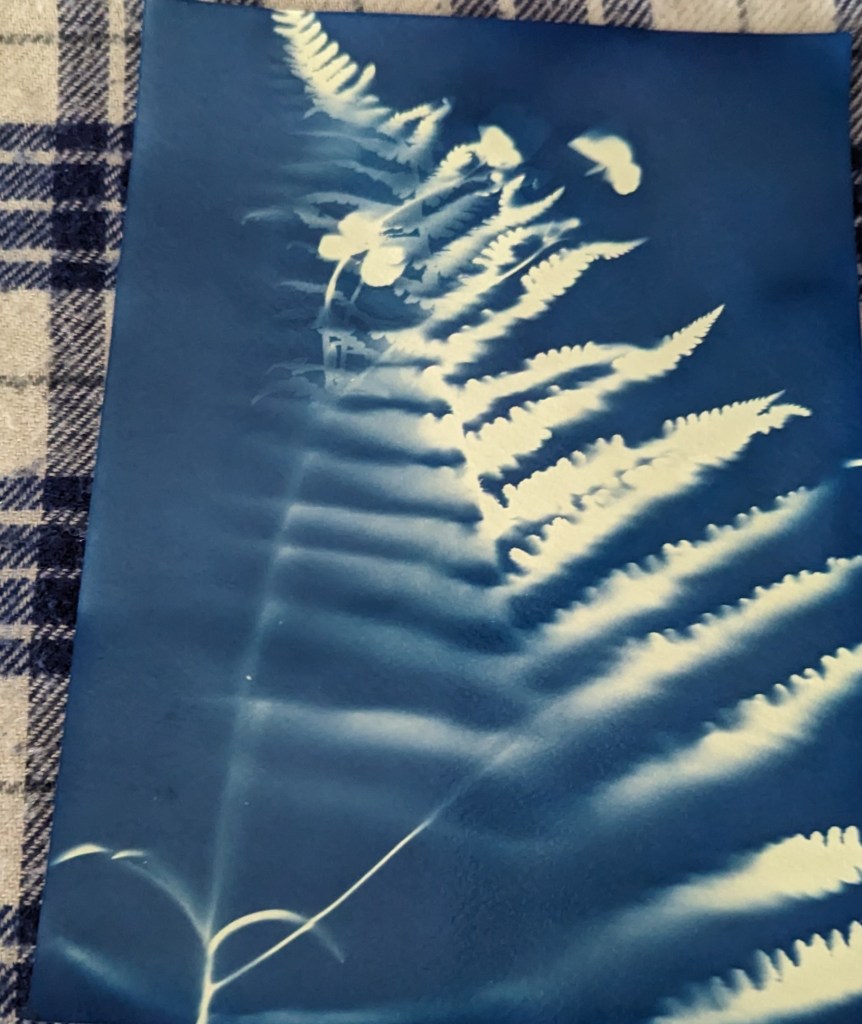
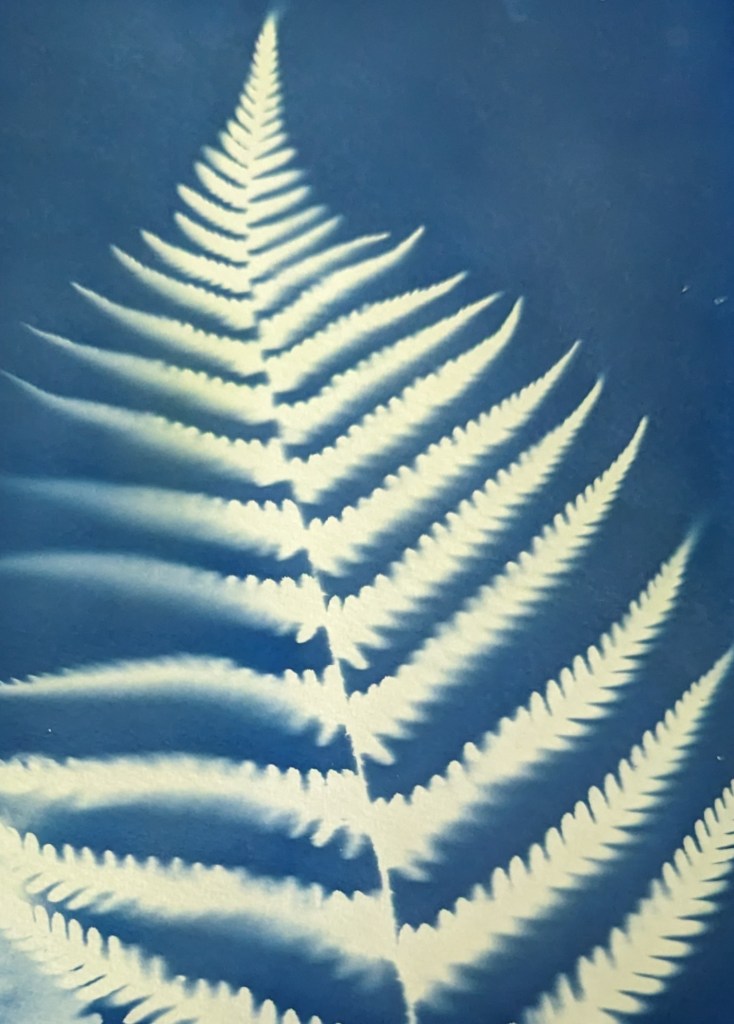
Cyanotypes are an old photographic printing process that produces a beautiful range of blue prints. This process involves coating a surface, like paper or fabric, with a light-sensitive solution made from iron salts. Once the surface has been treated, objects or images are placed on top and exposed to sunlight or UV light. The result? A striking blueprint-like image where the treated areas have turned a brilliant cyan blue, while the areas covered remain white or a lighter tone.
My Experience with Cyanotypes
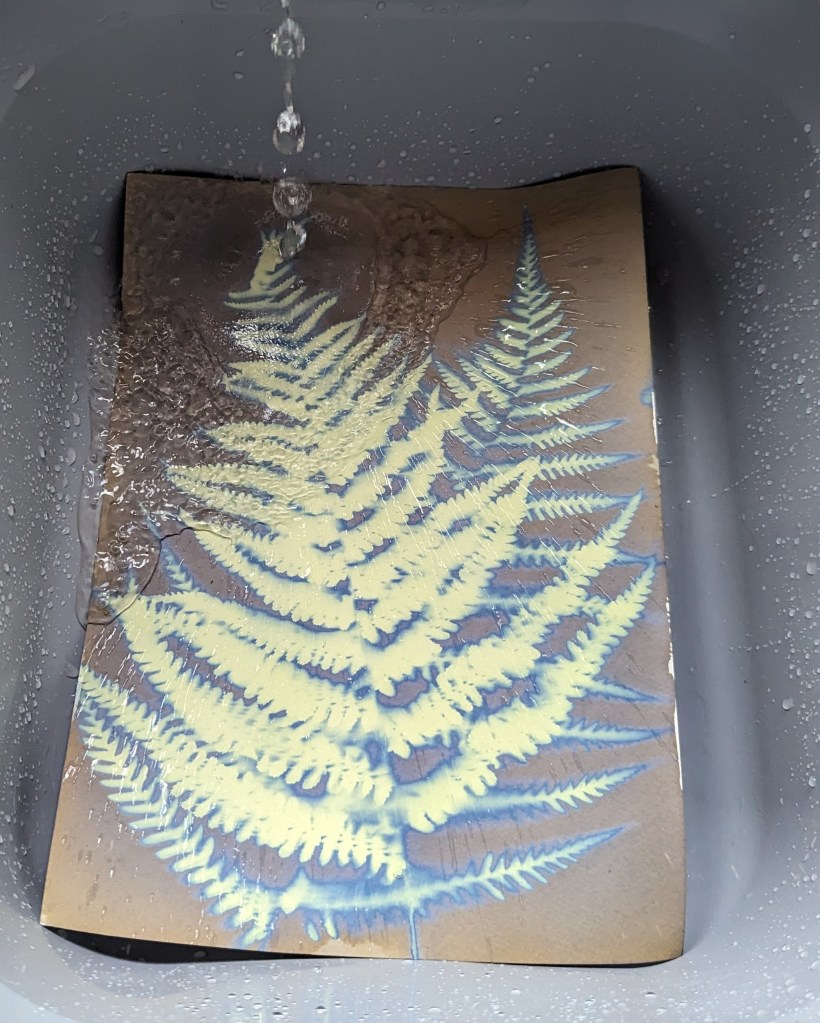
While my attempts at using cyanotypes on textiles haven’t been as successful, working with paper has been a rewarding experience. The tactile process of preparing the materials, experimenting with different objects, and watching the images develop in the sunlight is incredibly satisfying. There’s something almost magical about the moment you rinse the paper and see your design appear in bold, vivid blue. It’s a process that brings a sense of play and experimentation, and each print feels like a little work of art.
What I Love About the Process
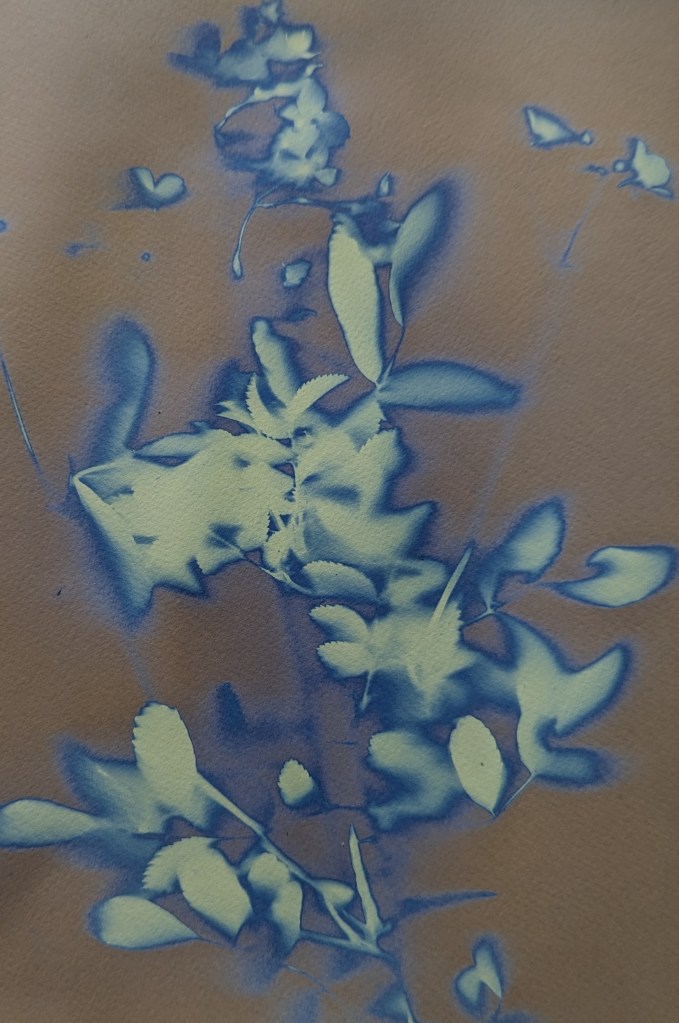
What I love most about cyanotypes is the accessibility and flexibility of the process. You don’t need fancy equipment or expensive materials like you would need in traditional photography—just patience and creativity. Whether you use natural elements like leaves and flowers or experimenting with digital negatives, the possibilities are endless. The imperfections and unpredictability are part of the charm, making each print completely unique.
Future Plans
I’m excited to continue exploring cyanotypes and refining my technique, especially on textiles. This process has sparked so many ideas, and I can’t wait to push the boundaries of what’s possible with this art form.


 Rachel Bakewell