The Joy of Making Felt Landscapes
There’s something deeply satisfying about creating and making things with your hands, and for me, one of the most enjoyable mediums to work with is felt. Over the past year, I’ve discovered a real passion for making felt landscapes textured, colourful pieces of art that bring the beauty of nature to life through layers of wool and fabric. The tactile nature of felt-making combined with the freedom to experiment with texture, colour, and form, makes it an incredibly rewarding process.
Why Felt?
Felt is a versatile and unique material that offers a range of possibilities for creative expression. The process of wet felting and needle felting allows you to build textures that enable the maker to mirror the natural world for example rolling hills, soft clouds, and dense forests can all be interpreted using fibres. The fibres blend seamlessly, giving the piece an organic flow, much like the landscapes they represent.
One of the things I love most about working with felt in this way is that it mimics the softness of nature. When I think about a landscape whether a vast green meadow, a windswept beach, or a rugged mountain range I imagine the textures, colours, and organic shapes as something that can be of benefit to the senses through touch and aesthetic value. Wool has a natural, earthy quality which echoes the landscapes I aim to create, making felt the perfect material for bringing those scenes and to life.
The Creative Process
Creating felt landscapes involves both planning and spontaneity as I often start with an idea or image in mind and sometimes it might be a memory of a place I’ve visited, and other times an abstract impression of a natural scene. Once I have a concept, I begin by selecting colours and types of wool that I feel reflects the elements of the landscape. The beauty of felt is that it allows for layering, so I can start with a base layer of colours and gradually add more detail and depth as the piece develops.
The technique of needle felting allows for intricate detailing, while wet felting is more about the broad strokes, where you let the fibres intermingle in a less controlled way. Both techniques have their appeal, depending on the look and feel I want for the landscape. Sometimes I combine both methods to create more contrast between smooth and textured areas, enhancing the sense of dimension in the piece.
For instance, in a felt landscape depicting a field of flowers, I might use wet felting to create the rolling green hills in the background and then switch to needle felting to add the tiny flowers in the foreground, each one a little puff of color. This mix of techniques brings the landscape to life, giving it both structure and fluidity.
The Meditative Nature of Felt-Making
One of the most enjoyable aspects of creating felt landscapes is how meditative the process can be by working with wool is a slow, deliberate practice. As you roll and shape, the fibres into place, there’s a calming rhythm to the work. There is a tactile nature of wool, combined with the repetitive actions that provides a sense of grounding. It’s easy to lose yourself in the process, much like going for a walk in the very landscapes you’re creating.
There’s something incredibly peaceful about seeing a landscape emerge, bit by bit, from a pile of fibres. It’s as if you’re sculpting nature with your hands, slowly shaping and forming each detail until a scene begins to appear before your eyes. This process forces you to be present, and there’s a kind of mindfulness that comes with the act of crafting.
Exploring Texture and Colour
Another reason I enjoy making felt landscapes is the endless opportunity to play with texture and colour. Landscapes are full of contrasts for example the rough bark of a tree against the smooth surface of a lake, the vivid colours of oranges and reds of a sunset sky next to the muted greens of the earth below. Felt allows me to capture these contrasts, using different types of wool, adding silk or cotton threads, or even incorporating natural elements like dried leaves or flowers.
There is an interplay of colour which is also a key aspect of the creative process. Wool comes in an array of beautiful, natural hues and textures blending them together to create the perfect shade for a sky or a patch of wildflowers is both challenging and fun. Sometimes, I let the fibres dictate the direction of the work by allowing unexpected colour combinations to lead me somewhere new and exciting.
A Personal Connection to Nature
For me, creating felt landscapes is a way to stay connected to nature. Each work I make is inspired by the world around me the colours of a summer meadow, the rolling hills of the countryside, or the serene stillness of a winter forest. As someone who enjoys spending time outdoors, felt-making gives me a way to capture those moments and preserve them in art.
Through these felt landscapes, I’m able to reflect on the beauty of nature and bring a little piece of it into my home. And as I work on each piece, I find myself appreciating the details of the natural world even more—the way the light hits the trees, the subtle shifts in the color of the sky, the texture of a rocky coastline. It’s a constant reminder to slow down and notice the small wonders of the world around us.
Conclusion
Making felt landscapes is more than just a craft for me it’s a creative journey that connects me to nature, challenges my artistic skills, and provides a soothing and mindful practice. It’s a process that is both enjoyable and rewarding, that allows me to bring the beauty of the natural world into my work in a tangible, textural way.
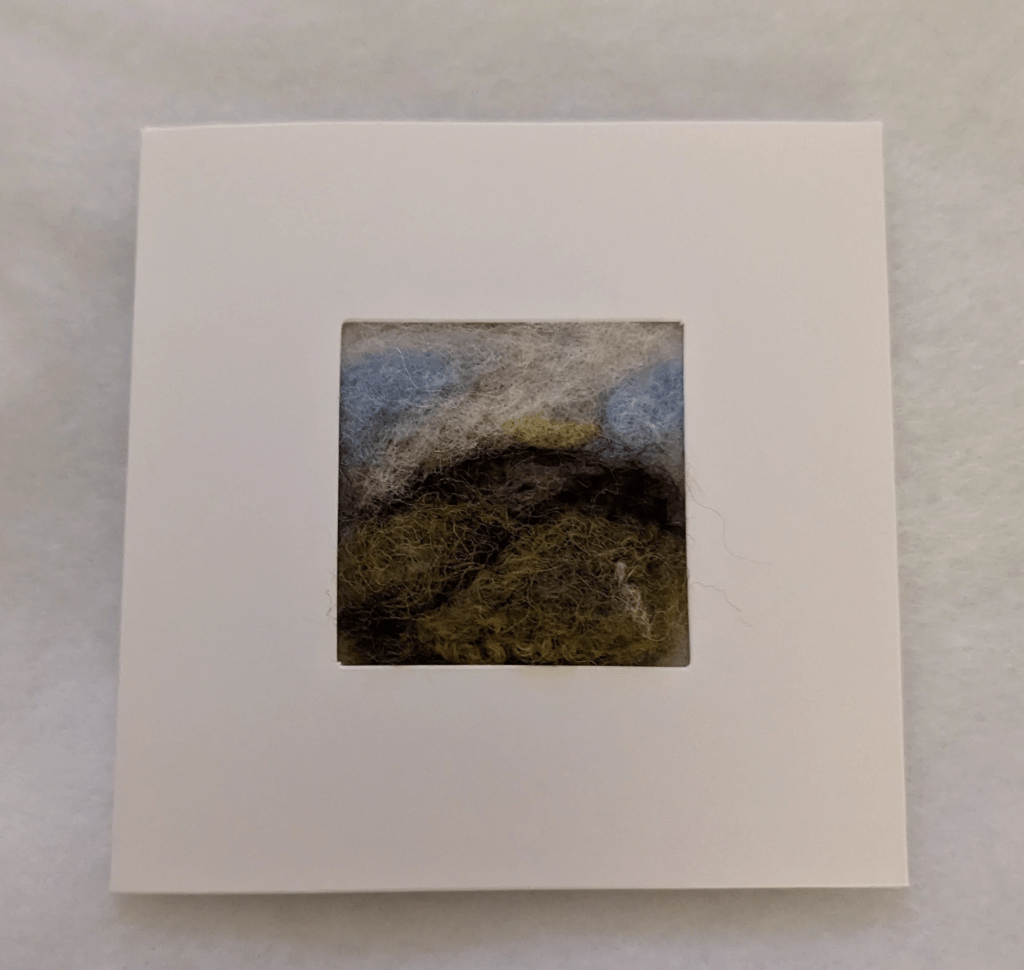
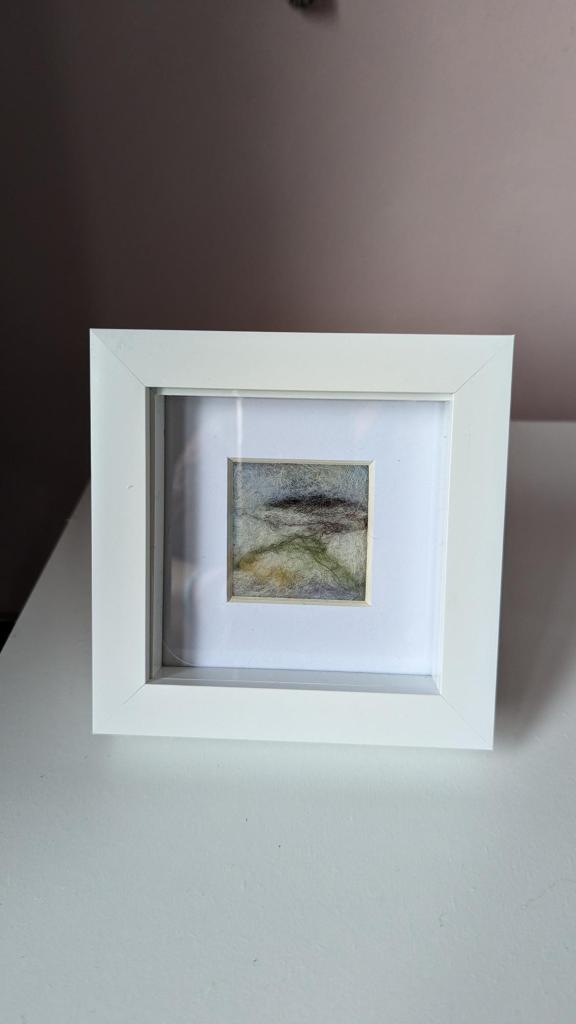
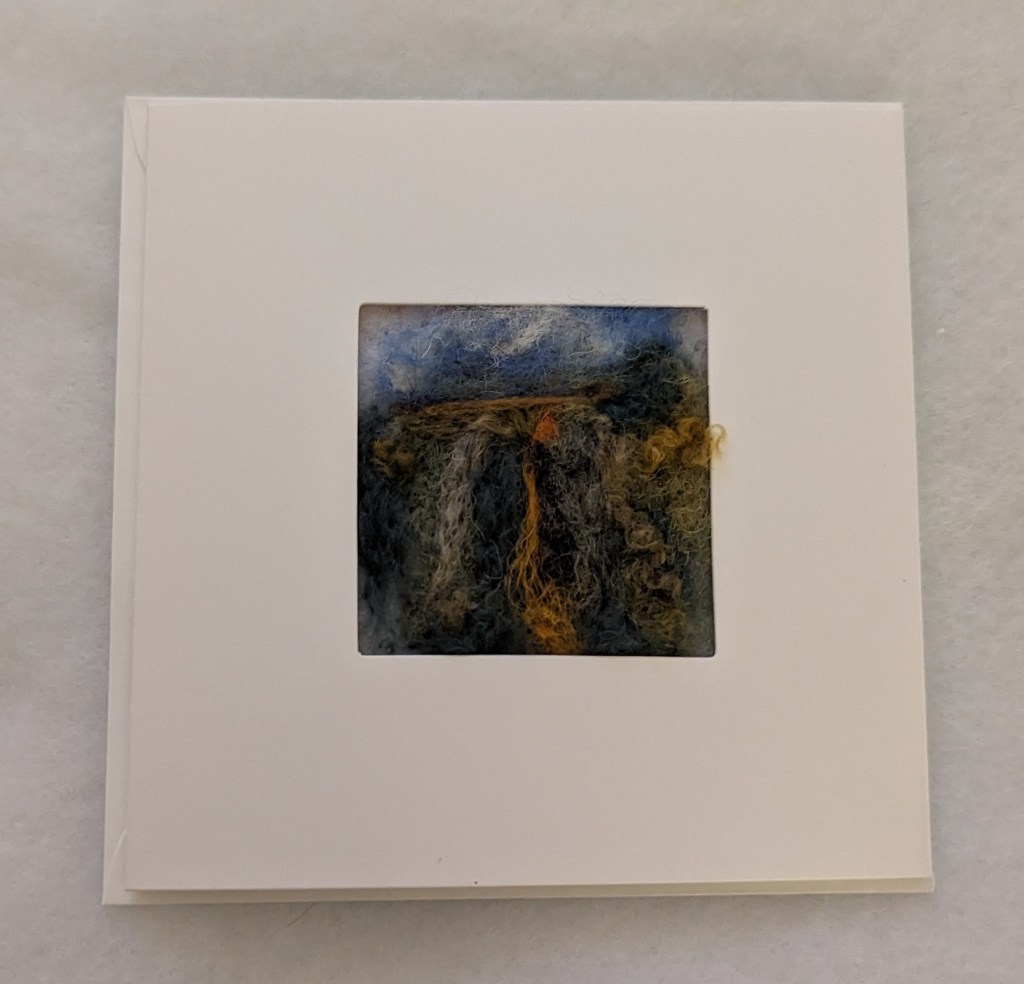
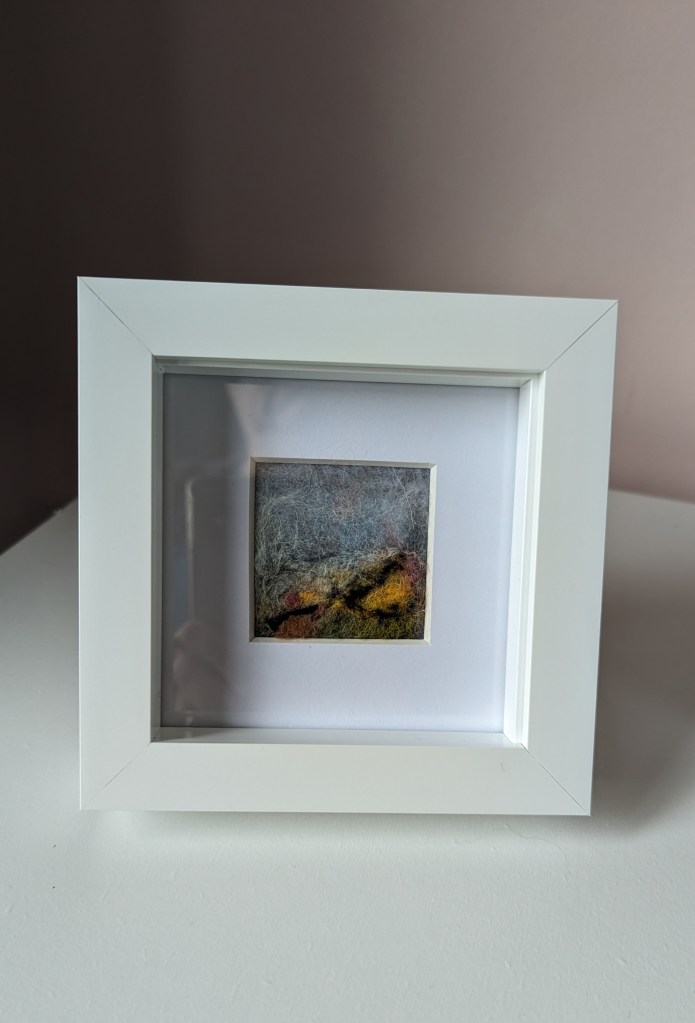
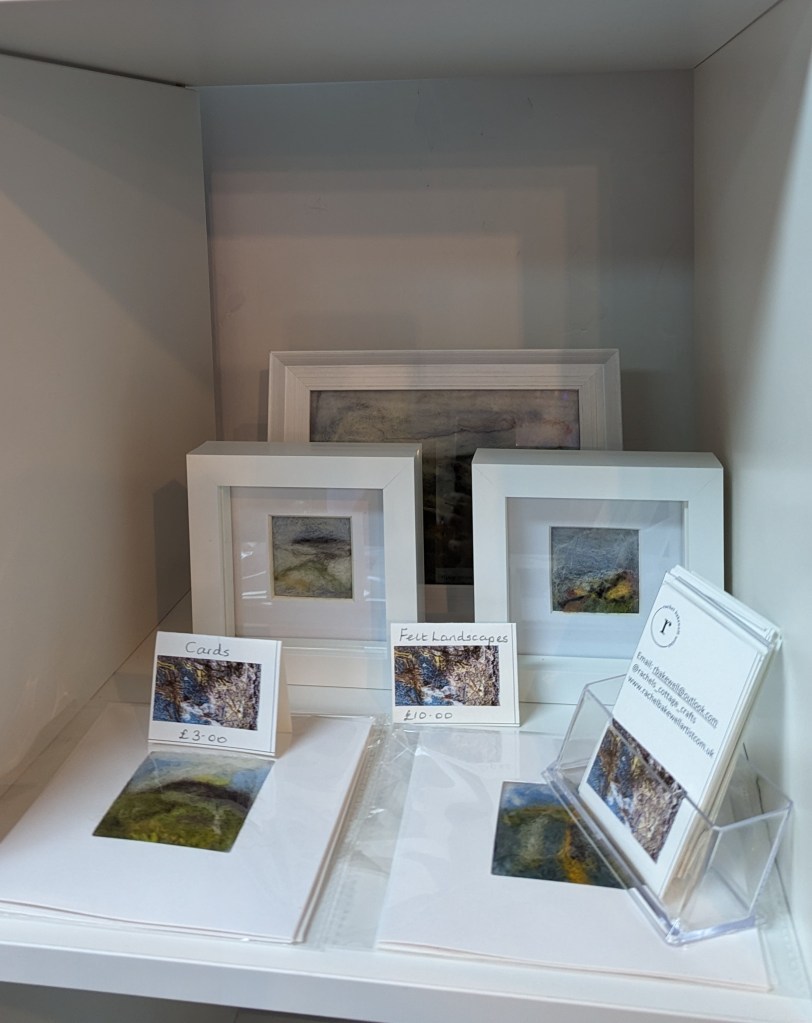
An example of my work.
#Felt #Colour #WetFelting #NeedleFelting #Landscapes #Landscape #Nature
 Rachel Bakewell