Adire: Indigo’s Stories From West Africa

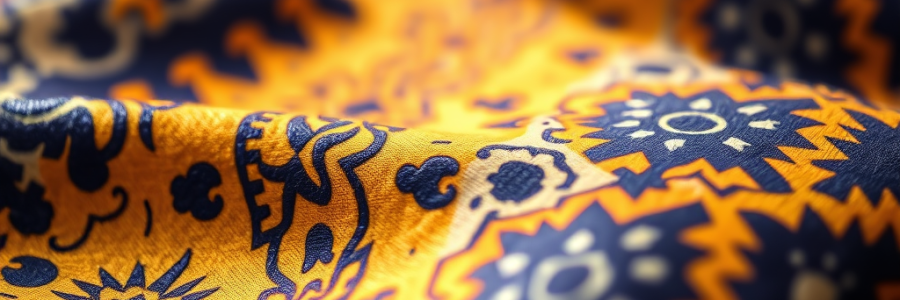
Adire, a traditional indigo-dyed cloth from Nigeria’s Yoruba people, embodies stories through its intricate patterns. Emerging from early 20th century Abeokuta, Adire is a female-led craft linking heritage to modern expression. Sustainable and tactile, its designs encapsulate cultural identity, with contemporary artists revitalising this timeless textile tradition.… Read More Adire: Indigo’s Stories From West Africa

Shibori: The Language of Folded Cloth

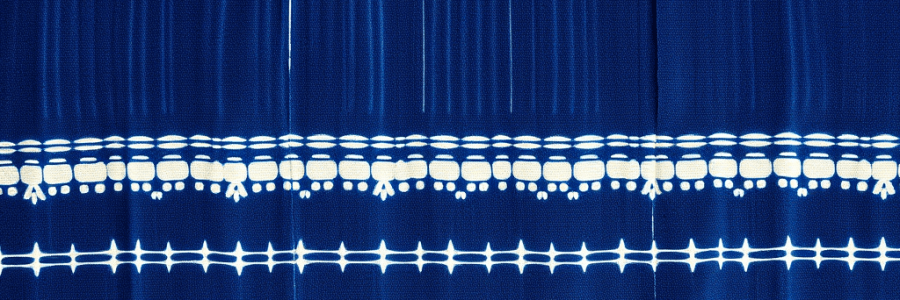
Shibori is a Japanese resist dyeing technique emphasising a dialogue between fabric and intention, dating back over 1,300 years. Historically linked to kimono making, it transforms textiles through methods like tie-dye and binding. Shibori embodies wabi-sabi values, promoting sustainability and contemporary artistic revival while fostering a mindful approach to design.… Read More Shibori: The Language of Folded Cloth

Making Sense of Space: How People With Sensory Impairments Shape Their Own Environments

The text emphasises the importance of inclusive and sensory-aware design for individuals with sensory impairments. It highlights how these individuals utilise their unique perceptions to innovate design, transforming environments into tactile, auditory, and visually accommodating spaces. Such designs enhance personal agency and comfort, promoting co-design collaboration and sustainability for a more inclusive future.… Read More Making Sense of Space: How People With Sensory Impairments Shape Their Own Environments

slow stitching: sustainability through needle & thread

See image credits (below) In an age of fast fashion and disposable goods, slow stitching offers an antidote—a practice rooted in care, patience, and sustainability. At its heart, slow stitching is more than just thread on fabric; it’s about valuing time, honouring materials, and creating something that carries meaning beyond its stitches. What Is Slow… Read More slow stitching: sustainability through needle & thread

hamish fulton: walking as art

Hamish Fulton, Night Life, 1993Screenprint from the portfolio Ten Toes Towards the RainbowGovernment Art Collection, UKhttps://artcollection.dcms.gov.uk/object/17729-1/ British artist Hamish Fulton (b. 1946) is often described as a “walking artist.” For more than five decades, he has devoted his practice to the act of walking—not simply as a means of moving through the world, but as… Read More hamish fulton: walking as art

artists who weave messages into their work

In every thread, a whisper. In every pattern, a pause. Across cultures and centuries, artists have turned to textiles not just for warmth or beauty, but as vessels of meaning—woven languages that speak through texture, rhythm, and repetition. This post explores the quiet radicalism of those who stitch, knot, and loop their messages into cloth.… Read More artists who weave messages into their work

archiving the unseen: sustainability in the stories we save

A gentle essay on narrative sustainability and the ethics of remembering There’s a quiet kind of sustainability that rarely makes headlines.It doesn’t come packaged in recycled cardboard or certified by green labels.It lives in the stories we choose to keep.In the mishaps we don’t erase.In the tools we restore not for function, but for memory.… Read More archiving the unseen: sustainability in the stories we save

beginner’s guide to sashiko: stitching

Fig 1: Albion Gould. “A Brief History of Sashiko in Japan.” Albion Gould, 26 June 2023. https://albiongould.com/a-brief-history-of-sashiko-in-japan/ Sashiko looks intricate, but at its heart it’s one of the simplest and most meditative textile practices you can try. With just needle, thread, and cloth, you can begin stitching patterns that connect you to a centuries-old tradition… Read More beginner’s guide to sashiko: stitching