how to source fabrics sustainably from around the world-is it possible?

Sustainability in textiles promotes ethical sourcing and conscious consumerism. It involves choosing materials based on environmental impact, fair labour practices, and transparency. By collaborating with certified suppliers, supporting artisan communities, and staying informed about certifications like Oeko-Tex, individuals can make informed choices that contribute to a more sustainable future in the textile industry.… Read More how to source fabrics sustainably from around the world-is it possible?
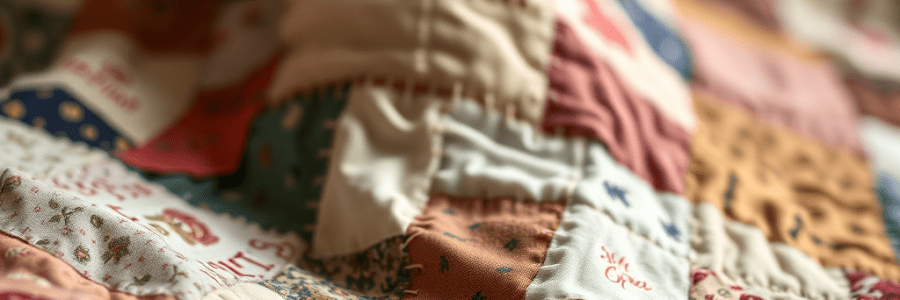
threads of memory: the connection between storytelling textiles & heritage-driven design

There’s something so evocative about the phrase “threads of memory.” I love how it captures the way fabric can hold stories, a narrative—whether it’s a scrap of cloth from a loved one’s garment or a hand-stitched detail that has been passed down through generations. It reminds me that textiles are not just materials; they’re keepers… Read More threads of memory: the connection between storytelling textiles & heritage-driven design

understanding viscose: a fabric at the crossroads of nature and industry

Viscose is one of the most widely used semi-synthetic fabrics in the world, known for its silk-like texture, softness, and versatility. Often labelled as “rayon” in the United States, viscose has been a staple in fashion and textiles since the early 20th century. But what exactly is viscose, and how sustainable is it really? What… Read More understanding viscose: a fabric at the crossroads of nature and industry

understaind dosing techniques: precision, sustainability, and practice

In a world increasingly focused on sustainability, the way we measure, apply, and manage materials—what some call “dosing techniques”—can make a significant difference. Whether in natural dyeing, sustainable printing, or using resources mindfully in textile work, dosing isn’t just about quantity; it’s about intention and balance. This post explores how sustainable dosing techniques can help reduce waste, improve efficiency, and support more thoughtful creative practices. For anyone looking to make their craft more environmentally responsible, understanding how to dose materials sustainably is a valuable step forward.

Read More understaind dosing techniques: precision, sustainability, and practice

Sylvie Facon: The Dream Weaver of Couture Fantasy

When we think of haute couture, we often picture glamorous runways and lavish gowns — but few designers capture true storytelling through fabric quite like Sylvie Facon. A visionary French creator and fashion designer, Sylvie Facon doesn’t just sew dresses — she builds entire worlds out of textiles she often crafts herself. Every gown she… Read More Sylvie Facon: The Dream Weaver of Couture Fantasy

Fashion Meets the Future: Lyocell and the Brands Leading the Sustainability Movement

As the fashion industry continues to confront its environmental impact, innovative materials like Lyocell are paving the way for a more sustainable future. Made from wood pulp using closed-loop processes, Lyocell offers a biodegradable, breathable, and sustainable alternative to traditional fabrics. In this post, we explore how Lyocell is transforming the way we think about clothing—highlighting the pioneering brands leading the charge and proving that style and sustainability can go hand in hand.

Read More Fashion Meets the Future: Lyocell and the Brands Leading the Sustainability Movement

Lyocell: The Sustainable Fabric You Didn’t Know you Needed

Lyocell is a sustainable fabric made from regenerated cellulose, typically sourced from trees like eucalyptus. Its sustainable closed-loop production process recycles up to 99% of solvents, making it preferable to cotton. Renowned brands like Patagonia, Eileen Fisher, and Allbirds are incorporating Lyocell for its softness, breathability, and environmentally responsible qualities.… Read More Lyocell: The Sustainable Fabric You Didn’t Know you Needed

Sustainable Style Spotlight: What’s the Deal with Tencel?

Tencel, a brand by Lenzing AG, includes sustainable fibres Lyocell and Modal made from sustainably sourced wood pulp. This sustainable material is soft, breathable, and biodegradable. Its closed-loop production process minimises waste and chemicals. Tencel is popular in various apparel and bedding, making sustainable fashion accessible and stylish.… Read More Sustainable Style Spotlight: What’s the Deal with Tencel?

Why Were Embroidered and Scented Gloves Made?

Handsome embroidered, scented gloves were fashionable in the late-1500s and early-1600s Fashion and Status During his period, gloves were more than just a protective garment for the hands; they were symbols of wealth, power, and refinement. The nobility and upper classes often wore gloves adorned with intricate embroidery, made from fine leather, silk, or velvet,… Read More Why Were Embroidered and Scented Gloves Made?

Sustainable Materials: Lotus Stem Fabric: A Sustainable Innovation in Textiles

Lotus stem fabric, or lotus silk, is a sustainable textile derived from lotus plant fibres, combining tradition with modern eco-consciousness. Originating in Myanmar, it has become valued for its luxurious qualities, including softness and breathability. The production is labour-intensive but environmentally friendly, supporting artisan livelihoods and promoting sustainable fashion.… Read More Sustainable Materials: Lotus Stem Fabric: A Sustainable Innovation in Textiles