CLASSICAL SYMBOLISM: THE ENDURING LANGUAGE OF ANTIQUITY
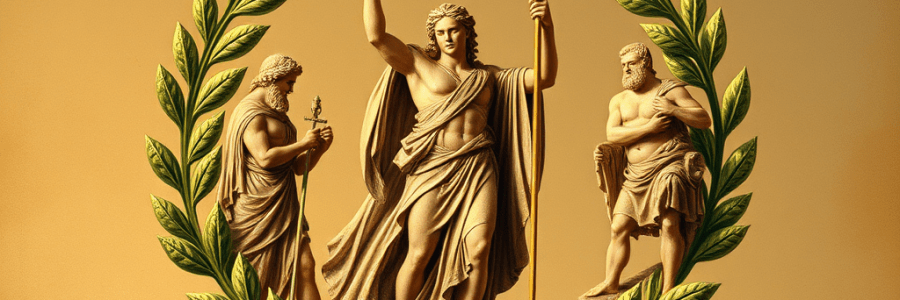
From government buildings to great works of art, the visual and symbolic language of ancient Greece and Rome continues to resonate in Western culture. Known as classical symbolism, this tradition draws on the classical world’s myths, ideals, and imagery to express complex ideas about virtue, justice, identity, and power. Far from being relics of the… Read More CLASSICAL SYMBOLISM: THE ENDURING LANGUAGE OF ANTIQUITY

Chartist Movement in Gee Cross and Hyde: A Local Stand for National Change

In the early 19th century, Britain was going through massive changes in industrialisation, urbanisation, and growing unrest among the working class. Among the many grassroots movements that sprang up to challenge inequality, the Chartist Movement stands out as one of the most influential. While often associated with large industrial cities like Manchester and Birmingham, Chartism… Read More Chartist Movement in Gee Cross and Hyde: A Local Stand for National Change

Children Working in Ashton Brothers’ Cotton Mills in Hyde

In the 19th and early 20th centuries, the Ashton Brothers’ cotton mills in Hyde, Cheshire, were significant employers in the region. A substantial portion of their workforce consisted of children. These young labourers endured challenging conditions, with their daily routines characterised by long hours, minimal wages, and exposure to hazardous environments. Living Conditions Many child… Read More Children Working in Ashton Brothers’ Cotton Mills in Hyde

The Evolution of Factory Acts and the Lives of Child Workers During 19th Century Britain

The 19th century witnessed a profound transformation to the British economy and society, that was catalysed by the Industrial Revolution. Central to this transformation was the proliferation of factories, particularly in industries like textiles, which depended heavily on child labour. The working conditions for children in these factories were often dire, sparking a series of… Read More The Evolution of Factory Acts and the Lives of Child Workers During 19th Century Britain

The History of Cochineal Dye: A Story of Vibrant Red and Cultural Significance

Cochineal dye, derived from a parasitic insect in the Americas, has a rich history linked to indigenous cultures like the Aztecs, who valued it for its vibrant hues and symbolism. Following the Spanish conquest, it became a coveted commodity in Europe. Today, cochineal is experiencing a resurgence driven by sustainability and cultural revival.… Read More The History of Cochineal Dye: A Story of Vibrant Red and Cultural Significance

“Is Cochineal Dye Ethical? Exploring Factors and Considerations”

The ethicality of cochineal dye is multifaceted, involving animal welfare, sustainability, cultural heritage, and consumer awareness. This natural dye, derived from insects, raises concerns for vegans but offers a sustainable alternative to synthetic dyes. Ethical sourcing and supporting traditional practices are crucial for aligning with individual values on these issues.… Read More “Is Cochineal Dye Ethical? Exploring Factors and Considerations”

The Role of the Sewing Machine in Women’s Suffrage

This article is based on a post written by the collections researcher at The Museum of English Rural Life Nicola Minney who has explored an unexpected historical ally in the suffrage movement: thesewing machine. Lately, I’ve developed a deep interest in the sewing machine, a device I’ve been using personally, and one that has become… Read More The Role of the Sewing Machine in Women’s Suffrage

Exploring the Origins of the Ashton Name: A Deep Connection To Tameside’s History

The name “Ashton” is prominent throughout Tameside, and its history stretches back to Anglo–Saxon England. Intrigued by the name’s significance in the area, I set out to learn more about its origins and the role it played in shaping local communities, particularly in places like Ashton-under-Lyne and Hyde. The Origins of the Ashton Name The… Read More Exploring the Origins of the Ashton Name: A Deep Connection To Tameside’s History

Yorkshire’s Next Generation of Textile Brilliance – the story of the Temple Weave

Jon Howe: Original Author of this article. A Leeds-based freelance writer and author. FULL PROFILE We can look back through history, and peel away the layers of time where everything is revealed. Except that the full harvest of some of the rudimentary practices from our industrial evolution aren’t always immediately evident to the 21st century… Read More Yorkshire’s Next Generation of Textile Brilliance – the story of the Temple Weave