Sustainability Shaped by Bodies, Energy, and Unpredictability

Sustainability is often viewed as consistency in output and routines, assuming reliable capacity. However, for artists with conditions like Functional Neurological Disorder, capacity fluctuates unpredictably. Traditional models neglect factors like fatigue and cognitive fog, failing to acknowledge that these variations are not discipline failures, but part of the natural experience of being human.… Read More Sustainability Shaped by Bodies, Energy, and Unpredictability
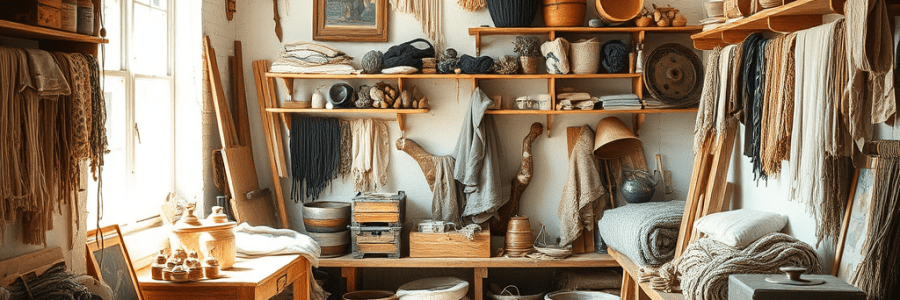

Sustainability Without Scale: Why Small, Local, and Slow Still Matter

Sustainability often emphasises scale, but true practice exists in small, intimate settings where materials are reused and relationships with them evolve over time. This approach prioritises attentiveness over demand, fostering accountability and patience. It’s about understanding when to pause rather than constant output, creating meaningful results despite its quiet nature.… Read More Sustainability Without Scale: Why Small, Local, and Slow Still Matter

Living With Cloth: A Slow Practice For Uncertain Times

This post explores the intimate relationship between textiles and human experience, emphasising their role as everyday companions that provide comfort during challenging times. Cloth allows a slower, gentler engagement with life, fostering healing through presence and repair. It underscores the importance of care in our choices while inviting mindfulness in how we live with fabric.… Read More Living With Cloth: A Slow Practice For Uncertain Times

Sustainable Paper Lamination: Protecting With Care

Sustainable paper lamination replaces traditional plastic-based films with biodegradable and recyclable alternatives, minimising environmental impact. It utilises water-based coatings and paper-to-paper lamination to enhance recyclability, appealing to eco-conscious consumers and complying with regulations. Ultimately, this approach preserves printed materials while honouring ecological integrity and sustainability principles.… Read More Sustainable Paper Lamination: Protecting With Care

Adire: Indigo’s Stories From West Africa

Adire, a traditional indigo-dyed cloth from Nigeria’s Yoruba people, embodies stories through its intricate patterns. Emerging from early 20th century Abeokuta, Adire is a female-led craft linking heritage to modern expression. Sustainable and tactile, its designs encapsulate cultural identity, with contemporary artists revitalising this timeless textile tradition.… Read More Adire: Indigo’s Stories From West Africa

Shibori: The Language of Folded Cloth

Shibori is a Japanese resist dyeing technique emphasising a dialogue between fabric and intention, dating back over 1,300 years. Historically linked to kimono making, it transforms textiles through methods like tie-dye and binding. Shibori embodies wabi-sabi values, promoting sustainability and contemporary artistic revival while fostering a mindful approach to design.… Read More Shibori: The Language of Folded Cloth

The Remarkable Shitake Mushroom: Flavour, Nutrition, & Tradition

Shiitake mushrooms, revered in East Asian cuisine, offer rich umami flavours and significant nutritional benefits, including B vitamins and immune-supporting compounds. Cultivated for over a millennium, they thrive on hardwood logs. Various cultivation kits are available for home growers. Always cook shiitakes for enhanced taste and digestibility.… Read More The Remarkable Shitake Mushroom: Flavour, Nutrition, & Tradition

Why Household Waste is Still A Massive Problem-Even Though We Know What Needs to Change

This article highlights the ongoing struggle with plastic packaging, emphasising its prevalence in UK grocery shopping. Despite intentions to reduce waste, online shopping exacerbates the issue, creating hidden plastic waste. Solutions involve reducing production, promoting refillable options, and fostering awareness while acknowledging the challenges consumers face in accessing sustainable choices. Collective action is essential.… Read More Why Household Waste is Still A Massive Problem-Even Though We Know What Needs to Change

Making Sense of Space: How People With Sensory Impairments Shape Their Own Environments

The text emphasises the importance of inclusive and sensory-aware design for individuals with sensory impairments. It highlights how these individuals utilise their unique perceptions to innovate design, transforming environments into tactile, auditory, and visually accommodating spaces. Such designs enhance personal agency and comfort, promoting co-design collaboration and sustainability for a more inclusive future.… Read More Making Sense of Space: How People With Sensory Impairments Shape Their Own Environments