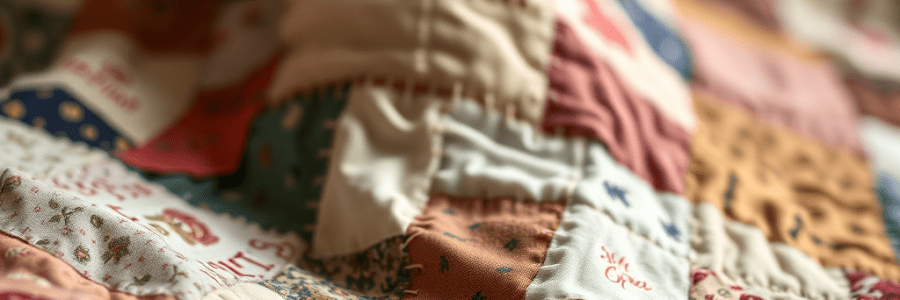
fabric treatments through time: historical approaches to fabric softening & medicinal textiles

From ancient civilizations to early industrial societies, textiles have served not just to clothe the body but to comfort, heal, and soothe. Long before synthetic softeners and antimicrobial coatings, communities around the world developed natural methods for treating fabrics to enhance their texture and even their medicinal properties. This article explores the fascinating historical approaches… Read More fabric treatments through time: historical approaches to fabric softening & medicinal textiles
how sensory textiles can be inspired by historical techniques

Textiles have always been more than just practical items—they are vessels of memory, emotion, and sensory experience. Throughout history, fabrics have been crafted not only to serve functional purposes but also to provide comfort, stimulate the senses, and express cultural identity. Today, with a growing interest in wellness, sensory design, and sustainable living, designers and… Read More how sensory textiles can be inspired by historical techniques

threads of memory: the connection between storytelling textiles & heritage-driven design

There’s something so evocative about the phrase “threads of memory.” I love how it captures the way fabric can hold stories, a narrative—whether it’s a scrap of cloth from a loved one’s garment or a hand-stitched detail that has been passed down through generations. It reminds me that textiles are not just materials; they’re keepers… Read More threads of memory: the connection between storytelling textiles & heritage-driven design

organic cotton fabric: what makes it different and why it matters

Organic cotton is a sustainable alternative to conventional cotton, lacking harmful chemicals and supporting better farming practices. Unlike traditional methods, organic farming uses natural processes for pest management and prioritises worker rights. While more costly, organic cotton promotes healthier ecosystems and offers softer fabric options, making it a responsible choice for consumers.… Read More organic cotton fabric: what makes it different and why it matters

understaind dosing techniques: precision, sustainability, and practice

In a world increasingly focused on sustainability, the way we measure, apply, and manage materials—what some call “dosing techniques”—can make a significant difference. Whether in natural dyeing, sustainable printing, or using resources mindfully in textile work, dosing isn’t just about quantity; it’s about intention and balance. This post explores how sustainable dosing techniques can help reduce waste, improve efficiency, and support more thoughtful creative practices. For anyone looking to make their craft more environmentally responsible, understanding how to dose materials sustainably is a valuable step forward.

Read More understaind dosing techniques: precision, sustainability, and practice

WHAT ARE ANTHOTYPES? A BEAUTIFULLY SUSTAINABLE PRINTMAKING PROCESS

In the world of alternative photography, anthotypes are perhaps the most poetic and sustainable technique of all. They are created using just plant-based pigments and sunlight, requiring no harmful chemicals, fixers, or expensive materials. As both an art form and a meditative process, anthotypes invite you to slow down, experiment, and connect directly with the… Read More WHAT ARE ANTHOTYPES? A BEAUTIFULLY SUSTAINABLE PRINTMAKING PROCESS

Naturally Beautiful: Tips for Getting Started with Natural Dyeing

Natural dyeing has gained in popularity as a sustainable way to rejuvenate fabrics using plant-based pigments. By selecting natural fibres, appropriate mordants, and understanding dye processes, enthusiasts can create unique colours. Experimentation with pH can yield varied shades, making natural dyeing a creative and sustainable practice for upcycling textiles.… Read More Naturally Beautiful: Tips for Getting Started with Natural Dyeing

Fashion Meets the Future: Lyocell and the Brands Leading the Sustainability Movement

As the fashion industry continues to confront its environmental impact, innovative materials like Lyocell are paving the way for a more sustainable future. Made from wood pulp using closed-loop processes, Lyocell offers a biodegradable, breathable, and sustainable alternative to traditional fabrics. In this post, we explore how Lyocell is transforming the way we think about clothing—highlighting the pioneering brands leading the charge and proving that style and sustainability can go hand in hand.

Read More Fashion Meets the Future: Lyocell and the Brands Leading the Sustainability Movement