Shibori: The Language of Folded Cloth
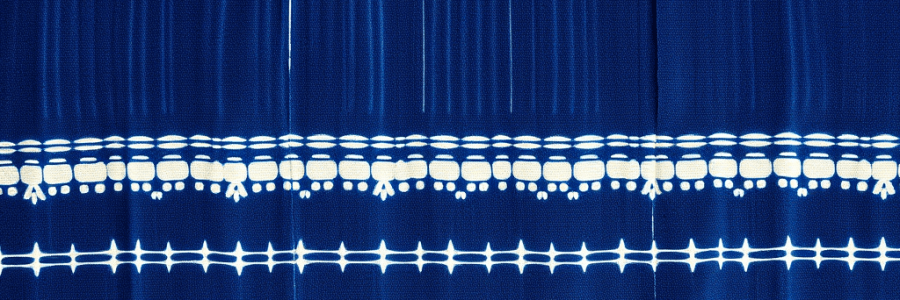
Shibori is a Japanese resist dyeing technique emphasising a dialogue between fabric and intention, dating back over 1,300 years. Historically linked to kimono making, it transforms textiles through methods like tie-dye and binding. Shibori embodies wabi-sabi values, promoting sustainability and contemporary artistic revival while fostering a mindful approach to design.… Read More Shibori: The Language of Folded Cloth

how to source fabrics sustainably from around the world-is it possible?

Sustainability in textiles promotes ethical sourcing and conscious consumerism. It involves choosing materials based on environmental impact, fair labour practices, and transparency. By collaborating with certified suppliers, supporting artisan communities, and staying informed about certifications like Oeko-Tex, individuals can make informed choices that contribute to a more sustainable future in the textile industry.… Read More how to source fabrics sustainably from around the world-is it possible?

artists who weave messages into their work

In every thread, a whisper. In every pattern, a pause. Across cultures and centuries, artists have turned to textiles not just for warmth or beauty, but as vessels of meaning—woven languages that speak through texture, rhythm, and repetition. This post explores the quiet radicalism of those who stitch, knot, and loop their messages into cloth.… Read More artists who weave messages into their work

Synaesthesia: the Work of Sanders & Barrow & Parke, an interesting perspective

Jeremy Chase Sanders – Synaesthesia Stitched Modern Weaving Fig 1: Sanders, J. (2025). Patriarchitecture. Featured in Mr X Stitch. According to an article via Mr X Stitch, Jeremy Chase Sanders, is a synaesthetic weaver based in San Francisco who experiences letters and numbers as distinct colours—seeing, for instance, the number ‘2’ as red and the letter… Read More Synaesthesia: the Work of Sanders & Barrow & Parke, an interesting perspective

from grain to garment: harnessing wheat straw for sustainable fabric

Innovators in sustainable textiles are turning agricultural waste into wearable solutions. Using wheat straw, once considered an unusable by-product, they’ve developed low-impact fibres through chemical-free, mechanical processing methods. Early clothing prototypes demonstrate the potential for circular fashion — with reduced environmental footprints and thoughtful reuse of natural resources. Emerging projects are pushing this forward, exploring scalability and addressing challenges such as allergen sensitivity and widespread adoption.… Read More from grain to garment: harnessing wheat straw for sustainable fabric

inside the workhouse: harsh realities, silent stitches

In 19th-century Britain, the word workhouse struck fear and shame into the hearts of the poor. Established under the Poor Law Amendment Act of 1834, these institutions were designed to deter people from seeking public assistance by offering a last resort: food and shelter in exchange for hard, monotonous labour. Though framed as charity, the… Read More inside the workhouse: harsh realities, silent stitches

Colouring the Industrial Age: How Textiles Were Dyed Before Synthetics

During the Industrial Revolution, textile dyeing underwent significant transformations, transitioning from traditional natural dyes to the advent of synthetic alternatives. This period marked a pivotal shift in dyeing techniques, influenced by technological advancements and the demands of mass production. Traditional Dyeing Techniques Prior to the mid-19th century, natural dyes were the primary means of colouring… Read More Colouring the Industrial Age: How Textiles Were Dyed Before Synthetics