Incorporating therapeutic textiles into my practice offers a way to blend traditional knowledge, wellness, and sustainability into everyday fabrics. These textiles are designed to look beautiful and they also support well-being by using materials, dyes, and finishes. These elements give subtle health benefits and the concept of therapeutic textiles draws from ancient practices. In the past, fabrics were intentionally chosen and treated for their healing qualities. Now, these concepts are re-imagined in a modern context. Natural dyes offer medicinal properties, soothing textures and antimicrobial fibres offer different benefits. Therapeutic textiles have the potential to transform how we interact with our surroundings and our own health.
Exploring the Benefits of Medicinal Dyes
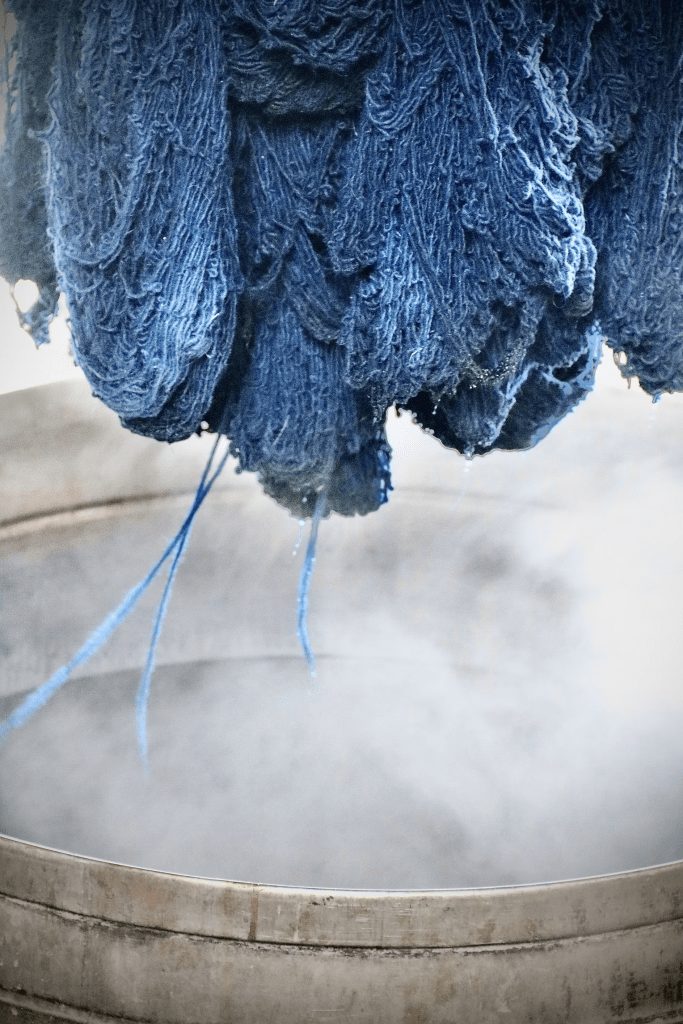
Medicinal natural dyes are one of the most exciting elements in therapeutic textiles. Plant–based dyes like turmeric, indigo, saffron, and neem add rich, beautiful colours. They also bring health-supportive properties to the fabric. Turmeric’s anti-inflammatory compounds make it ideal for textiles that come into close contact with the skin. Neem’s antimicrobial effects make it suitable for fabrics in personal hygiene or wellness items. Indigo is known for its cooling qualities. It is soothing, making it ideal for creating textiles that support relaxation and can ease meditation practices.
These dyes allow for textiles that subtly offer their natural benefits as they’re used. This is especially beneficial for people with sensitive skin or certain health conditions. For example, using turmeric–dyed fabric in scarves or eye masks can have calming effects on the skin. Its golden colour is linked with warmth and positivity, offering a psychological boost as well.
Functional Fabrics and Textures
The choice of fabric also plays a central role in therapeutic textiles, because textiles that emphasise comfort, breathability, and softness contribute to relaxation and general wellness. Bamboo and organic cotton, for instance, are naturally soft and hypoallergenic, making them perfect for therapeutic applications. Fabrics like linen and hemp have natural breathability. They also have antimicrobial properties. These features reduce irritation and keep fabrics feeling fresh for longer.
Textures also play a part in this. Soft, plush fabrics can offer a comforting tactile experience. Smooth, lightweight fabrics are excellent for meditation or relaxation clothing, by experimenting with different weaves and finishes this can add functionality.
Scented and Infused Textiles
Another method used in therapeutic textiles is infusing the fabric with calming or restorative scents. Essential oils and herbal extracts can be incorporated to create this effect, for example, lavender promotes relaxation, while eucalyptus can support easier breathing. By blending tactile comfort with aromatherapy, these textiles provide a rich, multi-sensory experience. This approach is especially effective in products such as eye pillows, sleep masks, and yoga blankets, where gentle scents can enhance relaxation or improve focus. Scented fabrics can be produced using natural, slow-release techniques that maintain a subtle fragrance over time, such as adding dried herbs or essential oils in removable inserts.
Integrating Natural Fibres for Wellness
Many natural fibres are inherently beneficial for therapeutic textiles. They allow the skin to breathe and regulate temperature. They also offer comfort without the use of synthetic finishes. Organic cotton, hemp, and wool are wonderful choices, each offering unique properties. Wool, for instance, has excellent temperature regulation and moisture-wicking properties, making it ideal for therapeutic blankets or cosy throws. Hemp is resistant to bacteria and mould, providing a hygienic choice for home textiles like sheets, towels, and mats.
For people with skin sensitivities, organic cotton or silk can offer hypoallergenic options. These fabrics reduce irritation and feel gentle on the skin. Each fibre offers a different advantage. This allows for a variety of applications. These range from clothing and bedding to accessories like neck wraps or relaxation pads.
Mindful Design and Sustainability
Therapeutic textiles naturally lend themselves to sustainable practices. These textiles reduce the environmental impact. They focus on natural materials and dyes, unlike synthetic dyes and chemical treatments. I source sustainable fibres and dyes carefully. With these materials, I can create textiles that support individual wellness. They also respect the health of the planet. Using zero-waste cutting techniques, hand-finishing, and sustainable packaging these are extra steps to create a thoughtful and fully sustainable product line.
The goal is to bring together mindfulness, wellness, and sustainability into each textile piece. This approach highlights the value of each item. It transforms textiles from mere functional objects into experiences. These experiences foster well-being and promote a slower, more intentional lifestyle.
Creating Therapeutic Textile Products
To incorporate these elements into my practice, I am considering products that will enhance well-being for the wearer or user. Here are some ideas:
- Meditative Wraps and Shawls: Made from lightweight, breathable materials like linen or bamboo. These wraps are dyed with indigo or saffron for colour. They also offer associated calming properties. These wraps would be ideal for meditation or mindfulness practices.
- Eye Masks and Relaxation Pillows: Using soft, plush fabrics, these items can offer a calming aromatherapy experience. They are infused with lavender or chamomile. Eye masks are dyed with turmeric for a golden, uplifting colour. Pillows incorporate organic cotton or silk for a hypoallergenic choice.
- Soothing Blankets and Throws: Created with wool or hemp for natural temperature regulation. These blankets can be perfect for relaxation or meditation. They are also ideal for simply cosying up in a calming space.
- Home and Yoga Textiles: Mats, pillows, and wall hangings made from antimicrobial fibres like hemp or cotton. These materials support a more hygienic and comfortable practice environment. Incorporating herbal infusions or natural dyes like pomegranate enhances the experience and adds natural beauty to these spaces.
Embracing Therapeutic Textiles in Practice
Therapeutic textiles have many benefits. Integrating them into my practice enables me to create products that honour the wellness of the user. They also honour the health of the planet. These textiles combine colour, scent, texture, and purpose. They offer more than just utility. They become a part of a holistic wellness experience. Therapeutic textiles can invite calm through wearable items or home accessories. They support health and foster a deeper connection to the beauty and healing power of nature.
#therapeutictextiles #textiles #sustainability #naturaldyes #zerowaste #sustainable
References:
Image:
Jorge Fernández Salas
Website:
 Rachel Bakewell