Sewing has always fascinated me, despite the challenges that come with it. I have a few unique hurdles that make machine sewing an adventure of its own: I’m left-handed, I have dyslexia, dyspraxia, and a slight squint. All of these factors affect my coordination, spatial perception, and fine motor skills, which can make even the simplest patterns feel like a mountain to climb. But, I truly enjoy sewing, and that love has kept me going through these obstacles. I’ve managed to make a few things already, and each project feels like a huge achievement.
Learning the Basics: A Test of Patience and Persistence
When I first started sewing, I quickly learned that while things may be straightforward for other people they can be challenging for me. For instance, threading a needle is a task that often involves several attempts, and my left-handedness makes using right-handed sewing tools awkward. Most machines are designed with right-handed people in mind, which means my natural grip and orientation with the machine feels “off” or reversed. When I purchased my first sewing machine I was over the moon but this soon started to wear thin due to various frustrations, that became increasingly more problematic.
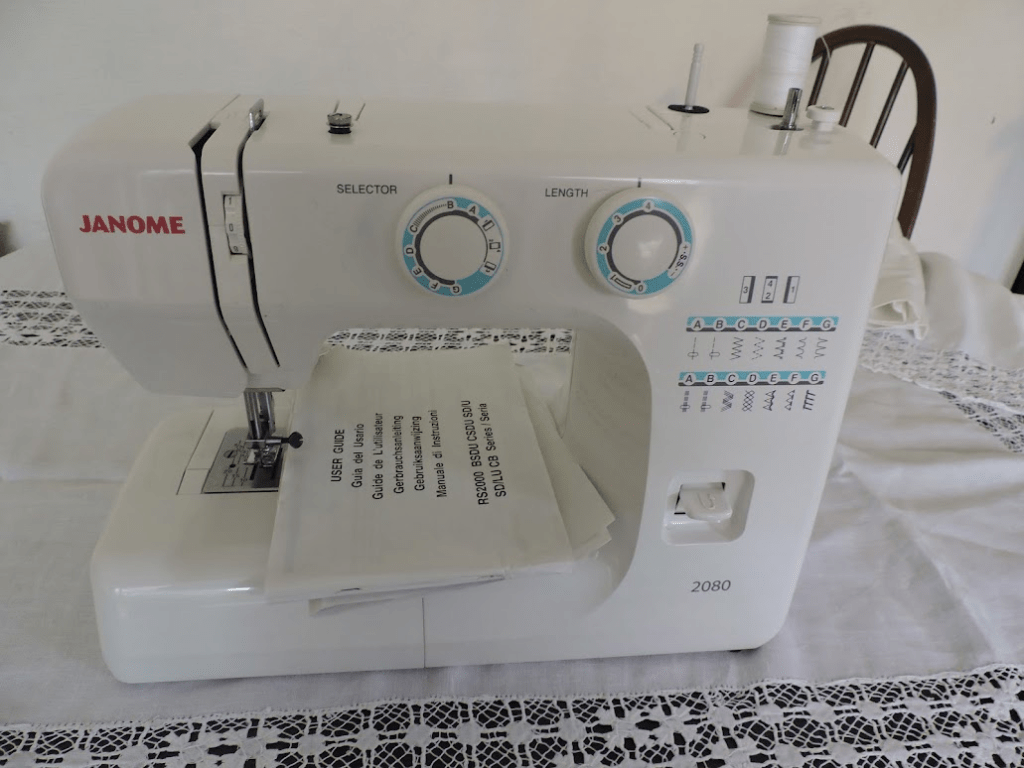
Finding the Right Sewing Machine
When I bought my first sewing machine—a Janome—I was thrilled to start sewing. But I quickly ran into an unexpected hurdle: the front-loading bobbin. As a beginner, the task of inserting the bobbin correctly felt like solving a puzzle without all the pieces, and it didn’t help that I found the mechanism tricky to reach and manoeuvre. Over the years, despite trying to practice and figure out the correct setup, the front-loading bobbin kept tripping me up.
For those who haven’t encountered it, a front-loading bobbin requires placing the bobbin case inside a compartment at the front of the machine, often accessed by a small panel that needs to be opened each time. The process of fitting the bobbin case just right and making sure the thread was positioned correctly was time-consuming and frustrating for me. I watched videos, read tutorials, and practiced repeatedly, yet somehow, it still didn’t feel natural. Sewing should be a relaxing, enjoyable experience, but instead, I was spending more time trying to load the bobbin than actually stitching.
After a lot of trial and error, I realised it might not just be my skills that were causing the frustration; it might be that the machine’s setup just wasn’t the best fit for me. After years of struggling, I finally decided to invest in a new machine, hoping for an option that was more beginner-friendly.
That’s when I discovered the Brother sewing machine with a top-loading bobbin. Unlike the front-loading mechanism, the top-loading bobbin sits just below the needle plate and is visible through a clear cover. This design means I can see the bobbin as it’s loaded, and I can also easily check the amount of thread remaining. It was a revelation to me; no more opening side panels or fitting the bobbin case at an awkward angle. The top-loading design took seconds to load, and the difference in my sewing process was immediate and dramatic.
Using the Brother machine, I was able to focus more on sewing and less on mechanics. With the ease of the top-loading bobbin, I could finally dive into projects without the lingering worry that a tangled or misaligned bobbin would halt my progress. The frustration that had held me back was replaced by excitement and confidence to try more ambitious projects.
Switching machines gave me a fresh start, and choosing one with a top-loading bobbin made sewing accessible and enjoyable. This change also opened up a new level of creativity; now that the basics felt easier, I could focus on experimenting with different stitches, techniques, and fabrics, and I realised that having the right tools can make all the difference. It’s amazing how a simple change in design can transform the sewing experience, turning it from a frustrating challenge into a relaxing and rewarding hobby.
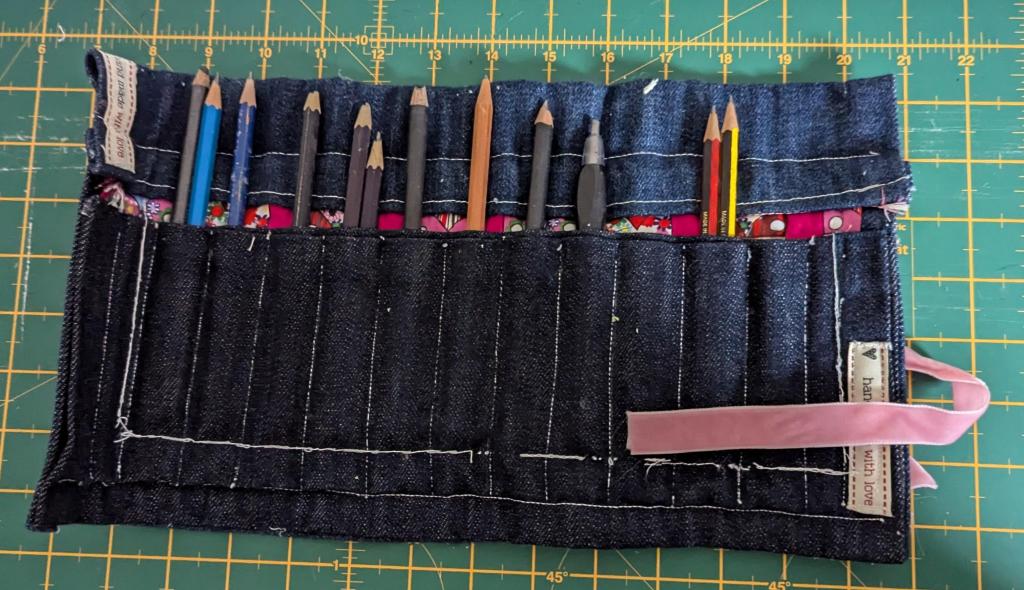
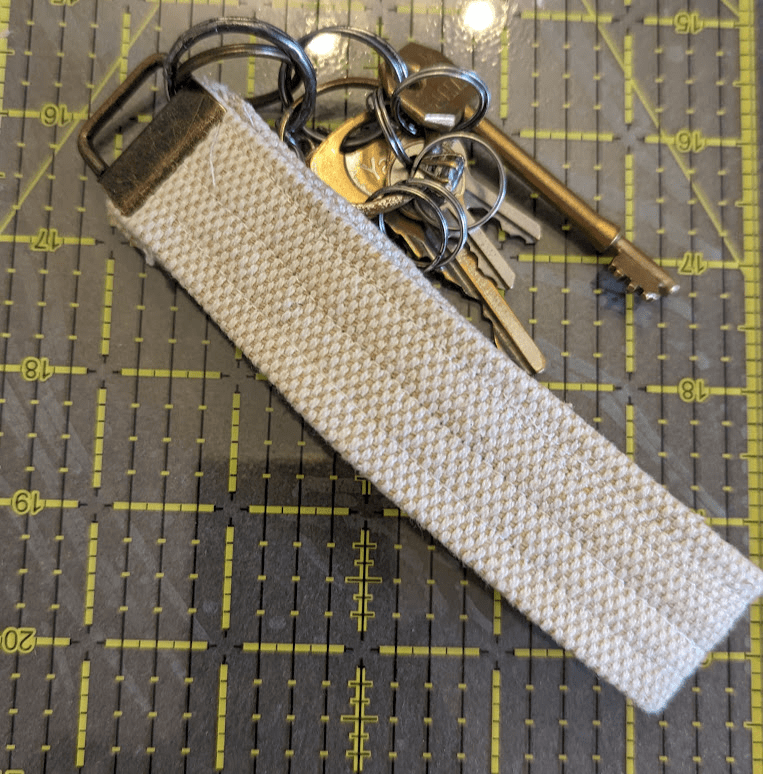
The first projects I attempted were a simple cosmetic bag, (a gift) a key fob and a pencil roll. While they might seem like small things, they took a lot of time, patience, and more than a few seam-rips. Sewing a straight line became a test of perseverance. Often, I would sew a seam, only to find it crooked or mismatched. Ripping seams and starting over was frustrating, but seeing those projects finished was worth every moment of struggle.
Working with Patterns: Dyslexia and Direction Challenges
Patterns pose another unique challenge for me. Dyslexia can make it hard to read and follow step-by-step instructions, especially when they’re written in a technical, detail-heavy language that sewing patterns often use. I find myself losing my place or misinterpreting symbols and numbers, which sometimes leads to cutting the wrong size piece of fabric, or misaligning fabric sections, but with patience, though, I’ve found strategies to help. I take each step slowly, sometimes reading aloud, and using highlighters or sticky notes to mark my progress so I don’t lose my place.
Dyspraxia and Fine Motor Skills
Dyspraxia affects my coordination and motor skills, making precise actions—like controlling the sewing foot and guiding fabric at the same time—difficult. Managing the pressure on the pedal while keeping the fabric steady can be a little chaotic! But I’ve learned to slow down, and take extra time with each movement. This often means that I need to sew in shorter sessions, taking breaks to avoid frustration. It’s a slower process, but the end result is rewarding and helps me build more confidence with each try.
Finding Adaptations and Persevering Through Setbacks
Through trial and error, I’ve found a few adaptations that work for me. For instance, using specialised left-handed scissors and positioning my sewing machine at an angle helps make the setup feel more natural. I also allow myself the time to practice new skills before diving into a project, whether it’s sewing a straight line or working with a new fabric type.
Currently, I’m working on a new project, which, although is supposed to be a simple pattern, has presented its own set of challenges. The fabric shifts, I lose track of steps, and sometimes the thread gets tangled. But with each setback, I’m learning not only about sewing but also about patience and persistence.
Celebrating Achievements
Even though my projects may take longer, and my seams may not be perfectly straight, each finished item is a testament to my hard work and perseverance. Every cosmetic bag, pencil roll, and even the smallest completed seam feels like an achievement. I’m learning to celebrate each step, and knowing that my sewing journey will look different from others, it’s uniquely mine.
Seeking Community: Learning Together
I know there are others out there with similar experiences—those who navigate sewing with different abilities and find creative ways to make it work. I would love to hear from anyone with similar challenges and hear how they adapt. Maybe you have tips that could help me (and others!) keep going in this journey.
To anyone who struggles with sewing due to learning differences, motor skills, or even just plain frustration—keep going. Celebrate each stitch, and remember that every project is an achievement.
 Rachel Bakewell
I’m American currently living in Thailand and taking sewing classes for fun. Today was so hard I started to tear up 3-4 times because I don’t know how to explain why this is so difficult for me. It feels like I’m saying excuses oh it’s because I’m left handed. It’s because I’m dyslexic. And then Thai woman not understanding what English word dyslexia is so I feel even worse because no one understands why I’m not able to understand. I’m good at so many things and this is definitely a challenge for me but I’m willing to put in the work. I just want to say I had to stop halfway through class and google sewing and dyslexia and this popped up right away giving me a feeling of relief. You definitely wrote this article for a reason and I thank you for it! I am @xopariswilliams on instagram! Thank you.
LikeLike
Hi
Thank you for your message. I do appreciate it I have had similar problems as you and trying to explain how difficult it can be when no one understands is extremely frustrating but what I want to say is keep going you will get there I really appreciate your message thank you for reaching out best of luck to you Rachel
LikeLike
Hi, I am so sorry I haven’t written a reply to your touching and heart felt comment sooner. Its very hard to learn new things and then the added extra we have to navigate which is dyslexia and/or being left handed. I hope you are enjoying your time in Thailand and thank you again for taking the time to write a comment and I wish you well with your future endeavours and don’t give up! Thank you Rachel
LikeLike